


Key Takeaways:
- The cost for the White House ballroom rose from $200 million to $400 million.
- Stephen Colbert mocked each new price increase on his late-night show.
- Historic activists and a lawsuit challenge Trump’s plans for the Eisenhower Building.
- Experts warn that repainting old stone can trap moisture and cause damage.
White House Ballroom Sparks Criticism
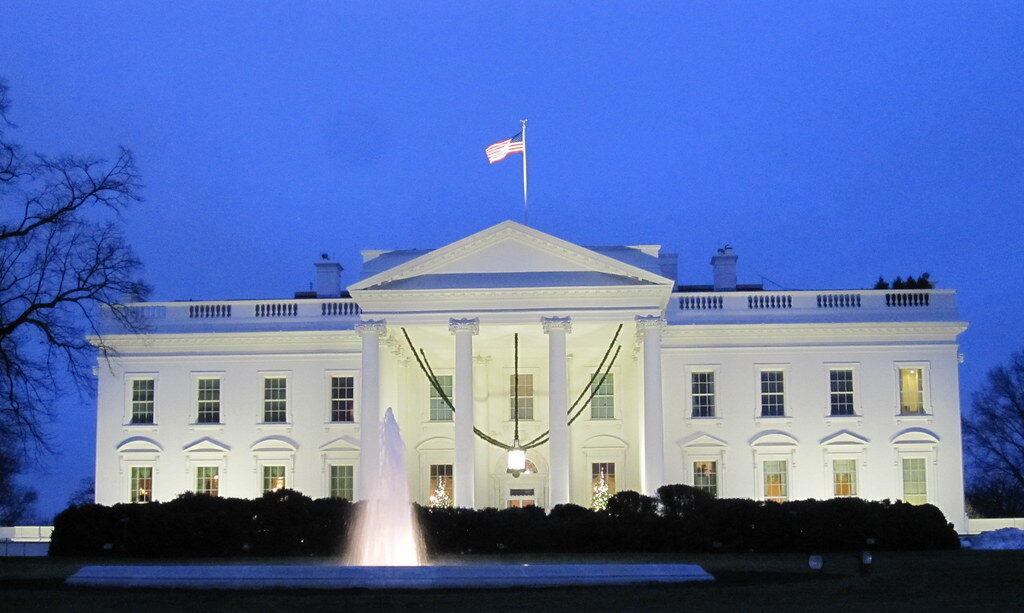
The plan to convert the East Wing into a grand event space has stirred wide debate. Originally set at $200 million, the White House ballroom now carries a $400 million price tag. Critics say this massive increase raises questions about oversight and transparency. Moreover, historical activists worry that other renovation plans could harm century-old buildings on the South Lawn.
Inside the White House Ballroom Price Hike
When the project was first announced, Trump stated that donors from big tech firms would cover the $200 million cost. However, in his latest Hanukkah address, he insisted the bill had doubled. At that event, he even boasted that the ballroom’s windows would be five inches thick. Trump quipped that it would take a Howitzer cannon to break them. Therefore, the growing cost seemed linked to these extra security features and high-end finishes.
Stephen Colbert Takes Aim
Late Show host Stephen Colbert has made the soaring White House ballroom bill a running joke. He clipped together every time Trump mentioned the project and raised the price. Colbert quipped, “How much is this price going to go up?” He then rolled another clip of a higher figure. The comedian pointed out the absurdity of paying half a billion dollars for a single room. Meanwhile, viewers laughed as Colbert questioned whether the ballroom would need bullet-proof chandeliers next.
Historic Concerns and Lawsuit
Beyond the ballroom, the president has proposed repainting the stone facade of the Eisenhower Executive Office Building. Greg Werkheiser, a lawyer for a historic preservation group, argues that paint traps moisture and cracks aged mortar. As a result, the building’s rock could weaken over time. His lawsuit claims that sweeping changes to this landmark violate preservation laws. Even so, art experts warn that the president might press ahead, since no agency can easily block the work once it starts.
Funding and Donor Transparency
Trump initially said major tech companies like Amazon, Microsoft, and Apple would foot the White House ballroom bill. Yet, details remain vague on exactly who pledged what. Critics worry that donors could gain undue influence or special access. In addition, they note that public dollars may end up covering part of the cost. Thus, the fundraising plan has provoked calls for clearer accounting and stronger ethics rules.
Security vs. Style
The president emphasized window thickness as a key security upgrade. He described the panes as so strong they would repel enemy fire. Yet experts say that security features often come with steep price tags. While safety is vital, some argue that simple designs could also meet protective needs at lower costs. Consequently, opponents of the White House ballroom project ask whether the extra millions truly add value.
Public Reaction and Political Impact
Opinion polls show many Americans uneasy about the ballooning price. Some see the expense as out of touch with everyday financial struggles. Meanwhile, Republicans supporting Trump praise his attention to safety and style. They argue that a grand ballroom enhances the prestige of the presidency. Therefore, the debate over the White House ballroom reflects larger divisions on spending priorities in Washington today.
What Comes Next for the Renovations
Construction crews have already started site prep around the East Wing. Yet the timeline for completing the grand ballroom remains unclear. Some officials say work could extend into next year. At the same time, the lawsuit over the Eisenhower Building may halt that part of the project. Consequently, stakeholders await court rulings to determine how and when renovations will proceed.
Lessons from Past Projects
This is not the first time a presidential renovation drew criticism. Previous administrations faced pushback over costly roof repairs and kitchen modernizations. However, the scale of the current ballroom upgrade seems unprecedented. Moreover, legal challenges over historic buildings add a new twist. Such hurdles show how preservation laws and public opinion can shape even the most high-profile jobs.
Balancing History and Modern Needs
Historic activists stress that the White House complex tells the story of American history. They argue that major alterations risk erasing key architectural features. Meanwhile, modern leaders insist on updated facilities and enhanced security. Therefore, finding a compromise between preservation and progress has become a central issue in this debate.
Final Thoughts
As the price of the White House ballroom climbs higher, the project remains under intense scrutiny. Legal fights over nearby historic structures add another layer of complexity. Ultimately, the future of these renovations will hinge on court decisions, funding clarity, and public support. Until then, talk show hosts like Stephen Colbert will have plenty of material to lampoon.
Will the ballroom really cost even more? Could this lawsuit stop other work on the South Lawn? Only time will tell how the White House navigates this clash between grandeur and history.
FAQs
What is the White House ballroom renovation project?
The renovation plan aims to convert the East Wing into a formal ballroom for official events. It includes thick security windows, high-end finishes, and donor-funded construction.
Why did the White House ballroom cost rise from $200 million to $400 million?
The president cited enhanced security features like five-inch-thick windows and design upgrades. However, critics say the numbers lack clear breakdowns and could keep rising.
Who filed the lawsuit against changes to the Eisenhower Building?
Historic preservation lawyer Greg Werkheiser leads the suit. He argues that repainting the stone facade will trap moisture and damage the building’s mortar over time.
How might these legal challenges affect future renovations?
Court rulings could halt or delay work on the Eisenhower Building. They may also set precedents for how presidents can alter historic White House structures.