


Key Takeaways:
- Several GOP lawmakers felt uneasy during the primetime address.
- They noted a fast pace and shouted delivery.
- Many worried Trump seemed out of touch with today’s struggles.
- The speech leaned on past grievances and blamed opponents.
Trump Address Sparks Concern Among GOP
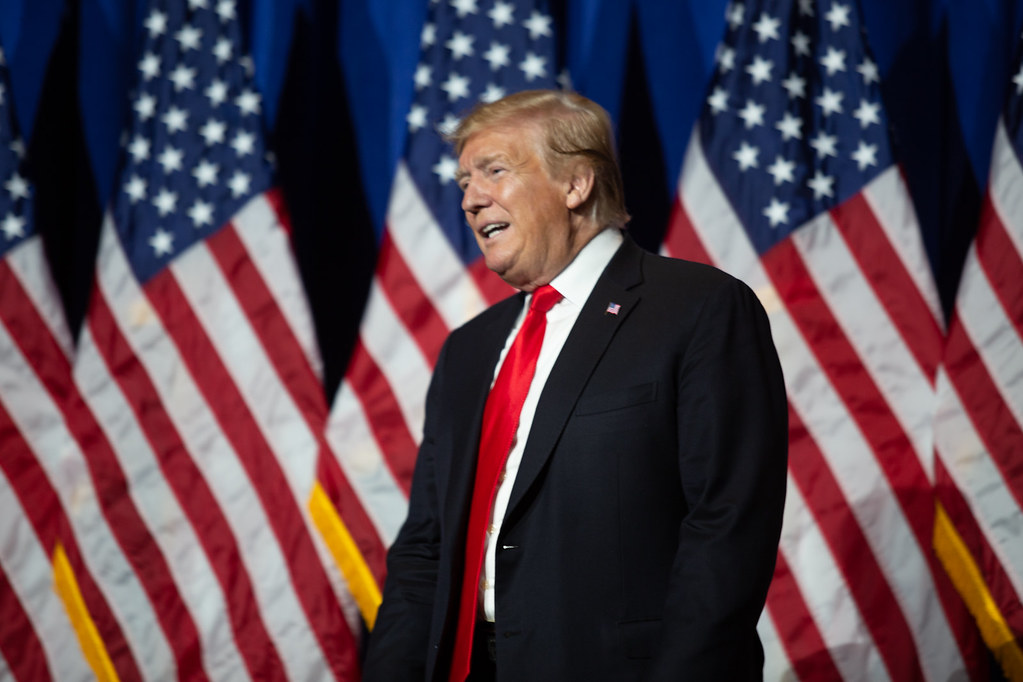
When President Trump delivered his primetime Trump address, many Republican lawmakers grew uneasy. Instead of a calm, clear speech, he raced through lines. Moreover, he shouted and pointed fingers at past leaders. As a result, insiders now worry he’s drifting away from voter concerns.
At the heart of this moment lies a teleprompter battle. Reporters said Trump “lost his grip” on the lines he meant to read. Even some allies agreed the speech felt unsteady. Consequently, doubts grew about his connection to everyday Americans.
Why the Trump Address Felt Off
First, the tone felt intense. Rather than calm reassurance, Trump used loud, urgent language. Next, he leaned heavily on blame. He focused on past mistakes and opponents instead of future plans. This approach left GOP lawmakers cringing. They wanted a forward-looking vision, not a replay of old quarrels.
Furthermore, Trump spoke quickly. He seemed to rush from one point to another without pause. Some aides worried viewers could not follow him. In fact, several insiders said he appeared frustrated by the teleprompter’s pace.
GOP Reaction to the Address
Inside the party, comments came fast. One lawmaker said they felt the speech “went off the rails.” Another admitted they grimaced as Trump leaned into grievances. They had hoped for policy details on jobs, health care, and the economy. Instead, they heard repeating critiques of his predecessor.
In private, aides scrambled to calm nerves. They said the media would spin the moment as a sign he was losing focus. Consequently, they began planning a follow-up event. That event would showcase clear plans, aiming to steer attention back to policy fixes.
What Went Wrong on Stage
Several factors led to the stumble. To start, the teleprompter seemed out of sync with Trump’s pace. He tried to speed up, but the machine couldn’t keep up. In turn, he barked at staff. This tension showed up on camera.
Next, the script itself felt heavy on blame. It replayed old talking points aimed at opponents rather than fresh ideas. Many viewers felt fatigued by the same grievances. They wanted solutions, not rehashing past fights.
Finally, the setting didn’t help. The room felt tense as soon as the speech began. Trump seemed eager to deliver, but that eagerness turned into a rush. As a result, he lost the calm bearing voters expect in a leader.
Impact on Voters
Today’s voters face real worries. They juggle bills, mortgages, and job worries. They want a leader who hears their struggle. Yet, the Trump address focused on past offenses, not today’s needs.
Moreover, polls show many Americans fret about the economy. High prices and job uncertainty weigh on minds. They want clear steps forward, such as tax relief or job programs. Without those details, they feel left behind.
Some Democrats seized the moment. They said the address proved Trump lives in the past. By blaming opponents instead of proposing policy, he shows he’s disconnected. This line of attack may stick, especially with swing voters who seek hope.
Meanwhile, within his own party, lawmakers worry the misstep could cost seats. They fear candidates might face tight races if the president seems out of touch. Therefore, many insist on a shift toward clear, upbeat messaging in coming weeks.
Lessons for Future Speeches
First, rehearsals matter. Leaders must sync with the teleprompter. If they fall behind, the speech will feel clumsy. Practicing pacing and tone can prevent stumbles.
Second, focus on solutions. Audiences crave answers to pressing problems. A balanced speech should mix past context with fresh plans. Otherwise, it risks sounding stale.
Third, match tone to moment. When stakes run high, calm confidence works better than anger. Voters often trust leaders who appear steady under pressure.
Fourth, listen to staff. If aides warn about stumbles, take the advice seriously. An open two-way dialogue can enhance every address.
Looking Ahead
In response, the White House team plans more user-friendly events. They aim for town halls and smaller meetings. These formats let Trump connect directly with voters. They also give him space to speak naturally, without heavy scripts.
Furthermore, advisers suggest adding more detailed policy talks. Trump could outline tax cuts, job incentives, and health care fixes. By highlighting wins and future steps, he can rebuild confidence.
Lastly, the party will likely work on unity. GOP lawmakers want to rally behind clear goals. They hope to present a cohesive front before the next big speech.
With these fixes, the next Trump address could regain lost ground. However, success will depend on preparation and empathy. Voters want to feel heard, not just reminded of old battles.
FAQs
What did GOP lawmakers say about the Trump address?
Many said they felt uneasy. They pointed out a rushed pace and a heavy focus on past grievances.
Why did the speech feel off?
The teleprompter lagged behind his pace. Also, the script leaned on blame instead of solutions.
Could this moment hurt the party?
Yes. Some worry voters will see the party as out of touch. That could affect close races.
How can future speeches improve?
Practice syncing with the teleprompter. Focus more on current problems and clear solutions. Stay calm and confident.