


Key takeaways:
- President Trump’s promises clash with the latest inflation report.
- Prices rose 2.7% over the past year; wages lag behind.
- Housing, medical care, electricity and food costs remain high.
- Tariffs and deportations add to business uncertainty.
- Faster inflation relief is crucial before the midterm elections.
Analyzing the Inflation Report Impact
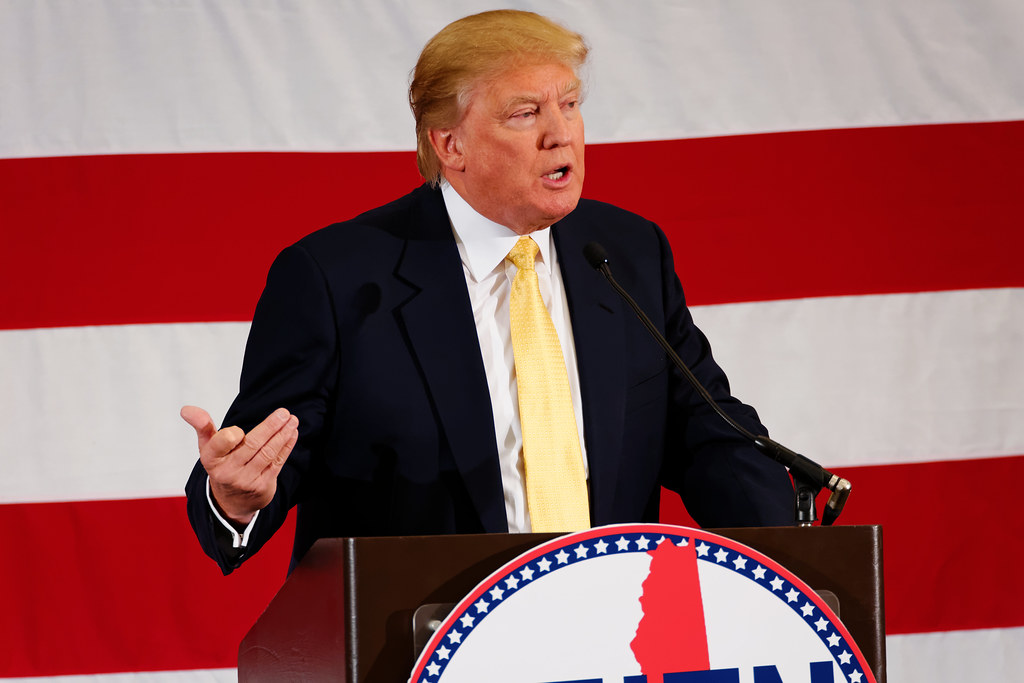
After President Trump’s spirited address, many hoped for better days. However, the recent inflation report from the Labor Department paints a different picture. While some prices eased, Americans still struggle to stretch their paychecks. Moreover, key Trump policies may be adding to the economic strain.
New Data Shows Mixed Results
The latest inflation report revealed a 2.7% rise in consumer prices over the past year. That figure marks a slowdown from last summer’s surge. For example, from September to November, prices rose just 0.2%. Thus, signs of easing inflation have emerged.
At the same time, everyday costs remain a burden. Electricity bills rose 6.9%, household items climbed 4.6%, medical care increased 3.3%, and food prices grew 2.6%. Consequently, many Americans feel they are no better off than before.
Paychecks Barely Keep Pace
Real average hourly earnings grew just 0.8% in the last year. Although that is still positive, it is down from 1.4% a year ago. Therefore, workers see only a small boost in take-home pay after accounting for inflation. For most families, those gains barely cover rising living costs.
Housing costs and rents did slow their climb. Additionally, airfares dropped 5.4% and hotel prices fell 5.7%. Egg prices even plunged 13.2%. Yet, these gains have not offset higher expenses for utilities, food, and medical bills.
Policy Choices Add Pressure
Beyond the numbers, the Journal’s editorial board criticized some Trump policies. For instance, hefty tariffs on imports have created uncertainty for businesses. As a result, companies face higher input costs and supply chain delays. Consequently, some firms have paused expansion plans.
Similarly, strict deportation rules have limited labor availability. Deporting airport service staff, hotel workers, and farm laborers hurts businesses’ ability to hire. Thus, projects like new homes, factories, pipelines, and power plants are harder to build. In turn, that slows job growth and economic progress.
Link to Voter Sentiment
With midterm elections approaching, inflation remains a top concern for voters. The editorial warned that Republicans must show faster progress. Otherwise, many Americans may blame the party in power.
President Trump is betting that his tax cuts will ease burdens on households. Meanwhile, critics argue that lower taxes alone will not offset rising costs. Ultimately, only a clear drop in inflation will make voters feel better.
What Comes Next?
To regain confidence, inflation must fall further and faster. Central bank actions can help by managing interest rates. Additionally, policymakers could ease tariffs and adjust immigration rules. In turn, these moves would lower business costs and boost worker pay.
Therefore, Americans might see real wage gains once inflation subsides. When that happens, families can enjoy more spending power. Until then, every promise of a “golden age” may ring hollow.
Key Areas to Watch
Slow‐growing sectors: Despite improvements in travel and food prices, key household costs remain stubborn.
Labor market: Paychecks need to outpace rising expenses to restore public trust.
Trade policy: Tariff cuts can reduce business uncertainty and lower consumer prices.
Immigration rules: More workers can ease labor shortages and help build new infrastructure.
Monetary policy: Interest rate decisions will shape inflation’s path in the coming months.
Bridging the Gap Between Promises and Reality
America’s economy shows both relief and strain. On one hand, the inflation report signals lower consumer price growth. On the other, many families still face steep costs. Moreover, policy choices may be making things tougher for businesses and workers.
President Trump must address these challenges if he wants voters to feel better. Otherwise, his pledge of “happier times” may fall flat. In contrast, tangible improvements in inflation would offer real hope. Only then will Americans believe the golden age is within reach.
Frequently Asked Questions
How much did consumer prices rise in the latest report?
Over the past year, consumer prices increased by 2.7%.
Which costs are still rising faster than wages?
Electricity, household items, medical care, and food prices outpace wage growth.
Why do tariffs affect everyday prices?
Tariffs raise import costs, which businesses pass on to consumers.
Can tax cuts alone lower inflation?
Not usually. Lower taxes help take-home pay, but they do not directly reduce prices.
What policies could speed up inflation relief?
Easing tariffs, adjusting immigration rules, and careful interest rate decisions can help.