


Key Takeaways
• Trump’s pardon choices fueled a sudden rise in pardon lobbying.
• Critics say clemency turned into a pay-for-play scheme.
• A conservative Supreme Court widened executive pardon power.
• This trend may weaken respect for the rule of law.
How Pardon Lobbying Soared Under Trump
Since taking office again, the former president used his pardon power in sweeping ways. On day one, he granted clemency to over fifteen hundred people tied to the Capitol riot. Then he pardoned a major drug trafficker despite his “war on drugs” stance. He even freed a crypto billionaire who had enriched his family by up to a billion dollars. As these high-profile moves grabbed headlines, a new industry emerged: pardon lobbying.
At first, teams of lawyers sought pardons for deserving clients. However, as Trump’s clemency choices grew more political, they shifted tactics. Today, some attorneys pitch pardons like paid favors. They promise access and influence in exchange for big fees. This change turned a mercy power into a commercial hot spot.
Turning a Safeguard into a Transaction
The Constitution grants the president the power to pardon under Article II. Founders saw it as a rare chance to show mercy. Yet critics argue that under this president, clemency now feels like a marketable commodity. Law professor Kim Wehl observed that what began as a safeguard of mercy has become “a tawdry instrument of corruption and grift.”
Moreover, she points out that loyalty, wealth, and ties to power now determine who wins a pardon. In other words, merit and justice took a back seat. Instead, shameless deal-making steals the spotlight.
Why Pardon Lobbying Became a Grift
Pardon lobbying took off because of a simple formula: high demand plus loose rules. First, Trump’s high-profile pardons created hope among those facing serious charges. Next, the lack of clear guidelines on pardons let lobbyists promise more than they could deliver. Finally, a friendly Supreme Court removed many barriers to executive power.
Combined, these factors let attorneys sell influence. Some advertise their close ties to the president. Others charge six-figure fees to prepare pardon packets. As a result, pardon lobbying boomed from coast to coast.
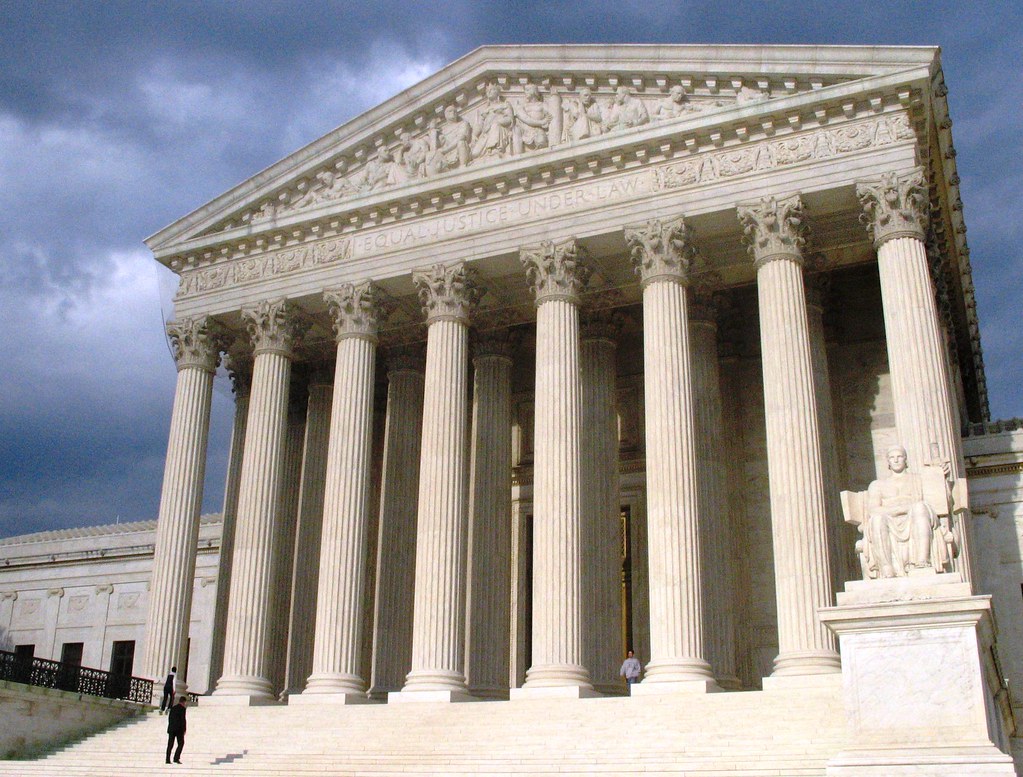
Supreme Court Shifts and Executive Power
Since 2017, the Supreme Court leaned conservative. Those justices have interpreted presidential powers broadly. Consequently, Congress and courts struggle to check pardon abuse. For example, lower courts now hesitate to review clemency decisions. Thus, the president faces little risk when offering controversial pardons.
Furthermore, Congress itself looked largely silent. Members on both sides feared political backlash. Therefore, no real reform steps took shape. In turn, pardon lobbying thrived in a vacuum of oversight.
Real Cases That Fuelled the Boom
Several high-profile pardons showed the system’s new reality. A convicted drug lord walked free. A political activist received clemency. And a tech entrepreneur escaped prison for fraud. Each case added a fresh wave of clients seeking mercy.
Some lobbyists even set up call centers to field pardon requests. They offered tiered packages with added perks. For instance, “fast-track review” or “personal introductions” to Trump allies. Clients paid tens or hundreds of thousands of dollars. Sadly, many never got their pardons. Yet the fees kept rolling in.
What This Trend Means for Democracy
When clemency becomes a business, trust erodes. Citizens lose faith in fair treatment under the law. They see officials selling favors instead of ensuring justice. Over time, this trend risks turning the presidency into a personal ATM.
Moreover, it sends a dangerous message: compliance with laws is optional. Powerful people can simply buy their freedom. Meanwhile, ordinary citizens face harsh penalties. This imbalance undermines the idea that no one is above the law.
Looking Ahead: Can Pardon Lobbying Be Reined In?
Reform advocates call for clearer guidelines on pardons. They suggest requiring public reports on all clemency requests. Others propose campaign finance rules to limit how lobbyists can advertise pardon services. Yet passing such changes faces steep hurdles.
First, presidents guard their pardon power jealously. Second, Congress must agree on new limits. Finally, courts may side with the executive if challenges arise. Unless these obstacles fall, pardon lobbying will likely keep growing.
In the end, a healthy system relies on balance. Mercy must be genuine and based on justice. Otherwise, it risks becoming a tool for the wealthy and well-connected. Will future leaders restore clemency’s true purpose? Only time will tell.
Frequently Asked Questions
What is pardon lobbying?
Pardon lobbying refers to the practice of hiring lawyers or advisers to secure a presidential pardon. It often involves fees and promises of access or influence.
How did pardon lobbying grow under Trump?
Trump’s extensive use of pardons sparked high demand. Combined with a friendly Supreme Court and weak oversight, this demand created a booming pardon lobbying market.
Can Congress limit presidential pardons?
While Article II grants broad pardon power, Congress could pass laws to require reporting on all clemency requests. However, enforcing such rules may face legal challenges.
Does pardon lobbying affect everyday citizens?
Yes. When pardons become a commodity, ordinary people may lose faith in equal justice. The system risks favoring the wealthy and well-connected.