

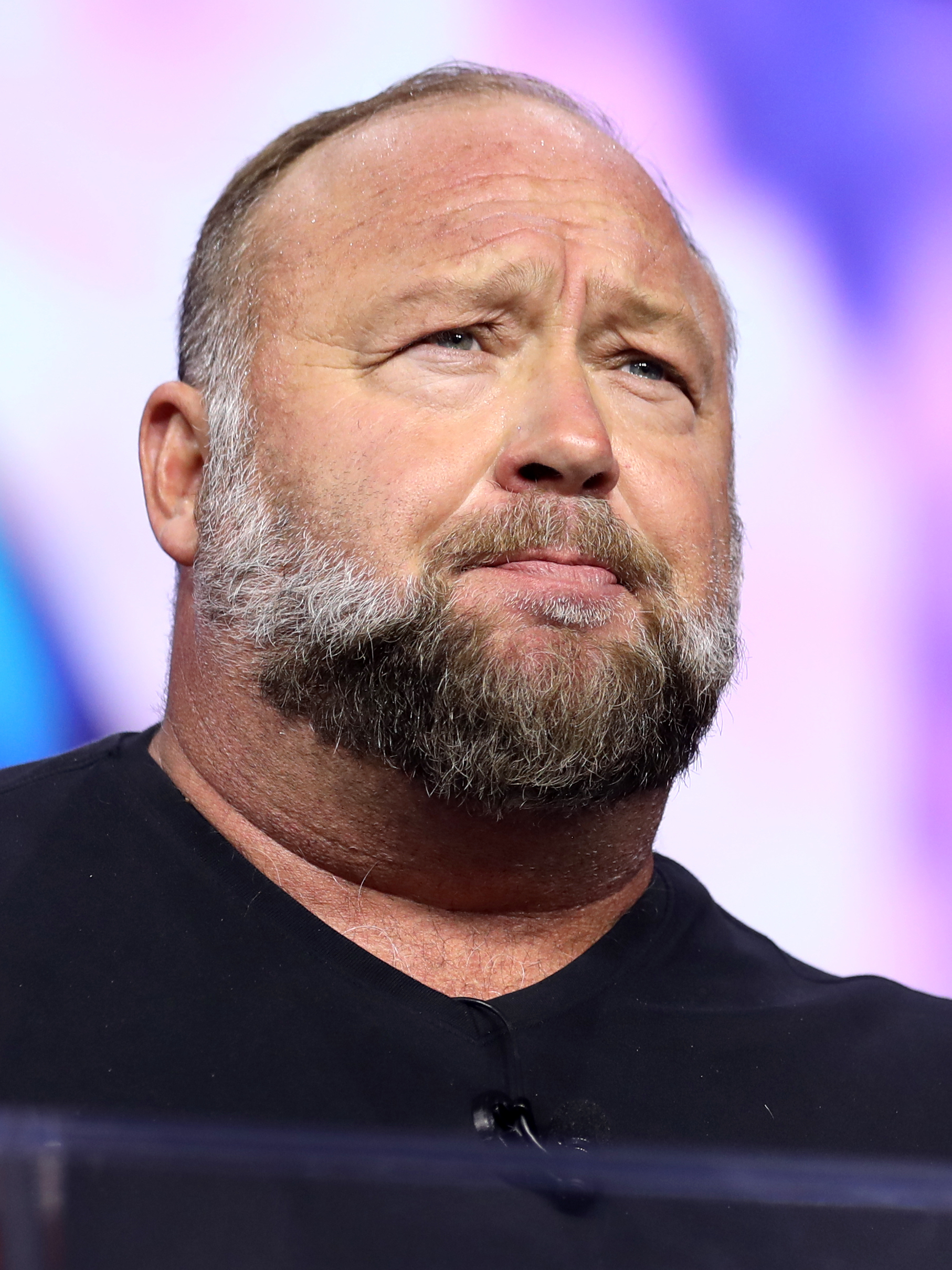

Key Takeaways:
- Alex Jones says he now advises the White House on election rigging.
- He claims his ideas appear in speeches and official actions.
- Patrick Byrne believes Trump finally understands the election rigging issues.
- Jones blames Deputy Attorney General Todd Blanche for blocking the task force.
Jones’s Bold Claims on Election Rigging
Conspiracy theorist Alex Jones insists he counsels top leaders on the topic of election rigging. During a live broadcast, he told viewers he speaks directly with White House staff. Moreover, he says Vice President JD Vance listens closely to his advice. Jones adds that he sees his ideas in recent speeches and policies. Therefore, he believes his voice now shapes key decisions.
First, Jones interrupted fellow guest Patrick Byrne to stress his role. He said, “I’m literally giving the White House advice, and I see almost all of it put into speeches and action.” He stopped further details, claiming the “bad guys” already know enough. However, he insisted that this inside influence marks a new phase in his work.
Byrne Sees Clarity on Election Rigging
Meanwhile, Patrick Byrne, a fringe conservative insider, told Jones that President Trump now grasps the scale of alleged election rigging. Byrne said a “fog has lifted” for Trump. He argued that Trump has finally seen through confusing reports and false leads. As a result, Byrne believes the president understands who told him the real story about the 2020 results.
Byrne explained, “My understanding is Trump has reached the point where there’s no more mystery for him.” He added that Trump now feels the weight of every detail on election rigging. Byrne praised those who kept pressing the issue. He said their persistence led Trump to the truth.
Inside Fight Over Task Force
Alex Jones also leveled harsh criticism at Deputy Attorney General Todd Blanche. According to Jones, Blanche has sabotaged Trump’s Election Integrity Task Force from the inside. He claimed Blanche quietly blocked key orders and stymied investigations. “That’s Todd Blanche. He blocks it,” Jones said. “That’s how they do it.”
Byrne echoed that claim. He described the task force’s work as “wading through a swamp.” Byrne argued that internal resistance slows down every effort to examine election rigging. He suggested this resistance comes from officials who fear the task force’s findings. As a result, the team must fight old allies as well as outside critics.
What This Could Mean
If Alex Jones truly advises the White House, his influence could reshape public messaging. His supporters say this may push the administration to focus more on alleged fraud claims. By contrast, critics worry that fringe voices may spread baseless theories. They fear such theories could deepen political divisions.
Moreover, Patrick Byrne’s comments imply Trump might prioritize election rigging as a key issue. If the president sees no mystery left, he could demand more investigations or even new legislation. However, strong internal opposition could stall any real action. Deputy Attorney General Blanche may continue to block or slow down task force orders.
Also, this public discussion highlights a growing trend. Political figures now face pressure from unconventional advisers. Conspiracy theorists like Jones want to shape official policy. As a result, the line between fringe media and government appears blurrier than ever.
Key Questions Raised
Why would the White House listen to a known conspiracy theorist?
Jones draws a large online audience and wields influence over a vocal base. Therefore, some staff may value his feedback to sway those viewers.
Can Jones’s claims be verified?
So far, no official statements confirm his advisory role. Consequently, his assertions remain unverified.
Will the task force overcome internal resistance?
That depends on leadership will and public pressure. If enough lawmakers demand action on election rigging, Blanche’s influence may wane.
Will more insiders speak out?
Possibly. Byrne’s appearance suggests other fringe insiders might share their views soon. This could spark further debates.
Impacts on the Broader Debate
First, these developments keep election rigging in the national spotlight. They may force more public hearings and media coverage. Second, this trend may encourage other officials to claim inside roles. That could blur facts and conspiracy even more.
Finally, voters may grow tired of endless claims and counterclaims. However, some will embrace these arguments as proof of hidden truths. Meanwhile, uncertainty about election integrity could affect future campaigns.
Conclusion
Alex Jones’s bold claim that he advises the White House on election rigging has stirred fresh controversy. Alongside Patrick Byrne’s assertion that Trump now understands past fraud claims, these statements challenge how voters view the 2020 election. Internal fights, led by figures like Todd Blanche, highlight the complexity of any real investigation. As this story evolves, keeping an eye on official responses and policy changes will be essential.
Frequently Asked Questions
What exactly does Alex Jones claim he advises on?
He insists he gives strategic advice on alleged election rigging. He says his points appear in speeches and official actions.
Has the White House confirmed Jones’s role?
No. There has been no official confirmation. Jones’s statements remain unverified.
Who is Todd Blanche and why does Jones blame him?
Todd Blanche serves as Deputy Attorney General. Jones claims Blanche blocks the Election Integrity Task Force’s orders from inside.
Could these claims impact future elections?
Possibly. If the administration acts on these theories, it could shape election laws and public trust. Audience reaction may also influence political messaging.