

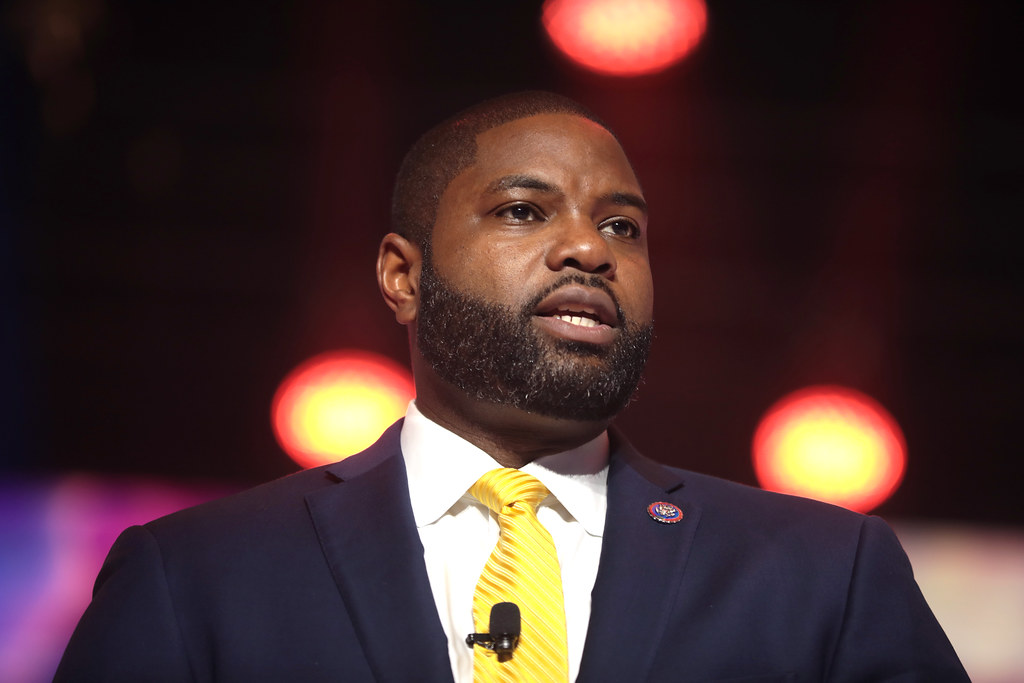

Key Takeaways:
- Byron Donalds said he “protected” Florida from red light cameras, then deleted the claim.
- He voted for a Florida ban on red light cameras in 2018, but that law never passed.
- After critics pointed out his error, he changed his post to say he simply opposes red light cameras.
- His campaign also faces racist attacks from primary rival James Fishback.
- Safety experts say red light cameras cut fatal crashes, while some libertarians call them a rights threat.
Red Light Cameras Claim by Byron Donalds
A recent social media post from GOP Rep. Byron Donalds stirred a heated discussion about red light cameras in Florida. On X, he proudly declared, “Not in my Florida! I protected Florida from red light cameras, and as Governor, I’ll ground these drones.” Donalds reacted to a Wall Street Journal story on police drones used for traffic stops in communities like Sunny Isles Beach.
However, critics quickly pointed out that Donalds had no such victory. He did vote for a 2018 bill that aimed to ban red light cameras statewide. Yet the proposal never passed into law. Therefore, he did not actually “protect” Florida from those cameras. When commenters called out the mistake, Donalds deleted his original post. Then he replaced it with a simpler line: “I oppose red light cameras.”
Why Red Light Cameras Matter in Florida
Red light cameras monitor when drivers run a red signal. Then they take photos and can send tickets automatically. Safety advocates praise these cameras because they often cut down deadly crashes at intersections. One study found they reduce fatal wrecks by nearly 25 percent. Meanwhile, drivers who speed or run red lights face fewer opportunities to cause harm.
On the other hand, some libertarian groups label red light cameras as a threat to personal freedom. They argue automated tickets amount to surveillance and unwanted fines. As a result, debates over these devices often split voters. Even so, many traffic experts insist that public safety benefits outweigh privacy concerns.
What Donalds Said and Did
Donalds’s original X post suggested he had already wiped out red light cameras in Florida. Yet he only ever backed a ban that stalled in committee. In fact, red light cameras still operate in dozens of Florida cities and counties today. After Donalds deleted his claim, he released a new message. This time he wrote simply, “I oppose red light cameras.” He did not mention his earlier vote.
Moreover, Donalds said he would ground drone enforcement if elected governor. Drones are now testing programs in some towns to catch speeders and reckless drivers. While he pledged to stop those devices, he offered no timeline or plan. Critics argued that his flip-flop on red light cameras raises questions about his record and honesty.
The Governor Race Turns Ugly
Meanwhile, the GOP primary for governor has grown quite nasty. Donalds faces hedge fund manager James Fishback as one of his main rivals. Fishback sparked outrage when he compared Donalds’s campaign fundraising events to a slave auction. Then he claimed Donalds’s ancestors came from Belize, Panama, and Jamaica, so they were not enslaved in the United States. That statement ignored the fact that each of those countries once practiced slavery.
In response, civil rights groups and many voters condemned Fishback’s remarks as racist and ahistorical. They said his attack added a toxic edge to what had been a policy-driven race. Thus, both leading candidates now face scrutiny for their words. At the same time, key issues like traffic safety and civil rights shape voter perceptions.
The Broader Debate on Traffic Enforcement
Beyond Florida, cities nationwide have shifted to automated traffic enforcement. Many argue that technology can act where police resources are scarce. For instance, radar cameras now catch speeding near schools. City officials say these tools help protect kids and pedestrians without requiring more officers on patrol.
Still, opponents say automation lacks human judgment. They worry about unfair tickets and errors in the system. Some claim that cameras choose revenue over safety. Consequently, states and local governments continue to fight over whether to install or remove these devices. Florida’s debate mirrors that national conversation.
What Voters Should Know
As the Florida race moves forward, voters should watch how each candidate addresses both policy facts and public safety. First, check if candidates back evidence-based measures to cut crashes. Red light cameras remain a proven tool, even if they spark privacy concerns. Second, examine each candidate’s track record. A vote for a bill that failed does not equal a law that passed.
Moreover, observe how campaigns handle criticism and correct mistakes. Donalds deleted and rephrased his claim under pressure, which raises questions about transparency. Meanwhile, Fishback’s remarks on slavery history may alienate voters who care about respectful debate. In the end, Florida voters must weigh both character and policy positions carefully.
In short, red light cameras play a key role in modern traffic safety. Yet they also test the balance between public good and personal freedom. As Florida voters decide on a new governor, expect that debate to stay front and center.
Frequently Asked Questions
Why did Byron Donalds claim he protected Florida from red light cameras?
He referenced a 2018 vote he supported to ban red light cameras, but the bill never became law.
What is the evidence for red light cameras reducing crashes?
Studies show red light cameras can cut fatal intersection crashes by up to 25 percent.
Are there privacy concerns with automated traffic enforcement?
Yes, some argue that cameras and drones violate civil liberties and collect too much data.
How have Donalds and Fishback clashed during the governor’s race?
Donalds removed a false claim about traffic cameras, while Fishback made controversial comments about Black history.