


Key takeaways:
- JD Vance backed a daring mission to seize Venezuela’s leader and praised it as a win against drug trafficking.
- Critics quickly highlighted his past warnings against nation-building and foreign meddling in other countries.
- Observers say the new stance raises fresh questions about JD Vance hypocrisy in his foreign-policy views.
- Legal experts argue the strike may breach constitutional rules that require Congress’s approval for such actions.
- The debate over Vance’s flip-flop could shape how voters see his consistency and credibility.
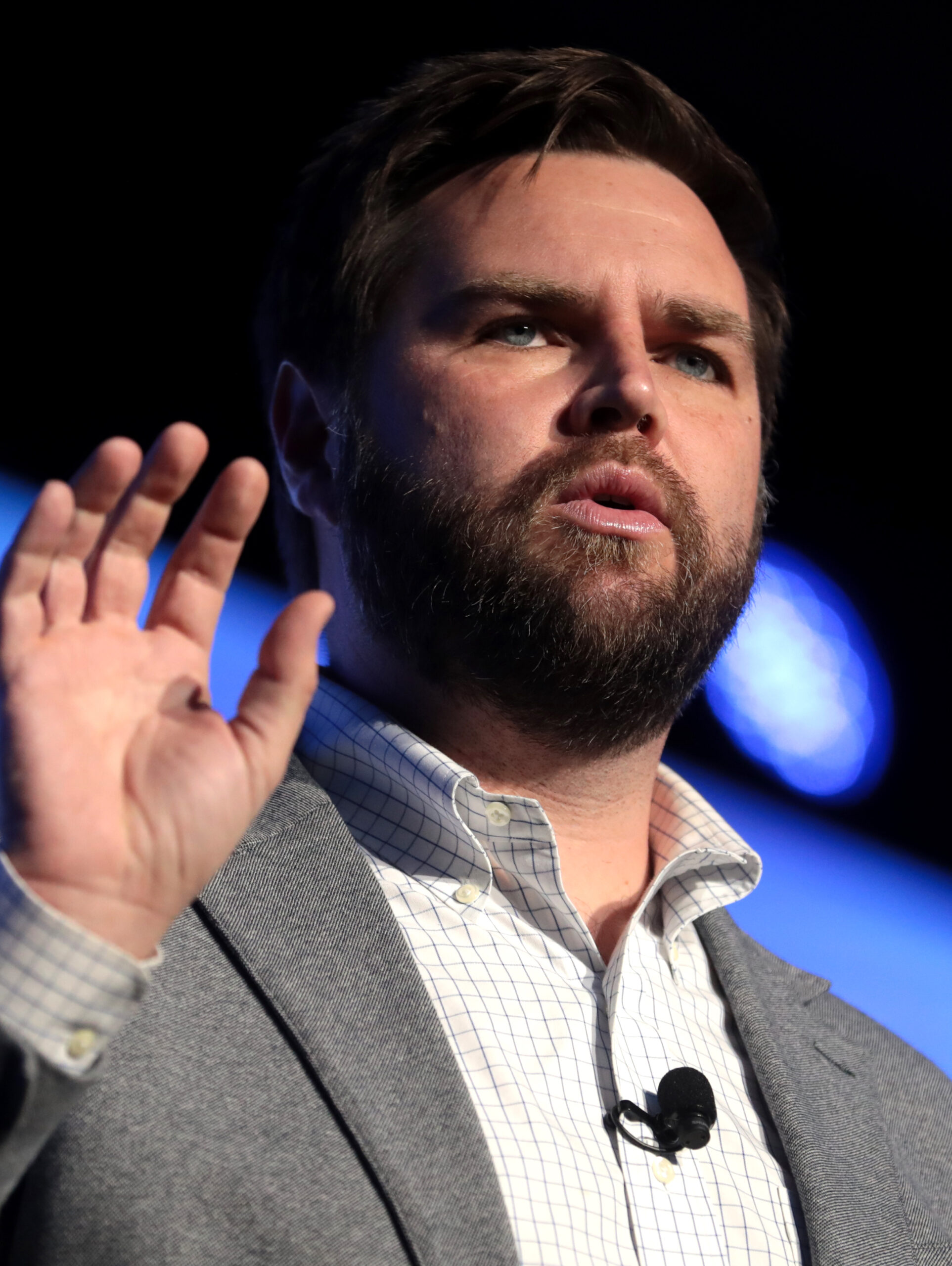
JD Vance hypocrisy charges came fast after he cheered the U.S. capture of Venezuela’s president and first lady. In a social media post, he praised the special operators, called the move “truly impressive,” and said drug trafficking must end. He even warned critics that indictments in the U.S. justify the mission.
However, that praise jarred with remarks he made just months ago. Back then, he accused his own party of playing world police. He warned against nation-building and urged the president to avoid foreign conflicts. Now, many wonder if Vance’s core beliefs have shifted or if he simply echoes the administration’s line.
Background of the Mission
Last weekend, the president announced a secret operation in Venezuela. Special forces air-dropped onto the ground, captured the country’s leader and his wife, and flew them out. The move aimed to stop drug shipments and recover stolen oil profits.
At first glance, the mission drew cheers. Supporters said it struck at the heart of transnational drug rings. They also noted that U.S. courts had charged the Venezuelan president for narcoterrorism. Against that backdrop, Vance’s reaction fit a hard-line approach.
Meanwhile, opponents slammed the mission as unlawful. They pointed out that the U.S. government lacks clear approval from Congress. Without such a vote, a strike on a sovereign state to seize officials could violate the Constitution. As a result, a fierce debate took off online.
Why JD Vance Hypocrisy Matters Now
Many believe that a politician’s consistency reveals what they truly stand for. In Vance’s case, critics say his earlier statements clash with his recent praise. They see this as a prime example of JD Vance hypocrisy.
First, Vance once said foreign entanglements drain resources and risk American lives. He warned that ordinary citizens, not political elites, pay the cost in any war. Now he applauds a risky overseas raid that could spark wider conflict. Second, he stressed that the U.S. should not force regime change. Suddenly, he supports a mission labeled by some as exactly that.
Therefore, voters may wonder if Vance holds any fixed principle on foreign policy. Or if his views simply match whoever leads the party at the moment. This feeling of inconsistency can erode trust. After all, people want leaders who stand by their plans and promises.
Voices Highlighting JD Vance Hypocrisy
Critics from both sides quickly seized on Vance’s shift. An anti-intervention commentator noted, “Seven months ago, the senator warned against meddling. Now he praises it as a model.” Another legal scholar reminded followers that only Congress can greenlight an invasion.
A former adviser to the previous administration added fuel by asking if Vance knows what he really believes. Observers also pointed to a tweet where he said, “We want peace, right? But someone has to fight these wars.” Many found it odd that this view vanished once the president ordered the strike.
Meanwhile, pundits on social media contrasted his past calls for restraint with his new zeal for a dangerous mission. They called out the senator for backing a policy he once said would harm hometown families. In short, they argued that this case perfectly illustrates JD Vance hypocrisy.
Legal Concerns Over the Venezuela Operation
Constitutional experts stressed that any attack on another nation needs congressional approval. Without it, the president gains unchecked power to start wars. Such authority could let any chief executive invade abroad simply to enforce U.S. indictments.
Thus, critics accuse the administration of sidestepping the law. They claim that even if the target holds a U.S. indictment, the mission still required formal backing. This line of reasoning bolsters the argument that Vance’s praise supports an illegal act. It also shows that his view now contradicts earlier warnings about unchecked presidential power.
How Vance’s Reputation Could Shift
Politicians live and die by public opinion. When a leader shifts positions, voters notice. In Vance’s case, his prior anti-war comments won praise from moderates and peace advocates. Now, his new approval could cost him those allies.
On the other hand, hard-line supporters may welcome his strong stance. They see decisive action as proof of resolve. Yet, even some of those voters value consistent principles. They might ask if Vance will support the next overseas action or reverse again when criticism mounts.
Therefore, the ongoing debate over JD Vance hypocrisy may shape his future image. If people view him as flexible and pragmatic, it could help him in a shifting political climate. But if they see him as a flip-flopper who follows political winds, it could harm his credibility.
Lessons for Voters and Politicians
This episode highlights the tension between principle and party loyalty. Politicians often face the choice of sticking to their past views or rallying behind their party’s current agenda. For voters, watching these turns offers insight into what each leader truly values.
Moreover, the debate underscores the need for clear rules on military action. It raises the question of how much power a single person should hold over war and peace. Finally, it reminds us that social media posts can rapidly expose inconsistencies. In the digital age, every remark may influence a politician’s reputation nationwide.
Looking Ahead
As the dust settles, this episode will likely become a case study in political consistency. Observers will track Vance’s next moves. Will he address the backlash and defend his change? Or will he pivot again to soothe critics?
Meanwhile, legislators may push for sharper rules on foreign operations. They might demand more debate and votes before any strike. If successful, this could limit future missions like the one in Venezuela.
In any case, the debate over JD Vance hypocrisy will remain a talking point. It shows how quickly the political landscape can shift. It also proves that today’s statements will face tomorrow’s fact-checks. And in the end, voters will judge whether a leader stands by his words.
Frequently asked questions
What did JD Vance say about the Venezuela mission?
He praised the operation as a success in fighting drug trafficking and recovering stolen assets. He also noted that the Venezuelan leader faced U.S. indictments.
Why do critics call this JD Vance hypocrisy?
They recall his previous warnings against foreign intervention and nation-building. They say his new support clashes with his earlier views.
Is the mission in Venezuela legal under U.S. law?
Legal experts argue it required congressional approval. Without it, such an action may breach constitutional limits on presidential war powers.
How might this debate affect JD Vance’s political future?
It could alter voter trust in his consistency. While some may see him as decisive, others may view him as a flip-flopper.