


Key takeaways
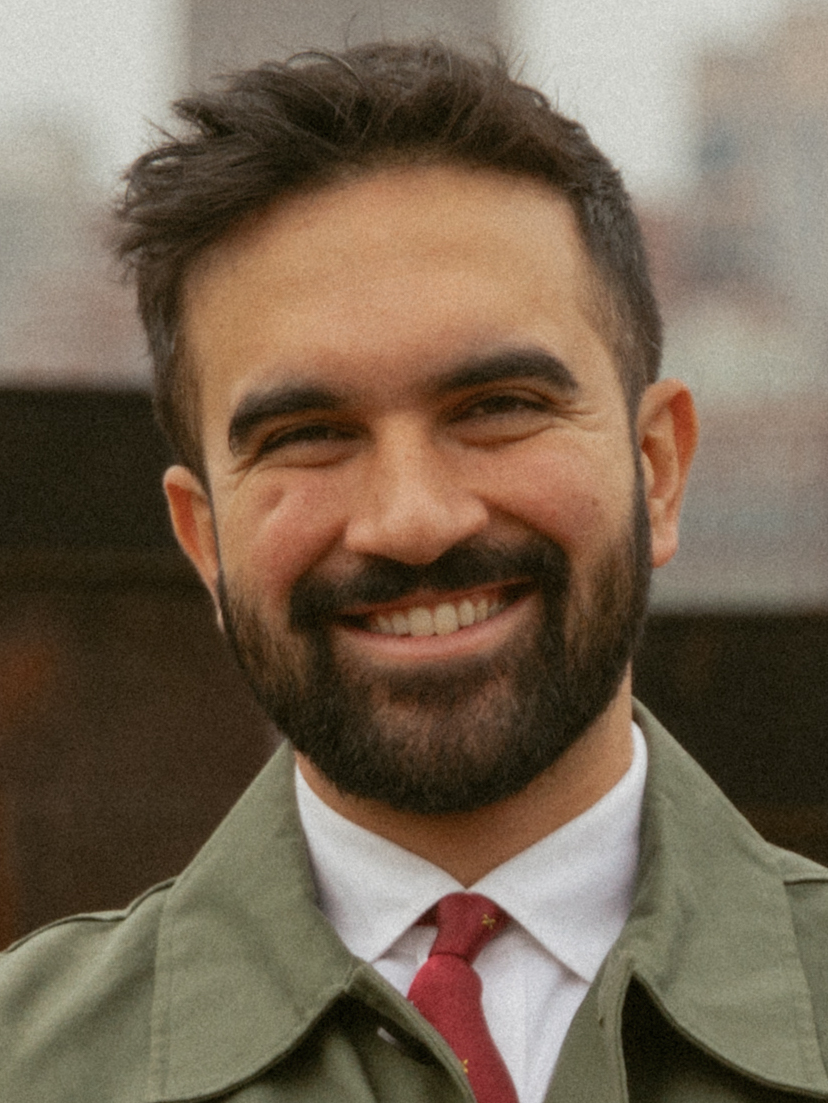
- Zohran Mamdani becomes New York’s first Muslim mayor.
- His win reflects centuries of hidden Muslim contributions.
- Enslaved Muslims kept their faith alive despite brutal suppression.
- Muslim soldiers served in the Union Army during the Civil War.
- Muhammad Ali showed America that Islam is part of its story.
Muslim mayor builds on centuries of hidden contributions
A debate from America’s founding
In 1788, some feared our new nation would let a Muslim govern. That worry came when North Carolina ratified the Constitution. Opponents warned that without a religious test, “Mahometans may take it.” Back then, there were no Muslim candidates. Yet many enslaved Africans practiced Islam in secret.
Hidden faith in early America
Between 5 and 20 percent of enslaved Africans in the colonies were Muslim. Many spoke Arabic and carried names like Fatima or Hassan. Their owners silenced prayers and cut their beards. However, memory held on. They passed prayers and words by whisper and song. Thus, Islam survived where few looked.
Muslim soldiers and the Civil War
During the Civil War, Muslim men fought for the Union. Mohammed Kahn joined a New York infantry unit. Nicholas Said, born Mohammed Ali ben Said, first fought for freedom in Nigeria. Later he served as a Union sergeant. Captain Moses Osman led troops in Illinois. Their names hint at a wider Muslim presence in blue coats.
Moreover, Islam shaped moral debates. Senator Charles Sumner, nearly beaten on the Senate floor, quoted the Quran to condemn slavery. Overseas, a Tunisian leader urged America to end slavery “in the name of humanity.” Thus, Islam’s call for justice entered global conversations about rights.
Muhammad Ali’s lasting impact
In the 20th century, Muhammad Ali made Islam visible to all Americans. He refused his birth name and chose Muhammad Ali. That act forced the nation to face its past and the power of names. He spoke openly of his faith and faced backlash for his antiwar stance. Yet his courage pushed the civil rights and antiwar movements forward.
Ali’s fights took place in Kinshasa, Manila, and Kuala Lumpur. They drew global attention to issues beyond sport. He also fed millions in Jakarta, Liberia, and Morocco. At home, he visited hospitals and schools to teach tolerance. Therefore, Ali showed America that Islam supports life, freedom, and helping the poor.
Zohran Mamdani’s historic day
On a cold January afternoon, Zohran Mamdani took the oath as New York’s mayor. He stood before City Hall, one hand up, the other on two books—his Quran and his mother’s family Bible. Roughly 4,000 people cheered his 25-minute speech. Yet he also swore in privately at the Old City Hall subway station just after midnight.
His victory traces a path from slavery to abolition, from the Civil War to civil rights. Born in Uganda to South Asian parents, Mamdani grew up in New York. He first became a U.S. citizen on Pearl Street. In his speech, he thanked “Mama and Baba” and his family from Kampala to Delhi.
He declared, “New York belongs to all who live in it.” Then he listed mosques, churches, temples, synagogues, and mandirs. He spoke of halal cart vendors, Black homeowners, and immigrant families. By doing so, he made visible what history had long kept hidden.
Challenges ahead for the new leader
Despite the excitement, challenges await our new Muslim mayor. As a human being, he will make mistakes. Critics and opponents will test his plans on housing, labor, and affordability. Yet his ideals echo those of earlier champions of justice.
Mamdani embraces democratic socialism and honors past mayors like La Guardia and Dinkins. His agenda builds on New Deal ideas and civil rights values. He urges collective action for a fair city. In this way, he situates himself in a long American tradition of caring for all.
Looking ahead, he faces hard choices on budgets, policing, and education. However, his core message remains inclusion. He reminded citizens that a Muslim kid can grow up eating bagels and lox on the same block. That hybridity is not an exception. It is our inheritance.
The ongoing journey
The inauguration of our first Muslim mayor did not happen overnight. It stands on the struggles of nameless Muslims in chains. It rests on voices that spoke against slavery. It honors fighters in blue, the moral witness of Muhammad Ali, and years of civic work.
Now, Islam is no longer a theory in this nation. It is lived. It is part of our civic fabric. America is not defined by a single faith or skin color. It belongs to all who share its principles. As Mamdani said, “New York follows the promise set by our founders.” His story reminds us that progress demands struggle—and that struggle brings us closer to our ideals.
FAQs
What makes Zohran Mamdani’s win historic?
His election marks the first time a Muslim leads New York. It shows long-fought progress for religious inclusion in American politics.
How did early Muslims influence America?
Enslaved Muslims preserved their faith in secret. Union soldiers with names like Ali and Hassan fought for freedom during the Civil War.
Why is Muhammad Ali important to this story?
Ali insisted on his Muslim identity. His global fame and humanitarian work helped Americans see Islam as part of their own story.
What challenges does the new mayor face?
He must tackle housing costs, public safety, and education. He also needs to unite a diverse city under shared ideals.