


Key takeaways
• JD Vance argued the U.S. struck Venezuela to stop fentanyl and other drugs.
• He admitted cocaine trafficking was also a concern.
• Critics say this was never about drugs but about oil and power.
• Observers warn this approach echoes old global power plays.
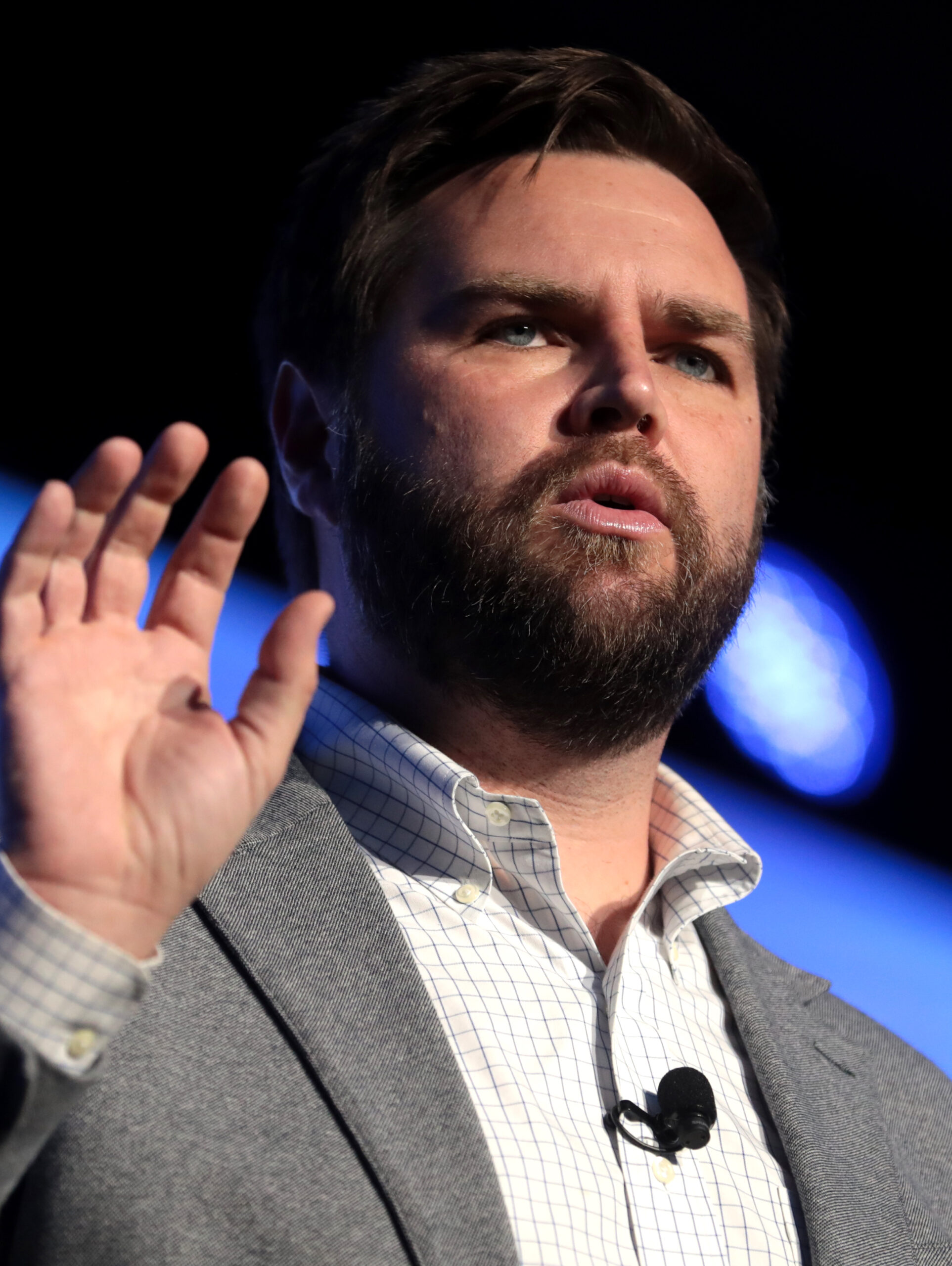
JD Vance took to social media to explain why the U.S. attacked Venezuela. He claimed the mission was to stop fentanyl, even though most fentanyl does not come from there. Then he added that cocaine is also dangerous. In simple terms, he said, “Fentanyl isn’t the only drug, and we still saw some fentanyl in Venezuela. Plus, cocaine is bad too.”
However, that answer confused many people. First, experts say only tiny amounts of fentanyl ever came from Venezuela. Second, calling out cocaine made it sound like a last-minute fix. As a result, critics quickly pounced on his remarks. They argued this story didn’t match real drug routes. More importantly, they insisted the strike had other motives.
Were Venezuela’s Drugs Really the Issue?
At first glance, Vance’s words suggest a straightforward mission against drugs. Yet no major reports point to Venezuela as a top source of fentanyl in the United States. Actually, most fentanyl comes from labs in other countries. Meanwhile, cocaine does leave Venezuela, but that trade was already a target in past enforcement efforts.
Moreover, Jennifer Jenkins, a U.S. Senate candidate, felt Vance admitted something important. She said she was tired of being lied to as an American. Jenkins insisted the operation was never about drugs. Instead, she bluntly accused the administration of focusing on oil. She warned against another “forever war” with a fresh label.
Critics Point to Oil and Power
In addition to Jenkins, other voices chimed in. David Clinch, an industry observer, saw a shift in America’s global position. He suggested the approach resembled old “great power” tactics. Clinch warned it risked handing advantage to rival nations. In his view, the U.S. seemed to retreat from its role as the world’s only true superpower.
Furthermore, Marcy Wheeler, a legal analyst, read Vance’s comments as a serious admission. She called them a confession of lies about attack missions on drug operations. Wheeler even questioned whether Vance would push for prosecutions against those who planned the strikes. Her point was clear: this explanation raised legal and moral issues.
Comparisons to Historical Power Plays
Even a literary editor saw echoes of history in Vance’s words. Eric Nelson compared a line from Vance to a famous quote by Mussolini. Vance had said that great powers must act when a communist steals resources in their own hemisphere. Nelson pointed out that Mussolini similarly linked power and war. He warned that such rhetoric often leads to conflict.
By making that link, Vance’s remarks stirred debate about whether the U.S. is shifting back to old styles of influence. Instead of open diplomacy or global partnerships, critics worry the nation will favor military action and control over resources like oil.
Why This Matters for Everyday People
Understanding these debates matters even if you’re not following politics closely. First, it shows how a few words from a public figure can spark big controversies. Second, it highlights how world events affect many of us—from gas prices to security concerns. Finally, it reminds us that official stories can shift when leaders feel pressure. Thus, staying informed helps people ask the right questions and hold leaders accountable.
Looking Ahead: What to Watch
Moving forward, keep an eye on a few areas:
- Official responses: Will the administration clarify its motives?
- Congressional action: Will lawmakers demand detailed briefings?
- Public opinion: Are more Americans tiring of overseas strikes sold as drug missions?
- Expert reports: Will independent investigators confirm drug routes and motives?
Ultimately, this story is still unfolding. Each new statement or report can change how we see the strike on Venezuela. By paying attention, citizens can better understand how global moves tie back to everyday life.
Frequently Asked Questions
What did JD Vance say about Venezuela and drugs?
He claimed the U.S. attacked Venezuela to stop fentanyl trafficking and also pointed to cocaine as a problem. Critics say most fentanyl does not come from there.
Why do critics believe the strike was about oil?
Observers note that Venezuela holds vast oil reserves. They argue the drug story served as a cover for securing energy interests.
How did experts compare this move to past power strategies?
Some experts warned it resembled older “great power” tactics, shifting away from global leadership and closer to spheres of influence.
Will there be legal challenges over the strike?
Some analysts are calling for investigations and possible prosecutions, arguing that misleading explanations could break national and international law.