


Key Takeaways
• A Detroit-area protest against the Maduro raid ended with a live on-air arrest.
• Hundreds marched through Grand Rapids, chanting “No war with Venezuela.”
• Organizer Jessica Plichta defended Maduro and criticized U.S. military action.
• Experts warn that this “Maduro raid” tactic could destabilize global norms.
A protest in Grand Rapids against the Maduro raid took a sudden twist. Organizer Jessica Plichta spoke on live TV. Moments later, police arrested her on charges of blocking the road and ignoring orders. The dramatic moment shocked viewers and fueled debate on U.S. actions in Venezuela.
Organizers Rally Against Maduro Raid
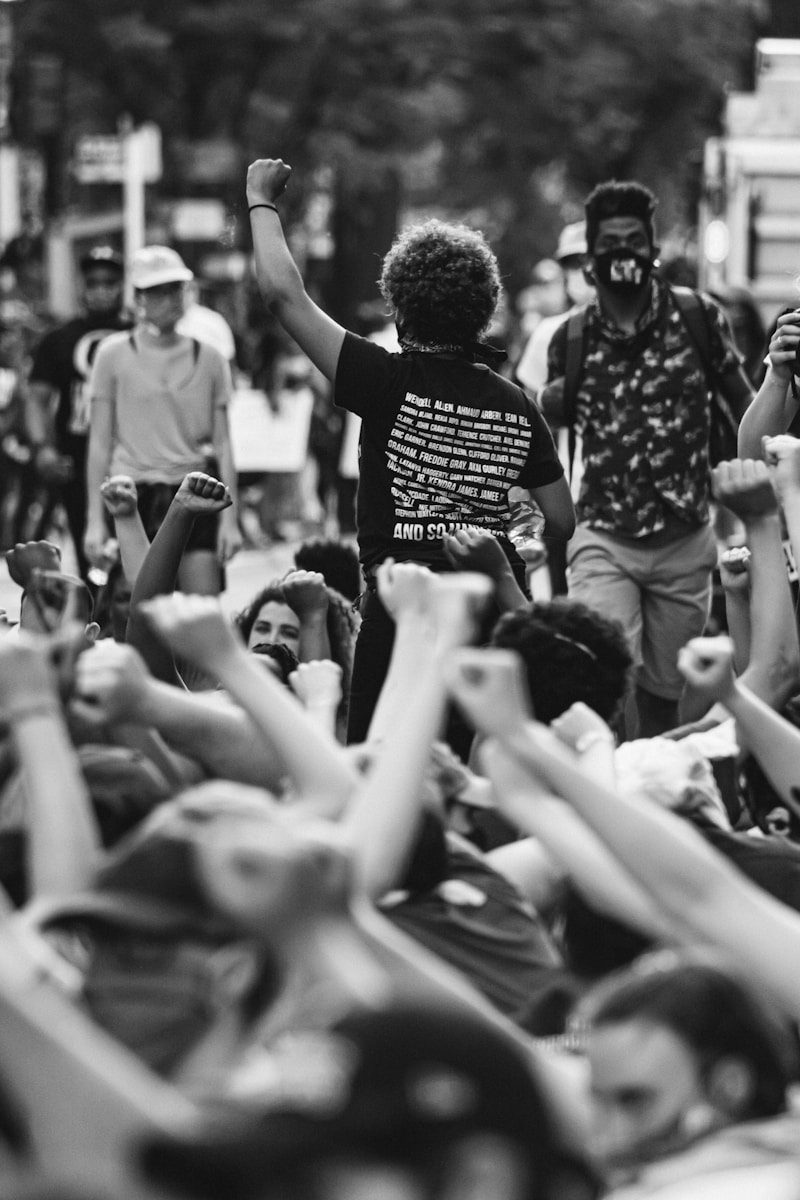
Hundreds of people gathered downtown on Saturday. They carried flags, signs and chanted against a new U.S. move. The group called it an illegal military intervention aimed at capturing Venezuela’s leader, Nicolás Maduro. They see it as a misuse of American power—and of tax dollars.
Jessica Plichta, who had just come back from a peace summit in Venezuela, led the crowd. She told reporters, “We have to apply pressure at every level. This is our tax money too. We can’t let it fund these war crimes.” Indeed, protesters waved banners reading “Free Maduro” and “Stop Imperialism.” They marched through several city streets without major incidents—until the live interview.
Live TV Arrest Shocks Spectators
As Plichta gave her statement to a local news crew, police moved in. First, officers warned her about standing in the road. Then they suddenly cuffed her right in front of the camera. Onlookers gasped as she was guided away. Reporters struggled to keep the shot steady amid the chaos.
Immediately, footage of the arrest went viral online. Many viewers found the scene unsettling. Some argued the police acted too harshly. Others said Plichta broke the law by refusing to leave the roadway. Still, the timing raised questions about free speech and public protest rights.
Historical Echoes of Foreign Raids
Commentators quickly linked this event to past U.S. interventions. For instance, in 1989, American forces invaded Panama to capture Manuel Noriega. Critics say the Maduro raid follows that playbook. In both cases, the U.S. seized a foreign leader on charges of wrongdoing.
Thomas Walker, an international affairs professor at Grand Valley State University, warned of broader risks. He told reporters, “Once a country sets these precedents, other nations may follow. Russia might kidnap a leader they dislike. This undermines global stability.” Therefore, some fear the U.S. example could backfire.
Reactions to the Maduro Raid Grow
After the arrest, social media lit up with opinions on the Maduro raid and protest crackdown. Some users praised law enforcement for keeping order. They called out Plichta for disrupting traffic. Others defended her right to speak against the raid. They shared clips of the arrest and called for her immediate release.
Meanwhile, local leaders distanced themselves from violence. The mayor’s office urged calm. It also asked police to review the footage and confirm that officers followed proper protocol. Still, residents remain divided. Many students at nearby schools held impromptu discussions about free speech. They wondered how far protests can go before crossing legal lines.
Local Voices on the Raid Impact
Lila, a college student at Grand Valley, attended the march. She said, “I oppose war everywhere. But seeing her arrested like that felt wrong. We need to protest peacefully, yet we also need our rights.”
Eli, a factory worker, viewed it differently. He said, “You can’t block a city street. People need to drive. If she wanted to speak, she could’ve done it on the sidewalk.” These mixed views reflect a community wrestling with national controversies.
International experts also weighed in. They noted that the Maduro raid raises questions about sovereignty and law. In Latin America, many governments condemned the U.S. move. They called it a violation of international rules. As a result, regional tensions may rise.
What Protesters Demand Next
Despite the arrest, Plichta’s group plans more actions. They want lawmakers to investigate the raid. They also seek local resolutions condemning the U.S. military’s role. Additionally, they hope to build ties with Venezuelan exiles in Michigan.
Moreover, the protesters aim to keep the story alive. They plan vigils, letter-writing campaigns and public forums. Their goal is to show that opposition to the Maduro raid continues. For them, capturing a foreign leader on their own soil is a sign of overreach.
As a result of this event, free speech advocates are watching closely. They worry that police may use arrest powers to silence critics. Therefore, upcoming protests will test the balance between order and expression.
Lessons from the Grand Rapids Event
First, protests can draw national attention in seconds, thanks to live TV and social media. Second, the way authorities handle dissent shapes public opinion. Lastly, linking local protests to global actions gives communities a sense of participation.
In light of the Maduro raid and the on-air arrest, many are asking: What is the right way to protest? How can activists make their voices heard without breaking the law? And how should police protect public safety while respecting free speech? These questions will guide future debates.
FAQs
What triggered the protest in Grand Rapids?
The protest began in response to the U.S. military action aimed at capturing Venezuelan President Nicolás Maduro. Demonstrators called it an illegal raid and used their tax dollars for war.
Why was organizer Jessica Plichta arrested live on TV?
Officers cited roadway obstruction and failure to obey orders. They claimed she stood in the street after being told to move to the sidewalk. The arrest happened right after her on-air interview.
How does the “Maduro raid” compare to past U.S. actions?
Critics compare it to the 1989 Panama invasion that removed Manuel Noriega. Both operations involved U.S. troops capturing a foreign leader. Experts warn this sets a risky international precedent.
What could happen next after this arrest?
Protesters plan more demonstrations, public forums and letters to lawmakers. Meanwhile, legal observers will watch police conduct to ensure free speech rights remain intact.