


Key Takeaways
• Critics label the White House ballroom a “corruption tumor” on the grounds.
• Trump plans to fund the ballroom with private donors, including oil firms.
• Former counsel Norm Eisen ties the ballroom to payback culture and foreign policy.
• Public anger grows over healthcare costs and Trump’s low approval ratings.
Trump’s White House Ballroom Sparks Corruption Claims
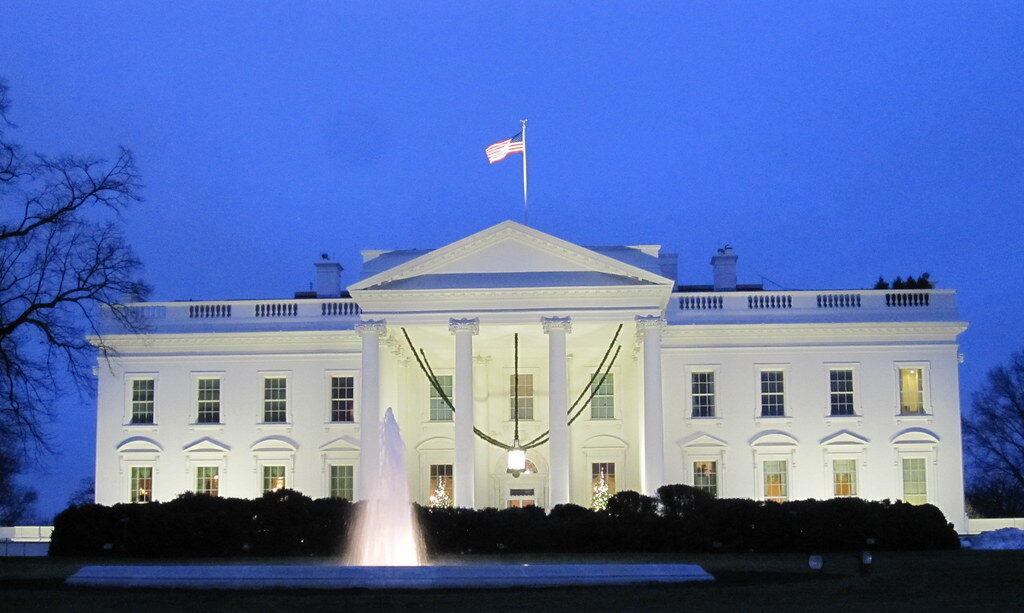
A new plan to build a White House ballroom under Trump has prompted fierce debate. Critics say the project hints at deep corruption. They warn private donors may gain influence over U.S. policy. As a result, many see the ballroom not as an upgrade but a symbol of payback culture.
Why the White House Ballroom Draws Criticism
Former impeachment counsel Norm Eisen calls the ballroom a “corruption tumor.” He argues private funding for a national landmark breaks long-standing tradition. Moreover, he ties the plan to big oil donors and aggressive moves against Venezuela. With that, Eisen lessons the swamp-draining promise, saying the project deepens it.
A Vanity Project over Public Need
Rather than focus on urgent issues, Trump wants a lavish new space. Meanwhile, many families worry about rising healthcare bills. School funding still falls short in places across the country. Yet the White House ballroom rises as a top priority. Critics ask: why build luxury when real needs remain unmet?
Private Funding and Donor Influence
The White House ballroom plan relies on checks from billionaires and oil giants. Eisen warns that donors could expect favors in return. He links donations to policy shifts, especially toward Venezuela. Such a link paints a picture of quid pro quo. In turn, this risks eroding trust in the presidency.
Linking Foreign Policy and Donor Interests
Trump’s team insists donors won’t sway policy. However, Eisen points to past patterns. He recalls meetings where major funders got access and sway. If oil firms bankroll the ballroom, they may push for friendlier rules. In a worst case, the U.S. might soften stances on certain nations.
Blurring Public and Private Roles
Building the White House ballroom with private money blurs clear lines. Traditionally, Congress or tax dollars pay for renovations. Now, corporate checks could decide the shape of a national landmark. This shift worries watchdog groups. They fear less transparency and more backroom deals.
Growing Public Frustration
Surveys show many Americans feel ignored on key issues. Healthcare costs keep rising. Infrastructure needs repair. Yet attention turns to a ballroom fit for fancy events. This gap fuels anger at leadership. Many ask why basic needs come second to a flashy space.
Trump’s Unpopularity and the Ballroom Debate
Trump’s approval ratings remain historically low. Voters on both sides express fatigue with constant scandals. The White House ballroom adds another chapter they can reject. Critics argue it deepens the image of a president out of touch.
A Slippery Slope for National Landmarks
Once private funds build the White House ballroom, what stops others? Could donors fund the Oval Office carpet? Or the Rose Garden paths? Eisen warns that this path invites corporations to reshape national symbols. In turn, it could rewrite rules for all eras.
Lessons from Past Renovations
Previous presidents used public funds for White House updates. They kept tight oversight and clear budgets. The new plan breaks that mold. If private donors lead, reporting and accountability may slip. History shows that weak oversight often invites misuse.
Calls for Transparency and Oversight
Lawmakers demand clear rules on ballroom funding. They want donor names, amounts, and any related meetings logged. Many propose an independent watchdog to monitor the project. Such steps could dampen corruption worries and restore faith.
How Critics Propose Moving Forward
Critics suggest pausing the ballroom until public needs improve. They want healthcare funds diverted first. Also, they push for a full audit of private donations. Finally, they urge a public forum so citizens can weigh in.
The Potential Impact on Future Campaigns
If donors gain clout through the White House ballroom, campaign rules could erode. Corporations might test new ways to buy influence. This project could set a blueprint for future fundraisers. In effect, an unchecked ballroom deal might reshape campaigns for decades.
So, Is the White House Ballroom Worth the Fight?
Supporters call it a historic upgrade and a chance to throw state dinners in style. They say private funding saves taxpayer dollars. Yet critics see a deeper threat. They fear a blueprint for bought influence that hurts democracy.
What’s Next for the Ballroom Project
Congressional hearings loom on the ballroom funding plan. Lawmakers may vote on tighter gift rules. Meanwhile, watchdogs collect evidence of donor lobbying. As the debate heats up, public opinion could shift the outcome.
FAQs
What exactly is the proposed White House ballroom?
It is a large event space planned on the White House grounds. The ballroom would host ceremonies, state dinners, and formal events.
Who funds the White House ballroom?
The plan calls for private donations, including money from oil companies and wealthy individuals. No public money is meant to pay for construction.
Why do critics call it a “corruption tumor”?
Critics argue that accepting large private donations risks payback deals. They say donors could push for favorable policies in return.
What could happen if private donors shape national projects?
Allowing private donors to fund key spaces might set a precedent. Future projects could see similar backing, potentially bending policies to fit donor interests.