


Key Takeaways
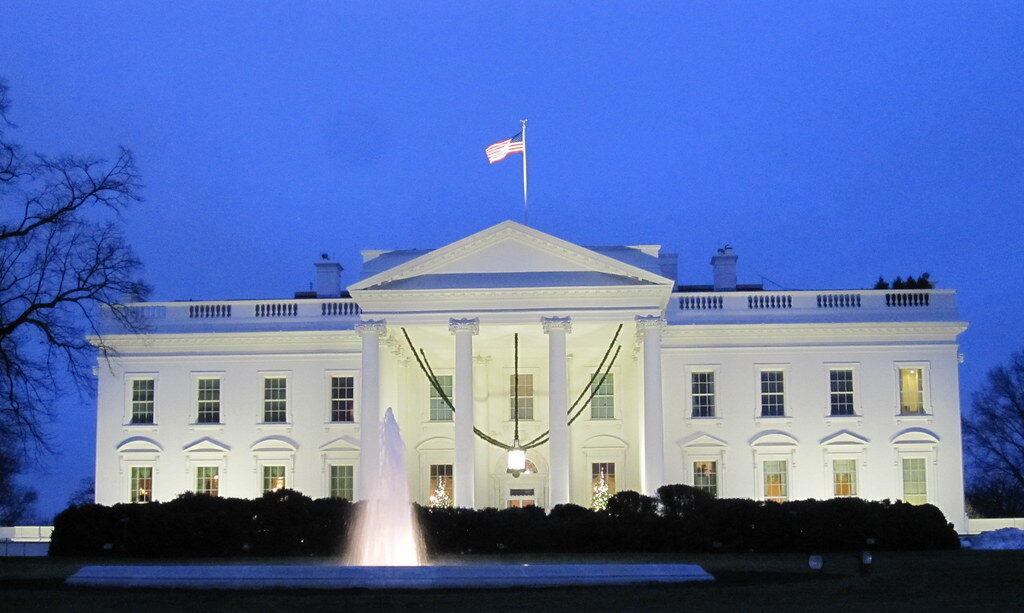
• The White House posted a new Capitol riot timeline page this week.
• Experts say the page rewrites key events and includes false claims.
• The timeline wrongly says Trump called for peace and no officers died.
• Analysts call the page offensive, sickening, and dangerous.
• This rewrite may shape how people remember Jan. 6, 2021.
Inside the New Capitol Riot Timeline Page
The White House quietly launched a new Capitol riot timeline page. It tries to tell a different story of what happened on Jan. 6, 2021. On that day, thousands of people stormed the U.S. Capitol after hearing then-President Trump say they must “fight like hell.” As Congress met to certify an election that Trump lost, rioters attacked officers and broke windows.
However, the new timeline page paints a softer picture. It marks events minute by minute. Yet, critics point out that it leaves out or twists key moments. As a result, many fear it will mislead future readers and shape a false memory of that day.
Why the Capitol Riot Timeline Is Full of Errors
Analysts quickly found glaring mistakes in the newly published timeline. First, the page claims Trump “called for peace” between 2:24 p.m. and 4:54 p.m. on Jan. 6. In truth, at 2:24 p.m., Trump posted a tweet attacking Vice President Mike Pence for refusing to block the election results. He urged him to protect “our Country and our Constitution” instead of calling for calm.
Second, the timeline says no police officers died that day. In fact, five officers who defended the Capitol later died by suicide or from injuries sustained during the attack. Ignoring their deaths erases their sacrifice and pain.
Third, the page suggests Mike Pence overstepped his authority when he certified the vote. As vice president, Pence had the sole duty to oversee the count. He did not claim any extra powers. In contrast, Trump and his allies falsely said Pence could reject certified votes.
Finally, the timeline calls the 2020 election “marred by massive mail-in ballot fraud.” Yet, no court or official review found widespread fraud. Multiple audits and recounts confirmed the results.
Key Mistakes in the Timeline
• Fake peace call: The timeline lists Trump’s “peace” message from 2:24 p.m. to 4:54 p.m., despite his hostile tweet at 2:24 p.m.
• Denying officer deaths: It states no officers died, ignoring the later deaths of five Capitol police members.
• Misplacing Pence: It accuses Pence of acting beyond his role, though he simply followed the Constitution.
• False fraud claims: It labels the election as tainted by massive mail-in fraud, despite legal rulings to the contrary.
Why Experts Are Outraged
Washington Post reporter Meryl Kornfield highlighted the fake peace message on social media. She showed how it directly conflicts with Trump’s tweet. Senior editor Anna Bower called the timeline “sickening” after spotting the false fraud claim and the charge against Pence.
Award-winning journalist Chris Geidner described the whole page as “offensive bull—-.” He argued the rewrite poses a real danger. If readers accept this version, they may doubt clear facts about the Capitol attack.
In fact, these experts worry the White House is trying to shape history. They fear this effort aims to protect Trump’s reputation and undermine the rule of law.
What This Means for Public Memory
By revising the Capitol riot timeline, the White House may influence how future generations understand Jan. 6. Schools, books, and news stories often use official sources. If the government’s version is flawed, it could spread misinformation.
Moreover, altering key details can harm trust in public records. Citizens rely on accurate accounts to hold leaders accountable. When official pages twist events, people may question all government statements.
As a result, fact-checkers and historians stand ready to correct the record. They argue that preserving truth matters more than political spin.
Moving Forward
The release of this timeline page sparked swift backlash. Lawmakers from both parties demanded a fix. Meanwhile, historians warned against any attempt to erase or deny painful chapters of U.S. history.
Ultimately, the Capitol riot timeline page highlights the power of online narrative. It shows how simple edits can reshape public view. In this digital age, readers must stay alert and compare multiple sources.
Also, the controversy reminds us that democracy depends on shared facts. Without them, healthy debate turns into confusion. Therefore, people should seek out verified reports from independent experts.
Frequently Asked Questions
How does the new timeline differ from earlier accounts?
The new version downplays violence, omits officer deaths, and adds unproven fraud claims. Scholars say it rewrites key moments.
Why mention the 2:24 p.m. tweet?
At 2:24 p.m., Trump attacked Pence on social media. The timeline claims he called for peace at that exact time. That conflict reveals a major inaccuracy.
Did any officers die during the riot day?
No officers died on Jan. 6 itself. Yet, five Capitol police members died later from injuries or trauma linked to the attack. The timeline erases their losses.
What can readers do to check the facts?
Readers should consult multiple reliable sources, including news outlets, court records, and independent reports. Fact-checking sites also track corrections and updates.