

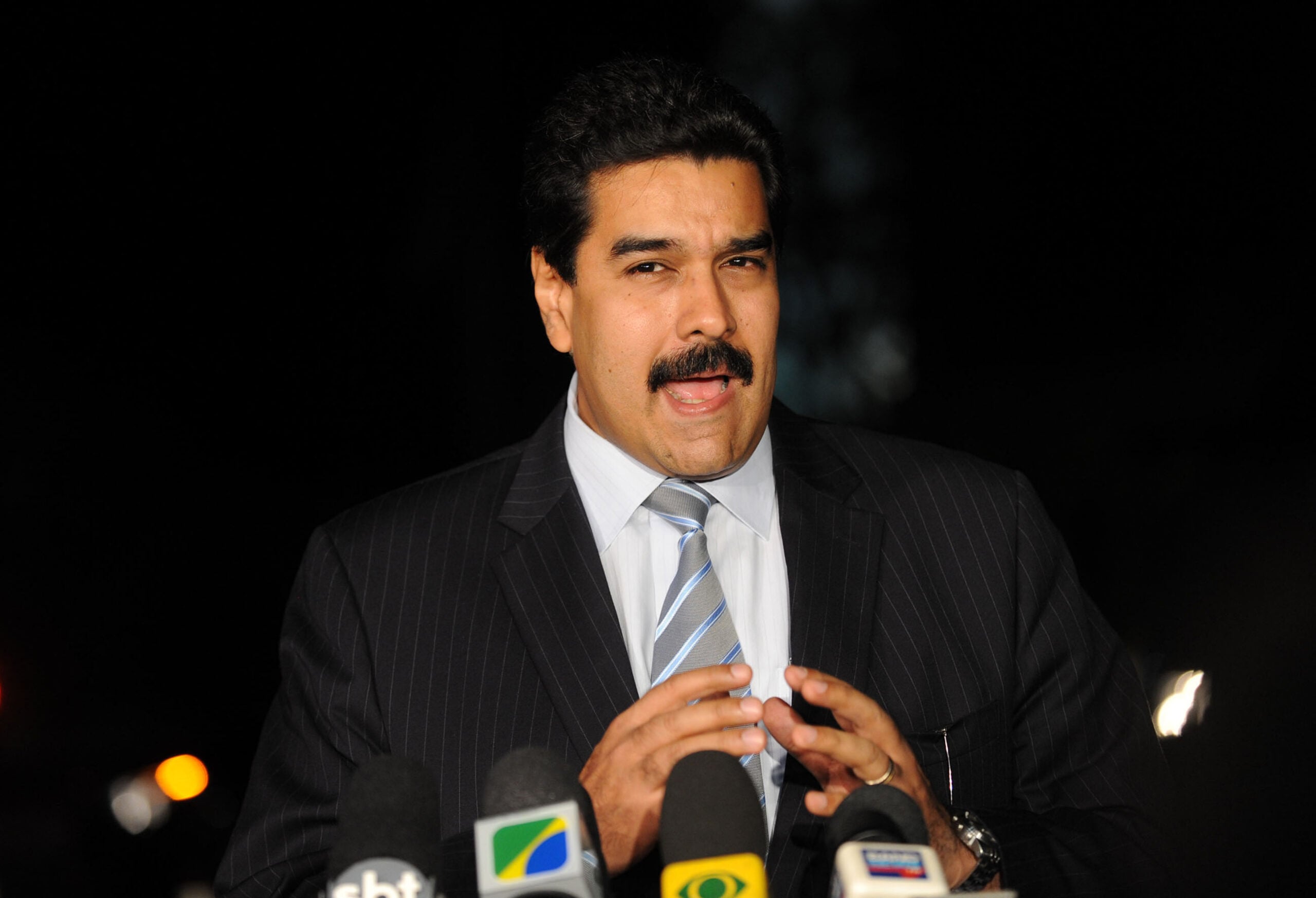

Key Takeaways:
- President Trump slammed Venezuelan President Nicolás Maduro for copying his dance moves.
- Trump accused Maduro of killing millions and running torture chambers in Caracas.
- Recent reports say Maduro’s public dancing helped push Trump’s team to attack Venezuela.
- The U.S. operation killed at least 80 Venezuelans and shook regional stability.
At a Washington event, President Trump spoke out against Nicolás Maduro. He said the Venezuelan leader tried to mimic his own dance moves. Trump also called Maduro violent and cruel. He claimed Maduro killed millions of people and tortured citizens in secret cells. This attack on Venezuela marks an unprecedented move by the U.S.
How the Maduro Dance Sparked Tensions
According to new reports, the Maduro dance became a main reason behind the U.S. strike. Team members felt Maduro mocked them with his public moves. In recent weeks, Maduro posted videos of himself dancing in Caracas. These clips showed him smiling and swaying to music. As a result, Trump advisers saw this behavior as a sign of weakness.
Trump said the Maduro dance was “one move too many.” He believed Maduro hoped to prove Trump would not act. Moreover, Republican lawmakers agreed that the videos showed Maduro’s contempt. Consequently, the White House approved a large-scale mission. The operation left at least 80 people dead in Venezuela.
Allegations of Violence and Torture
Beyond his dance, Trump accused Maduro of brutal acts. He claimed millions died under Maduro’s rule. He said “they have a torture chamber in the middle of Caracas.” Trump urged Democrats to see Maduro’s violent side. He argued they had ignored these crimes for years.
However, experts warn that official death tolls remain unclear. While political violence did surge, the figure of millions may be an overestimate. Still, multiple human rights groups have documented torture in Venezuela. They described secret prisons and beatings. These reports fueled U.S. outrage alongside the political theatrics of the Maduro dance.
The Secret Cells in Caracas
In his speech, Trump said security forces ran a hidden prison. Detainees faced interrogation, beatings, and isolation. Reports say this location operated for years. Yet the site only closed after strong international pressure. When Trump mentioned the torture chamber, he added that Maduro’s dancing was part of a cruel game. People felt the videos showed him celebrating while subjects suffered.
How Dancing Became a Political Flashpoint
Traditionally, political leaders use public appearances to show strength. Maduro’s decision to dance on social media surprised many analysts. They noted that past leaders rarely mix leisure with politics so openly. Furthermore, Venezuela faced dire economic collapse. Citizens lacked food and medicine. So dancing in lavish settings felt out of touch.
Meanwhile, U.S. strategists watched these clips closely. They believed Maduro used the dance as a taunt. That perception helped cement the view that harsher measures were needed. Thus the Maduro dance entered official discussions in Washington. It transformed a cultural act into a diplomatic crisis.
Inside the Decision to Attack
Sources say the White House debated options for weeks. Some advisers pushed for sanctions and talks. Others urged military force. After the videos leaked, the military faction grew stronger. They saw the Maduro dance as proof that diplomacy failed.
On the day of the attack, Trump referenced those videos at the Kennedy Center. He said Maduro “tries to imitate my dance a little bit.” Trump’s critics called this petty. Yet Trump defended the mission as necessary. He highlighted alleged atrocities to justify the strike. As a result, the attack went forward overnight.
Impact of the Attack on Venezuela
The U.S. operation caused immediate chaos. At least 80 Venezuelans died, including civilians. Hospitals faced power cuts and supply shortages. Opposition leaders called for protests. Government forces blamed rebels and foreign agents. Meanwhile, families lost loved ones without clear answers.
Regionally, neighbors feared further U.S. moves in Latin America. Countries like Colombia and Brazil held emergency meetings. They warned that more violence could spread. In addition, global markets dipped on fears of wider conflict. Oil prices rose, as Venezuela holds vast reserves.
Social media lit up with images of destruction. Videos showed smoke rising from Caracas streets. Citizens pleaded for food, water, and global help. Many blamed Maduro’s policies for the crisis. Others blamed Trump for the attack. The Maduro dance became a symbol of the dispute, referenced in news reports and memes alike.
What Comes Next
In Washington, lawmakers plan hearings on the strike. Some Republicans support Trump’s choice. Others warn of legal risks and global backlash. Democrats demand details on civilian casualties and evidence of torture. Meanwhile, U.N. officials call for an impartial investigation.
Venezuela faces an uphill battle. Its economy teeters on collapse. Political divisions run deep. Yet protests continue against Maduro’s rule. International support splits over the U.S. action. Some nations back sanctions, while others denounce foreign intervention.
For now, the Maduro dance remains a curious footnote. It illustrates how small public acts can have big political effects. The world watches closely to see if diplomacy regains ground or if conflict deepens.
Frequently Asked Questions
What did Trump say about Maduro’s dancing?
He accused Maduro of copying his dance and called him violent and cruel. He also said Maduro had a secret torture chamber in Caracas.
Why did the U.S. attack Venezuela?
The U.S. cited alleged human rights abuses and the provocative public dancing. Officials felt Maduro’s behavior proved diplomacy had failed.
How many Venezuelans died in the attack?
At least 80 people died, including civilians. The exact figure may rise as more regions report damage.
Will this conflict spread in Latin America?
Regional leaders fear wider clashes. They worry the strike could embolden other interventions and increase instability.