

Key Takeaways
• Trump said Venezuelan leader Nicolás Maduro imitated his dance, hinting at a personal insult.
• A Democratic analyst called this a stunning confession about Trump’s motive.
• Reports say Maduro’s public dancing mocked the United States.
• The Venezuela raid raises big legal and global questions.
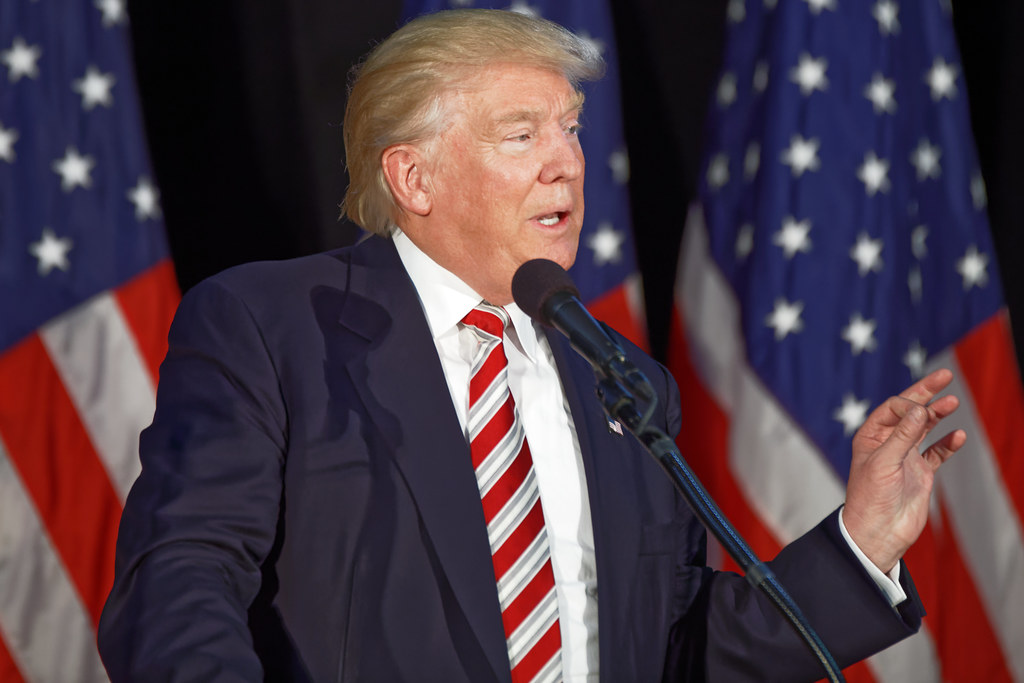
Donald Trump surprised many when he joked that Nicolás Maduro “tried to imitate my dance.” He made that remark during a recent press moment about the sudden Venezuela raid. A Democratic analyst called it a stunning confession. In fact, the joke may reveal why Trump ordered last weekend’s dramatic military move to seize Maduro.
What Trump Said About the Venezuela Raid
At a public event, Trump described Maduro’s dance as a personal slight. He said it felt like the Venezuelan leader had mocked him. Then, Trump let slip that this mocking partly drove the Venezuela raid. As a result, critics now see the operation as fueled by pride, not just politics.
Why the Venezuela Raid Sparked Legal Debate
Many lawyers question the raid’s legality under U.S. and international law. First, the United Nations prohibits forceful capture of a sitting head of state without Security Council approval. Second, the U.S. Constitution gives Congress the war power. However, Trump did not seek new authorization. Thus, some view the Venezuela raid as an overreach of executive power.
Moreover, international bodies worry that the raid could set a risky precedent. If any country can seize another nation’s leader, global order could suffer. Meanwhile, allies express concern over sudden unilateral action. They fear future conflicts might mimic this model.
The Dance That Mocked Washington
Last year, Nicolás Maduro posted a video of himself dancing at a party. He wore bright clothes and moved with a big smile. Many in Trump’s circle saw this as a mockery of U.S. efforts to remove him. In fact, a New York Times report said aides felt the dance insulted American dignity. Consequently, they pushed Trump to act.
This backstory gives new meaning to the Venezuela raid. What once seemed driven by policy now looks partly personal. Moreover, the idea of a world leader dancing drew odd attention in Washington. It mixed the serious nature of foreign policy with a strange pop culture beat.
Geopolitical Fallout of the Venezuela Raid
The Venezuela raid shocked governments worldwide. Latin American nations condemned the operation. They called it a violation of sovereignty. As a result, regional unity against U.S. influence could grow.
Additionally, adversaries like Russia and China seized on the raid to criticize U.S. policy. They pointed to the operation as proof of American aggression. In fact, both nations have strong ties to Venezuela’s government. They may now deepen their support for Maduro’s allies.
Domestically, the raid fuels debate over American priorities. Some praise Trump’s tough stance on socialism. Others argue the U.S. should focus on domestic issues. Meanwhile, Congress plans to hold hearings on the operation. Those sessions could shape future oversight of presidential war powers.
What Happens Next?
In the short term, the U.S. must manage fallout from the raid. Washington may face sanctions or diplomatic protests from Latin American neighbors. At the same time, Trump will likely defend his action as necessary. He could lean on the narrative that Maduro threatened U.S. interests.
Long term, the raid may alter how the world views executive authority. If courts or lawmakers challenge the operation, future presidents might think twice before ordering similar missions. Moreover, global leaders will watch closely to see if the U.S. faces any real consequences.
Ultimately, whether the Venezuela raid succeeds in removing Maduro remains unclear. However, the raid has already reshaped discussions on presidential power, international law, and even dance.
Frequently Asked Questions
Why did Trump mention a dance during the Venezuela raid discussion?
Trump said Maduro’s public dancing felt like a personal mockery. He suggested this slight partly drove his decision to order the Venezuela raid.
Is the Venezuela raid legal under international law?
Many experts view the raid as problematic. They argue that seizing a sitting head of state without UN approval may breach international law.
How might the raid affect U.S. relations in Latin America?
Several Latin American countries criticized the operation. They stress respect for sovereignty and nonintervention. Tensions could rise if the U.S. does not address these concerns.
What comes next for Trump’s Venezuela policy?
Congress plans to hold hearings on the raid. These sessions could lead to new limits on presidential war powers. Meanwhile, the White House is likely to defend its actions as vital to U.S. security.