


Key Takeaways:
• Governor Walz put the National Guard on alert after an ICE officer’s fatal shooting
• Republican Rep. Pete Stauber accused Walz of planning a civil war against the federal government
• Senator Tina Smith and Minnesota Young DFL slammed Stauber’s comments as misleading
• The debate highlights rising political tension over when to deploy the National Guard
Why the National Guard Alert Caused a Stir
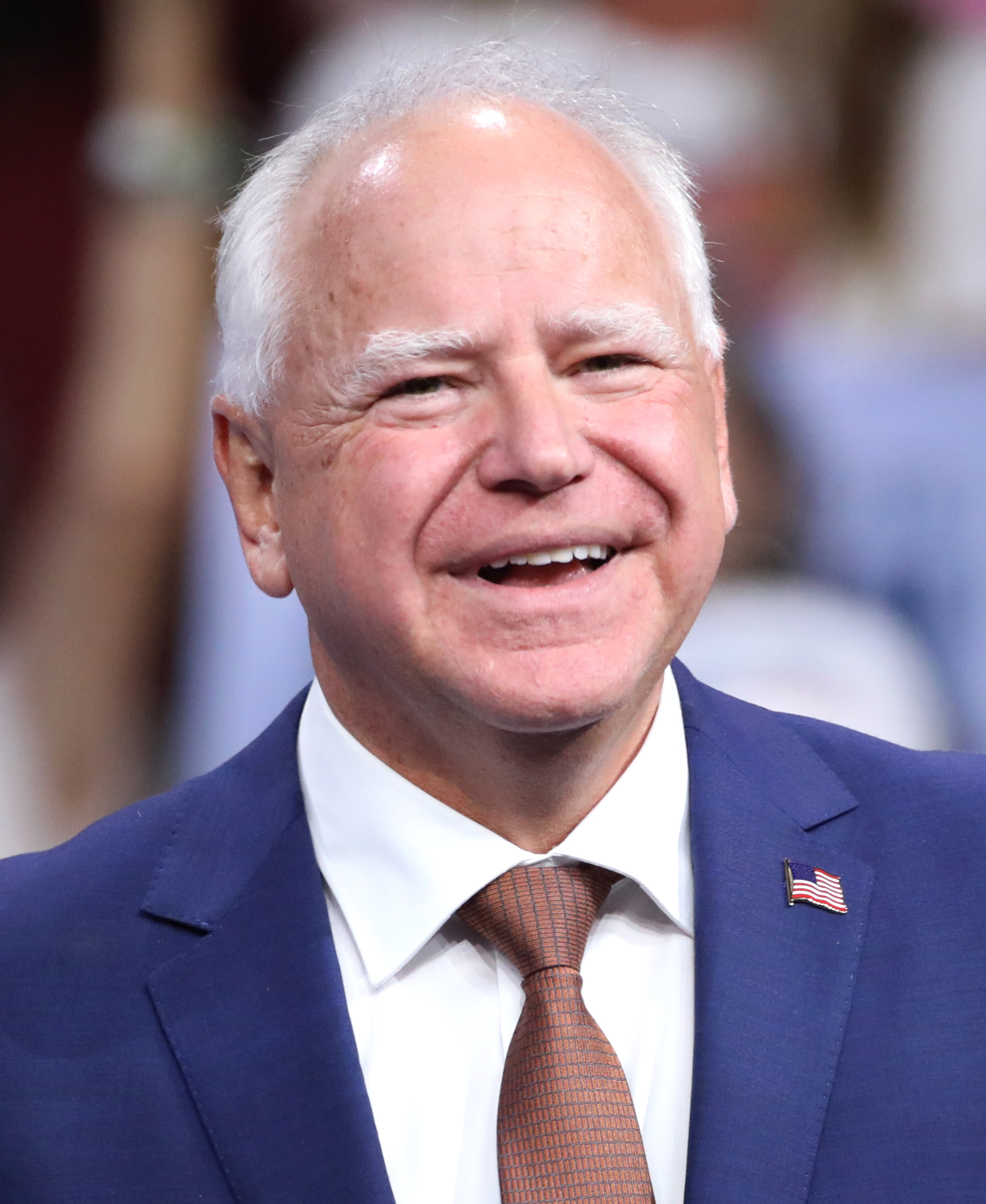
Governor Tim Walz announced that Minnesota’s National Guard would stand ready in case unrest erupted. He made the move after an Immigration and Customs Enforcement officer shot and killed a man in Minneapolis. The governor said he wanted to protect public safety and ensure calm. However, a top pro-Trump lawmaker saw it as an attack on federal powers.
What Happened
Late last week, suspicion and anger rose in Minneapolis when federal agents shot a local man. Video of the killing spread fast on social media. Soon, crowds gathered to protest outside the city’s federal buildings. In response, Governor Walz ordered Minnesota’s National Guard to prepare for duty. He stressed that the troops would only help if local law enforcement needed backup.
Civil War Claims From a Lawmaker
Shortly after the guard alert, Republican Rep. Pete Stauber took to X to blast the governor. He wrote that Walz was ready to use “our National Guard sons and daughters to wage a Civil War against the federal government.” Stauber based his claim on a historical reference. At his press conference, Walz spoke of Minnesota troops holding the line at Gettysburg in 1863. Stauber treated that comparison as a modern call to arms, though it was meant to honor past service.
Lawmakers Clash Over National Guard Use
Meanwhile, Senator Tina Smith fired back at Stauber’s post. She told him to “just stop it” and called out his spin on the guard deployment. Smith pointed out that everyone would criticize the governor if he did nothing. She argued that putting the National Guard on alert is a normal step to keep citizens safe. Furthermore, she said spreading fear and false claims “should be below even you.”
Political Firestorm Erupts
Another voice soon joined the debate. The Minnesota Young DFL posted a scathing reply on social media. They told Stauber, “You’re full of s—, Pete. We deserve better than representatives who fan the flames of division.” Many people saw the back-and-forth as a sign of deep division in the state. On one side, officials stress calm and readiness. On the other, some elected leaders push hot rhetoric.
Why the Guard Is On Alert
The governor’s office emphasizes that the National Guard will only step in if violence threatens public safety. According to state law, the governor can call up the guard when local police ask for help. In recent years, the guard has assisted during natural disasters and protests. In this case, officials say their presence aims to deter potential chaos and protect federal facilities.
Historical Context
Minnesota soldiers did indeed fight at Gettysburg in July 1863. They helped turn the tide against Confederate forces who had rebelled against the federal government. At the press conference, Governor Walz referred to that sacrifice to urge unity now. He warned that people should not lose hope even when times seem dark. His comparison, however, proved easy to misinterpret.
Public Reaction and Concerns
Some citizens worry that the National Guard could be used to intimidate protesters. They recall past incidents where troops appeared in full gear. These images often stoked anger rather than eased it. Accordingly, community leaders urge clear rules for any guard deployment. They want promises that troops will not interfere with peaceful demonstrations.
Balancing Safety and Rights
Legal experts note that the National Guard must follow state and federal guidelines. They cannot attack free speech or block lawful protests. If they overstep, commanders can face legal action. Thus, transparency and communication are key. Otherwise, trust between officials and the public could erode further.
The Role of Transition and Clarity
Moreover, using clear language matters when announcing guard mobilization. Sundry groups watch every word. Legal scholars say that ambiguous speech can inflame tensions. Conversely, plain talk and detailed plans help calm fears. Next time, officials might share rules on guard engagement up front.
What Comes Next
Governor Walz plans to hold town hall meetings to explain his decision. He hopes to highlight past guard deployments and safety records. In turn, Rep. Stauber says he will keep questioning any guard use. Other lawmakers say they will propose tighter rules on military-style force for protests. As the debate continues, Minnesota residents remain split on the issue.
Looking Ahead
The National Guard alert debate shows how political divides can twist simple safety measures. Words that leaders choose can unite or inflame. Now, both sides face pressure to prove their motives to voters. Ultimately, citizens want security and freedom at the same time. Finding that balance will define Minnesota’s next political battles.
FAQs
Why is the National Guard on alert in Minnesota?
The governor ordered the guard to stand by after an ICE officer’s fatal shooting. The troops would step in only if local police need help to keep peace.
What did Rep. Pete Stauber claim?
Stauber accused the governor of preparing to wage civil war on the federal government by putting the National Guard on alert. He based his criticism on a Gettysburg reference.
How did Senator Tina Smith respond?
Smith called Stauber’s comments misinformation. She said that alerting the National Guard is a common step to protect public safety.
Can the National Guard limit protests?
By law, the guard must respect free speech and peaceful assembly. They can help control violence but cannot block lawful demonstrations.