


Key Takeaways:
- Press Secretary Karoline Leavitt ended the White House briefing seconds before the 65-minute betting cutoff.
- Gamblers lost near-certain bets, handing massive payouts to a lucky few.
- Critics called the move unfair, absurd, and corrosive.
- Prediction markets on event lengths have surged in popularity.
- The sudden exit has sparked debate on fairness and transparency.
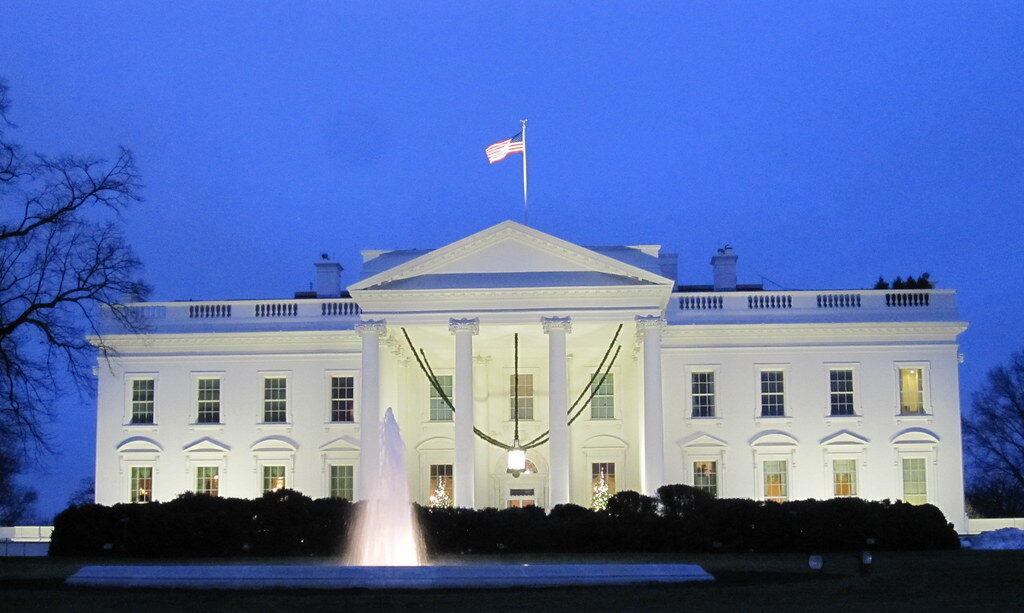
Press Secretary Karoline Leavitt wrapped up a key White House briefing just 30 seconds shy of a 65-minute cutoff used by prediction markets. Gamblers and critics erupted in outrage. Odds had given a 98 percent chance the briefing would run past 65 minutes. Instead, Leavitt breezed through health guidelines, a Venezuela oil deal, and even boasted about a White House website mocking Jan. 6. Then she grabbed her papers and walked off stage, leaving bettors stunned.
Why the White House briefing exit shocked gamblers
Prediction markets let people wager on real-world events, including how long speeches or press briefings last. In this case, nearly all bets favored a briefing of at least 65 minutes. With only 30 seconds to go, Leavitt ended the session. As a result, a few bettors scored huge payouts, while most lost their near-certain wagers. Many traders cried foul, accusing the White House of playing into a betting farce.
How prediction markets work
Prediction gambling has exploded online. Platforms set odds based on collective guesses, then adjust them as bets flow in. For the White House briefing, markets moved to reflect strong confidence in a long event. Gamblers followed live streams, analyzed past briefing lengths, and placed money on the expected outcome. However, critics warn that betting on public events could erode trust in official communication.
Online outrage and accusations
Social media lit up minutes after the abrupt ending. Traders accused the White House of manipulating the briefing length to hurt bettors. Political observers called the episode absurd and corrosive. Some argued that public events should not hinge on betting rules. Others claimed the prediction-market craze has veered into farce, turning serious press briefings into a gamble.
What this means for future briefings
First, organizers may face pressure to stick to strict schedules. Clear start and end times could prevent disputes over betting cutoffs. Second, betting platforms might adjust rules—possibly adding buffer periods or shifting cutoff times. Finally, officials could push for transparency by publishing detailed event timelines in advance. These steps could help balance the thrill of wagering with the need for open communication.
Conclusion
The sudden end of the White House briefing has shaken both gamblers and critics. By stopping just before the betting cutoff, the event highlighted the power—and pitfalls—of prediction markets. Moving forward, both the White House and wagering platforms will need to work together. They must ensure fairness and preserve trust in public briefings, or risk more disputes and skepticism.
Frequently Asked Questions
What led to the betting frenzy on the briefing length?
Prediction markets offered odds on the briefing’s runtime, drawing heavy bets as traders predicted a long event.
Why was stopping before 65 minutes so impactful?
Bets paid out only if the briefing passed the 65-minute mark. Cutting off just before triggered massive losses for many.
Could the White House face criticism for this timing?
Yes. Critics may demand clearer schedules and rules to avoid any hint of manipulation.
Will betting platforms change their rules after this incident?
They might. Platforms could add buffer periods or adjust cutoff rules to prevent similar controversies.