

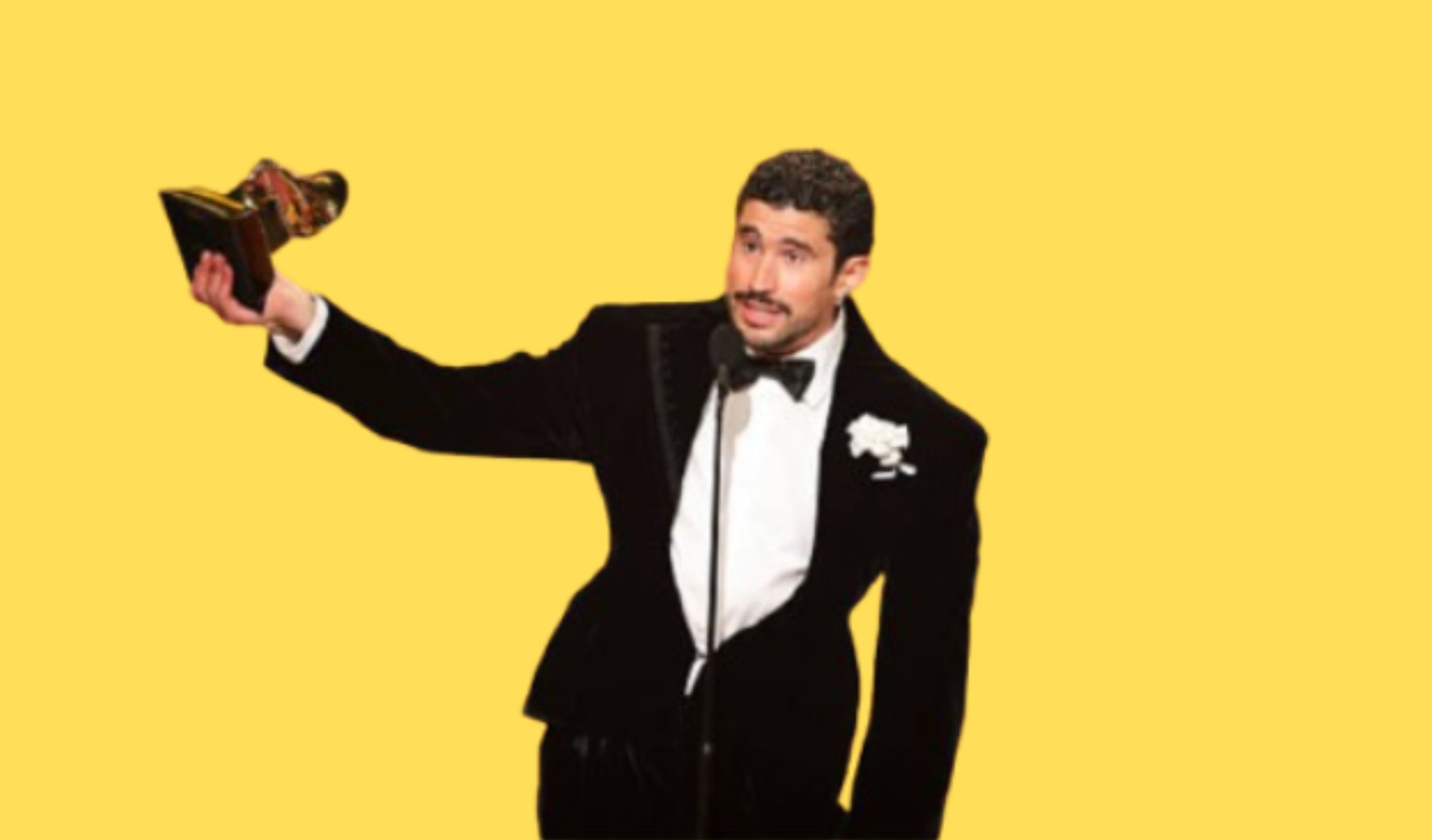

The Bad Bunny Grammy win in 2026 marked a defining cultural moment in the United States, reshaping long-standing ideas about language, identity, and belonging in mainstream entertainment. When the Puerto Rican artist earned the Recording Academy’s top honor for a Spanish-language album, the recognition carried significance far beyond music charts or award ceremonies.
For many Latino communities across the country, the moment represented public validation in a society where cultural influence has often outpaced institutional recognition. It showed that artistic success in the United States no longer depends on assimilation into English-dominant norms.
A Historic First for the Grammy Awards
For decades, Spanish-language artists were largely celebrated within genre-specific Grammy categories. While those awards acknowledged talent, they also reinforced a structural separation between Latino music and the industry’s most prestigious honors.
The Bad Bunny Grammy win disrupted that pattern. His album competed directly with English-language projects from globally dominant artists and emerged at the top. The result reflected changing listening habits in the United States, where bilingual and multilingual audiences now shape mainstream consumption.
According to the Recording Academy, award decisions increasingly weigh cultural impact and originality alongside technical excellence. The outcome suggested that language alone is no longer treated as a barrier to top-tier recognition.
Why This Win Resonated Beyond Music
The impact of the Bad Bunny Grammy win extended well beyond the entertainment industry. For many Latinos living in the United States, the recognition symbolized visibility in a cultural landscape where representation has often lagged behind demographic reality.
Bad Bunny did not alter his creative identity to appeal to a broader audience. His work remained rooted in Puerto Rican culture, addressing themes such as migration, collective memory, and social change. That authenticity resonated across borders, reinforcing the idea that cultural specificity can strengthen global appeal.
Cultural commentators noted that the moment challenged the assumption that success requires dilution of identity.
Breaking the “Crossover” Expectation
Historically, Latino artists were encouraged to “cross over” into English-language markets to achieve mainstream success. That expectation shaped industry strategies for decades, influencing how artists were marketed and which voices were elevated.
The Bad Bunny Grammy win directly challenged that model. Instead of adapting his language or cultural references, the artist maintained creative independence. The industry adjusted in response, not the other way around.
This shift reflects broader changes in American media consumption, where audiences increasingly value authenticity and storytelling grounded in lived experience.
A Reflection of a Changing United States
Latinos make up nearly one-fifth of the US population, and Spanish is the country’s second-most spoken language. Yet representation at the highest levels of cultural recognition has historically fallen short of that influence.
The Bad Bunny Grammy win served as a visible acknowledgment of this demographic and cultural presence. Recognizing a Spanish-language album as the year’s most celebrated project signaled an evolving definition of American culture one that is multilingual, multicultural, and globally connected.
Industry analysts note that this recognition aligns with broader shifts in media, where streaming platforms and global audiences increasingly drive success metrics.
Implications for the Music Industry
The Bad Bunny Grammy win may influence future industry decisions, from record label investments to award-season strategies. Analysts suggest that the moment could encourage greater support for Spanish-language projects without pressuring artists to conform to English-dominant standards.
It may also affect how cultural impact is measured across creative industries, placing more emphasis on originality and community resonance rather than traditional market assumptions.
For emerging Latino artists, the message is clear: cultural identity is not a limitation on success.
A Global Stage With Local Roots
The recognition comes as Bad Bunny continues to occupy some of the world’s most visible platforms, including major global performances that reach audiences far beyond the United States.
The Bad Bunny Grammywin underscores how Latino culture has moved from the margins to the center of global popular culture. From Puerto Rico to major US cities, his success reflects the experiences of a generation unwilling to separate ambition from identity.
Progress, With Work Still Ahead
While the Bad Bunny Grammy win represents a milestone, cultural advocates emphasize that broader challenges remain. Latino representation within executive leadership, award-voting institutions, and media ownership continues to lag behind cultural influence.
Still, the moment stands as a turning point. It redefined what recognition can look like in the United States and set a precedent for how success is measured in an increasingly diverse society.
Bad Bunny did more than win a Grammy. He helped reshape the framework through which culture, language, and identity are valued in American public life.