

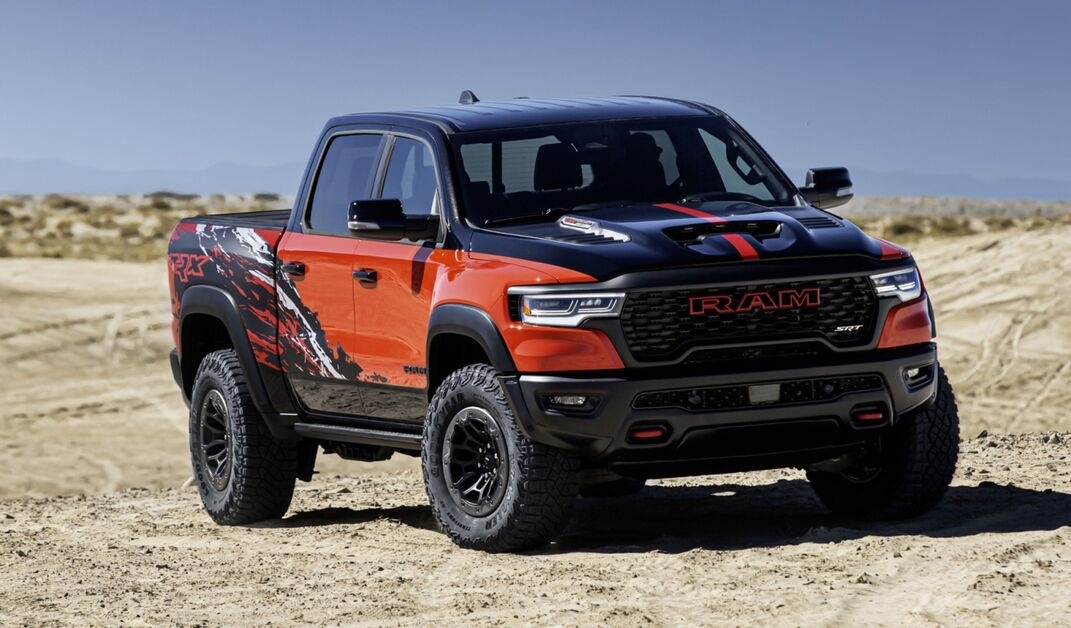

America EV slowdown is becoming increasingly evident at a time when global electric vehicle adoption continues to accelerate. The shift was quietly but clearly reflected during the 2026 Detroit Auto Show, where electric vehicles played a noticeably smaller role compared with previous years.
Instead of headline-grabbing battery-electric launches, automakers emphasized hybrid models, refreshed gasoline platforms, and efficiency-focused updates. The change points to a broader reassessment underway across the U.S. auto industry, driven by rising costs, uneven consumer demand, and intensifying global competition.
While manufacturers continue to reaffirm long-term commitments to electrification, the short-term pullback has raised questions about whether the United States risks losing ground in the rapidly evolving global automotive landscape.
Detroit Auto Show Highlights Strategic Recalibration
The Detroit Auto Show has long served as a signal of industry direction. This year, that signal leaned toward caution rather than acceleration.
Major U.S. automakers acknowledged significant financial pressures tied to electric vehicle investments. Ford Motor Company and General Motors together reported electric-vehicle-related write-downs exceeding $25 billion. Ford disclosed approximately $19.5 billion in EV-related charges, while General Motors reported nearly $6 billion, citing delayed projects, underutilized facilities, and slower-than-expected consumer uptake.
Executives stressed that electric vehicles remain central to future plans. However, timelines are being extended, production targets adjusted, and capital spending moderated to protect near-term profitability.
The message from Detroit was clear: the America EV slowdown reflects a pause in momentum, not a complete reversal, but the timing of that pause carries long-term consequences.
Global Electric Vehicle Adoption Continues to Accelerate
While U.S. manufacturers slow investment, global electric vehicle adoption continues to expand at a rapid pace.
According to data from the International Energy Agency, global electric vehicle registrations reached approximately 20.7 million units in 2025, representing about 20% year-over-year growth. China remained the dominant force, accounting for nearly 12.9 million registrations, while Europe recorded roughly 4.3 million EV sales.
Emerging markets in Southeast Asia and Latin America also saw strong momentum, with some regions posting growth rates approaching 50%. In contrast, EV sales growth in the United States remained nearly flat, hovering around 1%.
This widening gap threatens to erode U.S. competitiveness in manufacturing scale, battery cost reduction, and next-generation vehicle technology.
Why the America EV Slowdown Matters
The implications of America EV slowdown extend beyond environmental goals or short-term market cycles. Electric vehicles increasingly serve as platforms for advanced software systems, battery innovation, autonomous driving technologies, and connected services.
Countries that scale EV adoption faster benefit from stronger supply chains, lower production costs, and faster infrastructure development. These advantages compound over time, making it increasingly difficult for slower-moving markets to catch up.
If domestic adoption continues to lag, innovation, engineering talent, and high-value manufacturing jobs could migrate to regions with stronger momentum.
Tesla Reflects Broader Market Pressures
Even industry leaders are not immune to current headwinds. Tesla reported a 9% decline in vehicle deliveries in 2025, while net profits fell by approximately 46% year-over-year.
Chief Executive Officer Elon Musk acknowledged the challenges, indicating a strategic pivot toward artificial intelligence, robotics, and energy solutions. While these areas may unlock future growth, the shift underscores uncertainty surrounding near-term EV profitability.
Tesla’s performance highlights a broader industry reality: scaling electric vehicle manufacturing remains capital-intensive, and margins are under pressure amid rising competition and fluctuating policy incentives.
Hybrids and Gasoline Vehicles Regain Attention
At Detroit, hybrids and gasoline-powered vehicles reclaimed center stage.
Automakers showcased expanded hybrid lineups and refined internal combustion platforms aimed at meeting consumer demand while maintaining profitability. For many buyers, hybrids offer improved fuel efficiency without requiring major lifestyle or infrastructure changes.
Manufacturers increasingly view hybrids as a transitional solution, bridging the gap between gasoline vehicles and full electrification. However, critics argue that excessive reliance on transitional technologies could further deepen the America EV slowdown and delay long-term innovation.
Impact on Jobs and Automotive Supply Chains
The EV pullback carries consequences for employment and supply chains across the United States.
Battery plants, charging infrastructure projects, and EV-focused factories were expected to generate thousands of jobs. Delays or cancellations risk redirecting those investments to regions with faster adoption and clearer policy support.
Suppliers specializing in electric drivetrains, power electronics, and vehicle software may increasingly seek growth opportunities abroad, weakening domestic industrial ecosystems.
A Crossroads for the U.S. Auto Industry
The U.S. auto industry now faces a critical crossroads.
Short-term financial discipline may stabilize balance sheets, but long-term competitiveness will depend on sustained innovation and global relevance. History suggests that early leadership in emerging technologies often requires absorbing losses before scale and efficiency improve.
Nations willing to push through those early challenges tend to dominate new industries. Those that hesitate risk permanent displacement.
The Cost of Falling Behind
America EV slowdown is not irreversible, but the window for leadership is narrowing.
As China, Europe, and emerging markets continue aggressive investment, the risk grows that manufacturing leadership, innovation capacity, and high-value jobs will migrate elsewhere. Decisions made today by automakers, investors, and policymakers will determine whether the United States leads the electric future or struggles to regain lost ground.