


Introduction
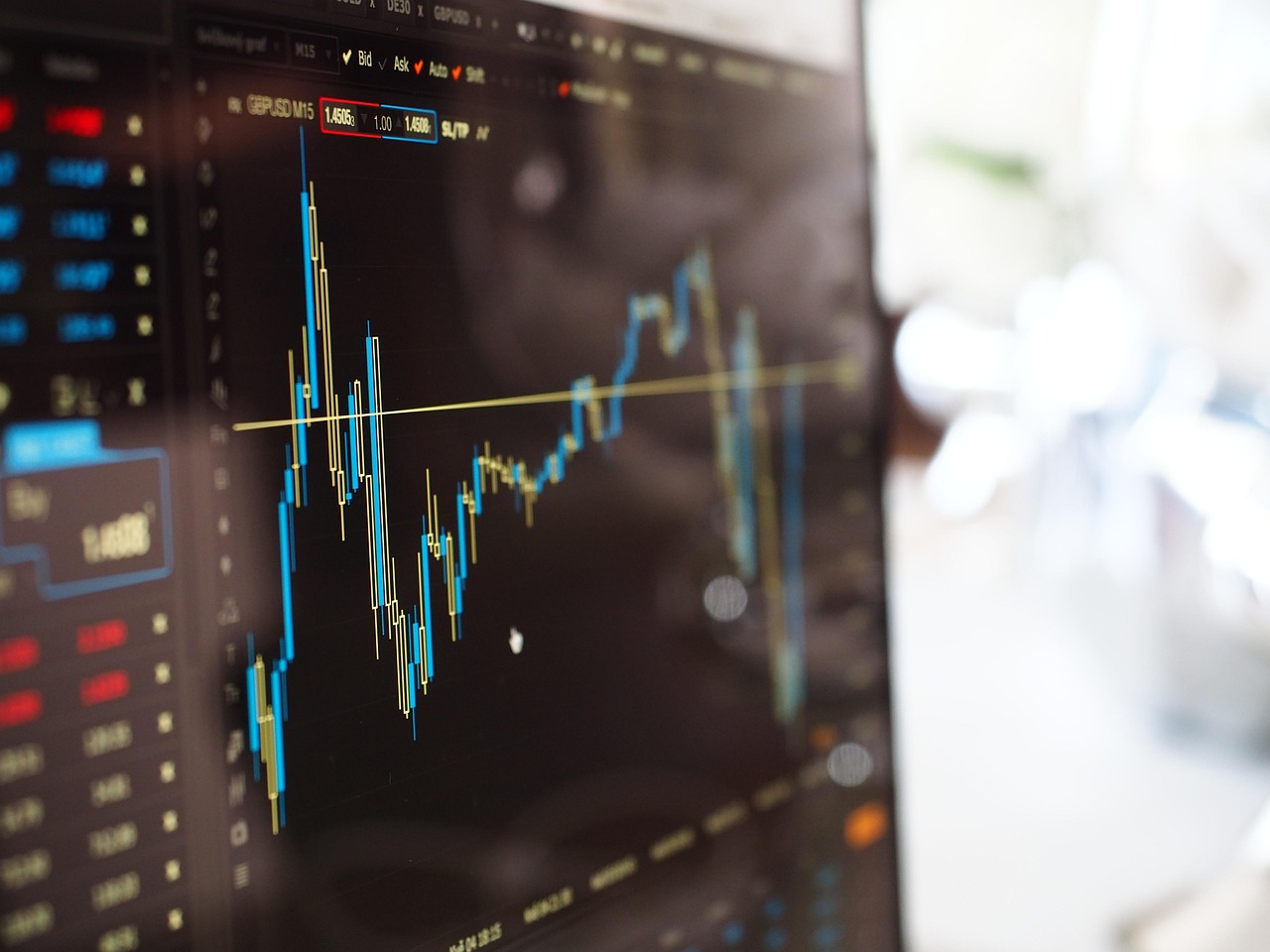
In recent months, the global stock market has been a rollercoaster of emotions for investors as artificial intelligence (AI) continues to disrupt traditional industries. This week, Asian stocks are predicted to follow Wall Street’s decline due to growing concerns about AI’s impact on various sectors. As technology rapidly evolves, its potential to both drive innovation and unsettle markets has left investors on edge. Understanding these dynamics is crucial for anyone involved in the financial world, from seasoned investors to newcomers hoping to navigate the complexities of market trends.
The Impact of AI on Stock Markets
AI’s Dual Role in Innovation and Disruption
AI has been hailed as a groundbreaking force, revolutionizing industries with its ability to automate processes, analyze data, and improve decision-making. However, its rapid adoption has also led to significant market disruptions. As companies integrate AI technologies, traditional business models are being challenged, causing fluctuations in stock prices. According to a recent report by McKinsey, AI could potentially automate 30% of tasks in 60% of occupations, leading to shifts in labor markets and stock valuations.
Investor Concerns and Market Reactions
The unpredictability of AI’s impact has left investors wary. Fears of job losses, ethical concerns, and regulatory challenges contribute to market volatility. A survey by the World Economic Forum revealed that 67% of investors are worried about AI’s potential to trigger a financial crisis. This sentiment often results in cautious trading behaviors, with investors pulling back from tech stocks and seeking safer investments like gold and bonds during turbulent times.
Recent Trends: Asian Markets Follow Wall Street
Wall Street’s Ripple Effect
Recently, Wall Street experienced a significant downturn, with major indices like the Dow, S&P 500, and Nasdaq all reporting losses. The tech sector, particularly vulnerable to AI disruptions, was hit hardest as companies reassessed their AI strategies. This decline has had a ripple effect, with Asian markets bracing for similar trends. For instance, the Nikkei 225 and Hang Seng Index have shown signs of vulnerability, reflecting investor anxiety over AI’s uncertain future.
Strategies for Navigating Volatile Markets
In light of these developments, investors are seeking strategies to mitigate risk. Diversification remains a key approach, as spreading investments across various sectors can cushion against AI-induced shocks. Additionally, staying informed about AI advancements and regulatory changes can help investors make timely decisions. Engaging with financial advisors and utilizing AI-driven analytical tools can also provide insights into market trends, offering a competitive edge in a rapidly changing environment.
Conclusion
As AI continues to shape the future of industries worldwide, its influence on stock markets cannot be underestimated. The current wave of market volatility underscores the need for investors to stay vigilant and adaptable. By understanding AI’s dual role as both an innovator and disruptor, investors can better navigate the challenges and opportunities it presents. While the path forward may be uncertain, proactive strategies and informed decision-making can help mitigate risks and capitalize on AI’s transformative potential.