

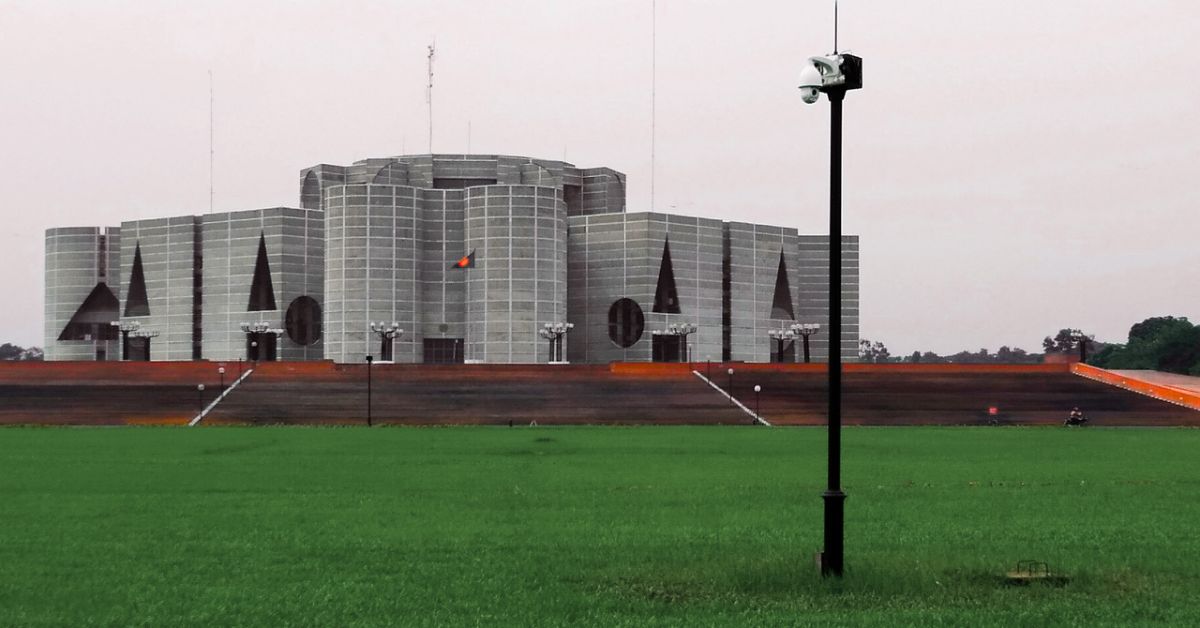

The Bangladesh BNP has secured a decisive two-thirds parliamentary majority in the country’s first national election since last year’s Gen Z-led uprising, marking a dramatic shift in the political landscape and signaling a new phase in Bangladesh’s governance.
The election was widely viewed as a referendum on stability, institutional reform, and public trust. With turnout surpassing 60 percent, voters delivered one of the clearest mandates in recent parliamentary history. The result gives the Bangladesh BNP broad authority to legislate and potentially introduce constitutional reforms.
For many citizens, this vote represented more than a routine democratic exercise. It followed months of protest, uncertainty, and demands for systemic accountability.
The Election After Unrest
The parliamentary election took place against the backdrop of sustained political turbulence. In 2024, student-led demonstrations escalated into a nationwide movement calling for transparency, electoral reform, and limits on executive authority.
The protests reshaped public discourse. Young voters, many participating in national elections for the first time, expressed frustration over economic challenges, governance standards, and political concentration of power.
By the time voters returned to polling stations, the political atmosphere had shifted significantly. The Bangladesh BNP positioned itself as the vehicle for reform within the constitutional framework, promising institutional recalibration rather than confrontation.
Observers described the election as competitive, with thousands of candidates from dozens of parties contesting seats.
How Bangladesh BNP Secured the Majority
Pre-election surveys suggested strong support for the opposition coalition, but the scale of the victory exceeded some expectations. The Bangladesh BNP and its allies secured more than two-thirds of the 300-seat Jatiya Sangsad, crossing the threshold necessary for major legislative authority.
Such a majority grants the incoming leadership the power to introduce structural reforms without relying heavily on cross-party coalitions. However, it also increases expectations for responsible governance.
Party officials responded cautiously to the results. Rather than organizing mass celebrations, leaders urged calm and unity, signaling awareness of the polarized political environment that preceded the vote.
Political analysts say the decisive outcome reflects both disciplined campaigning and the broader realignment triggered by last year’s youth movement.
The Impact of the Gen Z Movement
The youth-led protests of 2024 fundamentally altered Bangladesh’s political conversation. Initially centered on campus activism, the demonstrations evolved into a nationwide call for reform.
Young citizens demanded electoral oversight, judicial independence, and mechanisms to prevent concentration of executive authority. While not formally led by the Bangladesh BNP, the party capitalized on the reform momentum by presenting itself as capable of translating civic energy into parliamentary action.
The election results suggest that many voters viewed participation as a continuation of that movement through constitutional means.
New political groups formed during the protests gained limited representation, but the dominant share of votes consolidated behind established parties.
Leadership and Reform Priorities
The leadership of Bangladesh BNP has outlined an agenda centered on governance reform and economic stabilization. Campaign commitments included:
- Strengthening anti-corruption frameworks
- Expanding judicial independence
- Introducing term limits for executive leadership
- Increasing parliamentary transparency
- Enhancing representation of women
Party leaders have also emphasized rebuilding trust between institutions and citizens. Delivering on those promises will require coordination across ministries and sustained administrative capacity.
Policy experts caution that large parliamentary majorities can accelerate reform, but they can also create governance risks if checks and balances are not carefully preserved.
Economic Implications
Bangladesh’s economy, anchored by its garment export sector, experienced volatility during months of unrest. Supply chain disruptions and investor caution slowed growth projections.
The clear electoral mandate may reduce political uncertainty, potentially stabilizing financial markets and restoring confidence among foreign investors.
Inflation management, currency stability, and trade continuity remain immediate priorities. The Bangladesh BNP has pledged to protect export competitiveness while expanding social protections for lower-income households.
Economic analysts suggest that early policy clarity will determine whether the election translates into sustained recovery.
Constitutional Reform and Governance
Alongside parliamentary voting, citizens participated in discussions about constitutional reform. Public sentiment appears to favor mechanisms that prevent concentration of power and enhance institutional oversight.
Legal scholars note that constitutional amendments require careful drafting to maintain balance between efficiency and accountability.
If reforms proceed, they could reshape executive authority and electoral processes for future generations.
The two-thirds majority held by the Bangladesh BNP provides the mathematical capacity for such reforms, but political consensus will still matter in ensuring long-term stability.
Regional and Diplomatic Considerations
Bangladesh occupies a strategic position in South Asia, maintaining important relationships with India, China, and regional partners.
Diplomatic recalibration may follow the election, but abrupt shifts are unlikely. Trade cooperation, infrastructure development, and regional stability remain shared interests.
Foreign policy analysts suggest that internal stability enhances Bangladesh’s leverage in regional negotiations.
The new government is expected to pursue pragmatic diplomacy focused on economic growth and strategic balance.
Public Expectations and Political Stability
The scale of the victory places high expectations on the Bangladesh BNP. Citizens anticipate swift reforms, improved governance standards, and economic relief.
However, reform momentum must be managed carefully to prevent renewed polarization. Political reconciliation will likely play a key role in ensuring durable stability.
Administrative execution will also determine public perception. Campaign pledges must translate into measurable outcomes to sustain voter confidence.
Governance specialists emphasize that large mandates can strengthen democracy when accompanied by transparency and accountability.
What Comes Next
The election marks a turning point in Bangladesh’s political trajectory. The Bangladesh BNP now carries responsibility for navigating economic recovery, institutional reform, and social cohesion.
Whether this moment becomes a foundation for lasting democratic consolidation will depend on performance rather than rhetoric.
For now, voters have delivered a decisive message through the ballot box. The transition from protest to parliamentary authority reflects resilience within the democratic system.
The coming months will reveal how effectively that mandate is translated into reform.