

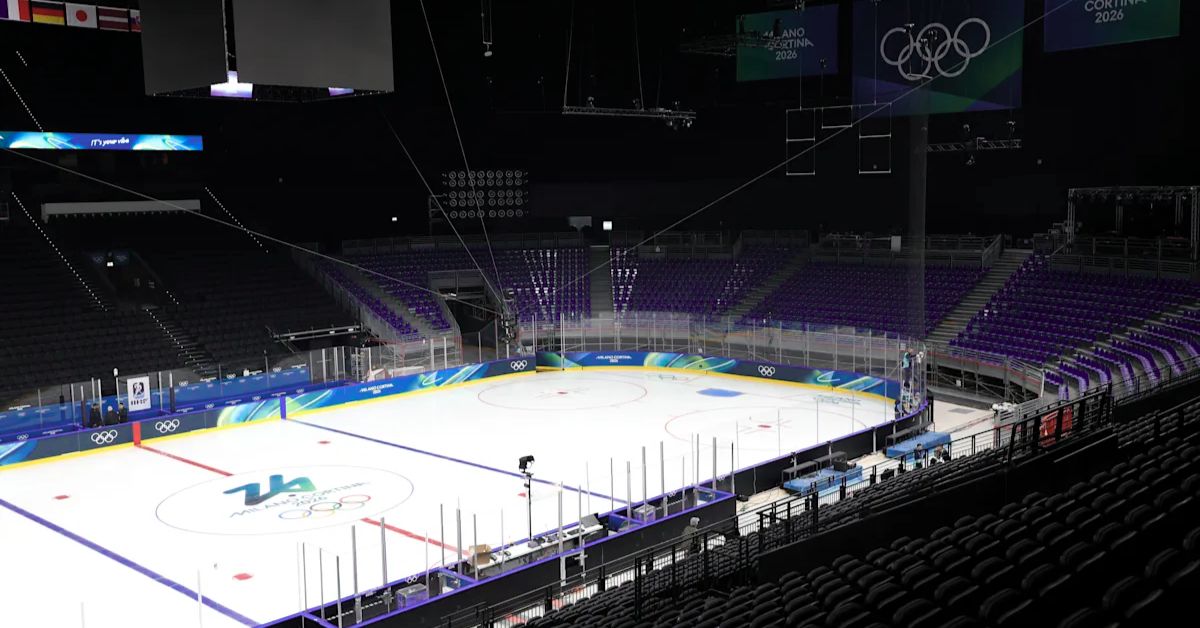

The Olympic spotlight has firmly settled on northern Italy as Milano Cortina prepares to host one of the most competitive Winter Games in recent memory. From the packed arenas to the snow-covered alpine venues, the atmosphere surrounding Milano Cortina reflects both tradition and transformation, as elite athletes push for early dominance in a tightly structured tournament format.
Milano Cortina 2026 is not just another edition of the Winter Olympics. It represents a return to full-strength international competition, particularly in men’s ice hockey, where NHL participation has dramatically altered the level of play. With established stars and rising prospects sharing the ice, the early rounds have already delivered tension, pace and unexpected outcomes.
A Tournament Built on Urgency
The format at Milano Cortina has introduced a sense of urgency from the opening puck drop. All 12 teams advance beyond the preliminary round, yet finishing first in a group provides a direct path to the quarterfinals. Those that fall short must compete in a qualification playoff, adding physical strain and raising the risk of elimination.
This structure has transformed early matchups into decisive contests rather than simple tune-ups. Coaches are managing minutes carefully, aware that depth and discipline could prove decisive later in Milano Cortina. Players, meanwhile, have shown little sign of easing into the tournament. The pace has been sharp from the first period onward.
In Group B, Slovakia, Finland, Sweden and Italy have quickly demonstrated contrasting styles. In Group C, the United States and Germany have emerged as early front-runners, each aware that the margins are slim in Milano Cortina.
Why Milano Cortina Matters for Olympic Hockey
For many players, Milano Cortina represents a rare convergence of Olympic prestige and NHL-level intensity. The absence of NHL talent in recent Games had shifted competitive balance, but the 2026 edition has restored the speed and tactical complexity fans associate with elite international tournaments.
Milano Cortina also carries symbolic weight. Italy’s shared hosting model has blended historic urban arenas with alpine landscapes, reinforcing the Winter Olympic identity. Hockey venues in Milan are filled with international supporters, creating an environment that amplifies every shift.
Beyond spectacle, Milano Cortina has become a proving ground for depth. Nations with layered scoring lines and disciplined defensive units have gained early advantages. The compressed schedule leaves little room for error.
Slovakia’s Early Statement
Slovakia has been among the most compelling stories in Milano Cortina so far. Entering the tournament without the same global attention as traditional powers, the team opened with two controlled performances that elevated its standing in Group B.
The Slovak roster has emphasized structure. Breakouts are clean, transitions are quick and special teams have been efficient. Their goaltending has remained steady under pressure, allowing the defense to maintain shape even when facing sustained attacks.
At Milano Cortina, Slovakia’s approach has balanced patience and aggression. Rather than chasing games, they have waited for defensive lapses and capitalized clinically. A third consecutive win would not only secure first place but send a broader message that the balance of power in Olympic hockey is evolving.
Sweden’s Response Under Pressure
Sweden entered Milano Cortina widely viewed as a medal favorite. A roster stacked with NHL defensemen and high-skill forwards suggested control in Group B. Yet an early setback exposed vulnerabilities in defensive coverage and neutral-zone transitions.
In Milano Cortina, Sweden’s coaching staff has emphasized adjustments rather than panic. Power-play units have been reconfigured, and defensive pairings have been altered to improve puck retrieval under pressure.
Sweden’s strength remains undeniable. Their ability to dictate tempo and stretch the ice creates constant scoring threats. However, Milano Cortina has shown that reputation alone does not guarantee dominance. The response to adversity may define Sweden’s Olympic trajectory.
Finland’s Composed Momentum
Finland has approached Milano Cortina with characteristic discipline. Known for defensive responsibility and elite goaltending, the Finnish squad has leaned into those traits.
Goaltenders have absorbed high shot volumes without sacrificing composure. Defensive rotations are precise, and puck management through the neutral zone has minimized turnovers. While offensive output has been measured rather than explosive, efficiency has defined Finland’s early games at Milano Cortina.
If Finland secures consistent secondary scoring, its balance could prove decisive. In a tournament where fatigue accumulates quickly, structure and conditioning matter deeply. Milano Cortina has rewarded teams capable of sustaining intensity across three periods.
United States Sets the Tone
In Group C, the United States delivered one of the most complete performances of the preliminary stage. Speed defined their opening game, with transitions executed at pace and scoring spread across multiple lines.
Milano Cortina has highlighted American depth. Ten different players registered points in one contest, reflecting both talent distribution and effective puck movement. The defensive unit has activated confidently, contributing offensively without compromising structure.
For the United States, Milano Cortina is as much about consistency as explosiveness. Avoiding unnecessary penalties and maintaining defensive discipline will be essential if they aim to convert early dominance into a medal run.
Germany’s Quiet Confidence
Germany has quietly positioned itself as a serious contender at Milano Cortina. A disciplined 3–1 victory over Denmark illustrated efficient scoring and strong netminding.
German forwards have balanced physical presence with calculated risk-taking. Their defensive structure has limited high-danger chances, allowing goaltenders to manage sightlines effectively.
Milano Cortina has become a stage where Germany’s tactical discipline could generate sustained success. If the offense continues to convert limited opportunities, Germany may advance deeper than many predicted.
Tactical Shifts Across Milano Cortina
The tempo of games at Milano Cortina has been notably faster than in previous Olympic editions. NHL-caliber speed has influenced forechecking intensity and defensive transitions.
Coaches have adapted by rolling four lines more consistently. Recovery windows between games are limited, making bench management a critical factor. Special teams have also played an outsized role in shaping outcomes.
Milano Cortina has underscored the importance of faceoff success and puck control. Teams dominating possession have dictated pace and limited exposure in their defensive zones.
The Stakes of Group Positioning
Finishing first in a group at Milano Cortina offers a strategic advantage that extends beyond prestige. Avoiding the qualification playoff conserves energy and reduces injury exposure.
Teams forced into additional elimination games must expend physical and emotional capital. In a tournament defined by thin margins, that difference can determine quarterfinal outcomes.
Milano Cortina’s structure ensures that every preliminary matchup carries implications. Even goal differential may influence final standings, heightening late-game urgency.
Broader Implications for the Tournament
As Milano Cortina progresses, narrative threads are already emerging. Slovakia’s surge challenges assumptions about hierarchy. The United States’ offensive depth signals renewed ambition. Finland’s composure reaffirms defensive identity.
Meanwhile, Sweden’s adjustments and Germany’s disciplined rise create additional layers of intrigue. The compressed schedule means that momentum can shift rapidly.
Milano Cortina has reminded observers that Olympic tournaments reward resilience as much as skill. Fatigue, recovery and adaptability often separate semifinalists from early exits.
What the Next Stage Could Bring
The coming days at Milano Cortina will clarify medal trajectories. Can Slovakia complete a group sweep? Will the United States secure sole control of Group C? Can Sweden regain rhythm?
As quarterfinal matchups approach, the cumulative toll of high-speed play will test conditioning. Coaches will weigh rest against rhythm, seeking the optimal balance.
Milano Cortina stands at a critical midpoint. The foundation built in the preliminary stage will either fortify contenders or expose weaknesses.
A Defining Chapter for Milano Cortina
The intensity unfolding in Italy signals that Milano Cortina may be remembered as a defining chapter in modern Olympic hockey. The blend of veteran leadership and emerging talent has created a dynamic rarely seen in recent Winter Games.
Milano Cortina has already delivered pace, structure and unpredictability. With elimination rounds looming, the emotional and tactical stakes will only escalate.
As fans fill arenas and millions watch globally, Milano Cortina continues to evolve from a host city into a narrative centerpiece of elite competition. Whether established powers reclaim control or new contenders rise, the drama unfolding on Italian ice confirms one reality:
Milano Cortina is not merely hosting the Olympics. It is shaping the story of them.