


The renewed debate surrounding Trump Greenland has moved back into international headlines, triggering fresh diplomatic reactions in Europe and renewed discussion in Washington.
Trump Greenland tensions are once again shaping conversations about Arctic sovereignty, NATO unity and long-term geopolitical strategy.
Background of the Trump Greenland Debate
The Trump Greenland issue first gained global attention in 2019 when then-President Donald Trump openly floated the idea of purchasing Greenland from Denmark. The proposal surprised diplomatic circles and prompted immediate resistance from Danish officials, who made it clear the Arctic territory was not for sale.
Although the initial controversy cooled, the Trump Greenland conversation never fully disappeared. It lingered in policy discussions about Arctic strategy, defense posture and mineral access. In 2026, renewed political commentary referencing earlier ambitions has once again brought the topic into focus.
Greenland is an autonomous territory within the Kingdom of Denmark. While Copenhagen manages foreign affairs and defense policy, Greenland exercises extensive self-governance over domestic matters. Any suggestion involving acquisition or ownership inevitably touches on sensitive questions of sovereignty.
The reappearance of the Trump Greenland narrative reflects deeper geopolitical currents rather than a single statement. Arctic security has grown more complex over the past decade, with climate change opening shipping lanes and intensifying global interest in northern resources.
Denmark’s Firm Response
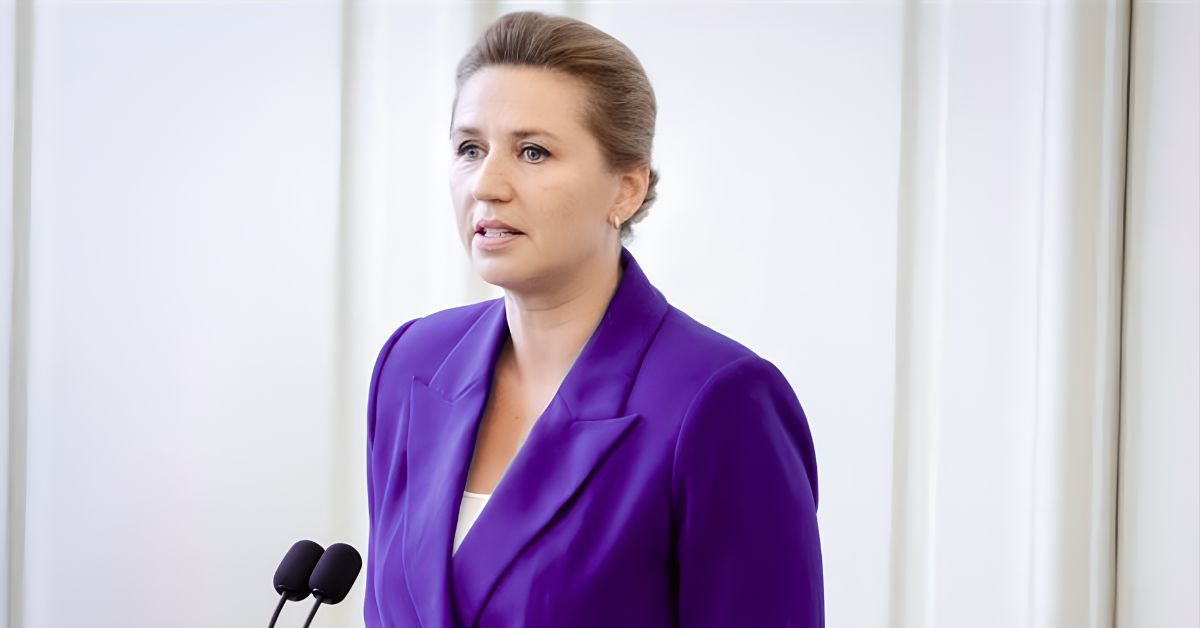
Danish Prime Minister Mette Frederiksen has reiterated a consistent position: Greenland’s future belongs solely to the people of Greenland. Danish officials have emphasized that sovereignty cannot be negotiated through external political rhetoric.
The renewed attention to Trump Greenland has prompted Copenhagen to restate its constitutional responsibilities. Denmark supports Greenland’s autonomy while also ensuring defense coordination through NATO frameworks.
Greenland’s own leadership has been equally direct. Officials in Nuuk have repeatedly underscored that any long-term political direction, including potential independence discussions, would be determined through democratic processes within Greenland.
The diplomatic tone surrounding Trump Greenland remains measured but cautious. While no active negotiations exist, the subject continues to influence perceptions across Europe.
Why Greenland Matters Strategically
The persistence of the Trump Greenland debate cannot be separated from geography. Greenland occupies a central position in the Arctic, situated between North America and Europe. Its location gives it outsized importance in missile detection systems, maritime routes and surveillance networks.
The United States operates Pituffik Space Base, formerly known as Thule Air Base, in northern Greenland. The installation plays a critical role in ballistic missile early-warning systems and space monitoring capabilities.
As Arctic ice coverage declines, new shipping passages are becoming seasonally viable. These evolving routes increase the strategic relevance of Arctic territories. The Trump Greenland discussion intersects directly with these shifting realities.
Greenland is also rich in rare earth minerals and other resources essential for renewable energy technologies and advanced manufacturing. Access to such materials has become increasingly important amid global competition.
Arctic Security and NATO Implications
Within NATO circles, Arctic defense planning has gained urgency. Denmark remains a committed member of the alliance, and Greenland’s territory contributes significantly to the alliance’s northern defense posture.
The Trump Greenland issue has occasionally complicated diplomatic optics but has not disrupted operational cooperation. U.S. and Danish defense officials continue to coordinate on Arctic readiness and infrastructure modernization.
Arctic security now involves more than territorial concerns. It encompasses cyber resilience, satellite monitoring and energy security. The revival of Trump Greenland rhetoric highlights how quickly symbolic statements can affect alliance dynamics.
European leaders are particularly attentive to messaging around sovereignty. Smaller nations often view territorial language through the lens of historical experience. For that reason, the Trump Greenland debate carries weight beyond policy substance.
Political Context in the United States
The resurfacing of Trump Greenland commentary coincides with renewed political momentum in U.S. domestic discourse. As election cycles intensify, foreign policy themes often re-emerge in campaign narratives.
While there is no formal policy initiative advocating acquisition, the language associated with Trump Greenland has become part of broader debates about national security and global influence.
Political analysts note that Arctic strategy may gain prominence regardless of electoral outcomes. Energy independence, critical minerals and military positioning remain bipartisan interests.
In this context, the Trump Greenland issue functions less as a literal proposal and more as a symbol of assertive strategic thinking.
Greenland’s Autonomy and Self-Determination
Greenland has steadily expanded its autonomy over recent decades. Under the 2009 Self-Government Act, Greenland gained authority over judicial matters and natural resource management.
Public opinion within Greenland remains diverse regarding long-term independence from Denmark. However, there is broad consensus that decisions must originate internally. The Trump Greenland narrative has therefore reinforced discussions about identity and sovereignty.
Greenlandic leaders continue to stress partnership rather than transactional arrangements. Economic cooperation with international actors remains welcome, but ownership debates are viewed as incompatible with self-determination.
The continued references to Trump Greenland underscore how sensitive questions of territory remain in global politics.
Economic and Climate Dimensions
Greenland’s mineral wealth has drawn increasing international attention. Rare earth elements located beneath its surface are vital for electric vehicles, wind turbines and advanced electronics.
The Trump Greenland debate frequently references these resources, as well as the strategic advantages associated with Arctic infrastructure.
At the same time, Greenland is at the forefront of climate change impacts. Melting ice sheets contribute significantly to global sea-level rise. Scientific research stations across the island monitor environmental changes that affect the entire planet.
Balancing development with environmental protection remains one of Greenland’s central challenges. Discussions surrounding Trump Greenland inevitably intersect with economic and ecological considerations.
Diplomatic Outlook
For now, the immediate likelihood of territorial negotiations remains minimal. Diplomatic channels between Washington and Copenhagen are active and stable.
Still, the symbolic resonance of Trump Greenland continues to shape media narratives. Even rhetorical proposals can leave lasting impressions in diplomatic memory.
Experts expect Arctic geopolitics to intensify over the next decade. As climate patterns reshape accessibility, Greenland’s importance will grow rather than diminish.
The renewed focus on Trump Greenland illustrates how geography, politics and security converge in the Arctic.
Broader Implications
The episode reflects evolving strategic competition in high-latitude regions. Countries including Russia and China have expanded Arctic activity, prompting Western nations to strengthen coordination.
Within that broader context, Trump Greenland represents more than a headline. It highlights how territorial language can influence alliance cohesion and public trust.
Denmark continues to reaffirm Greenland’s autonomy while strengthening defense cooperation. The United States maintains its presence through existing agreements without challenging sovereignty.
The ongoing attention to Trump Greenland signals that Arctic strategy is entering a new phase of global importance.
Conclusion
The revival of the Trump Greenland discussion underscores the Arctic’s rising prominence in global affairs. While no formal acquisition plan exists, the issue continues to influence diplomatic dialogue and public perception.
Denmark and Greenland have clearly reaffirmed their commitment to sovereignty and democratic choice. Meanwhile, NATO cooperation in the Arctic remains intact.
As climate change reshapes northern landscapes and geopolitical competition intensifies, Greenland’s strategic value will only expand. The Trump Greenland debate serves as a reminder that rhetoric and strategy often intersect in unexpected ways.
Ultimately, the renewed focus on Trump Greenland reflects broader transformations in Arctic policy, alliance dynamics and global security planning.