

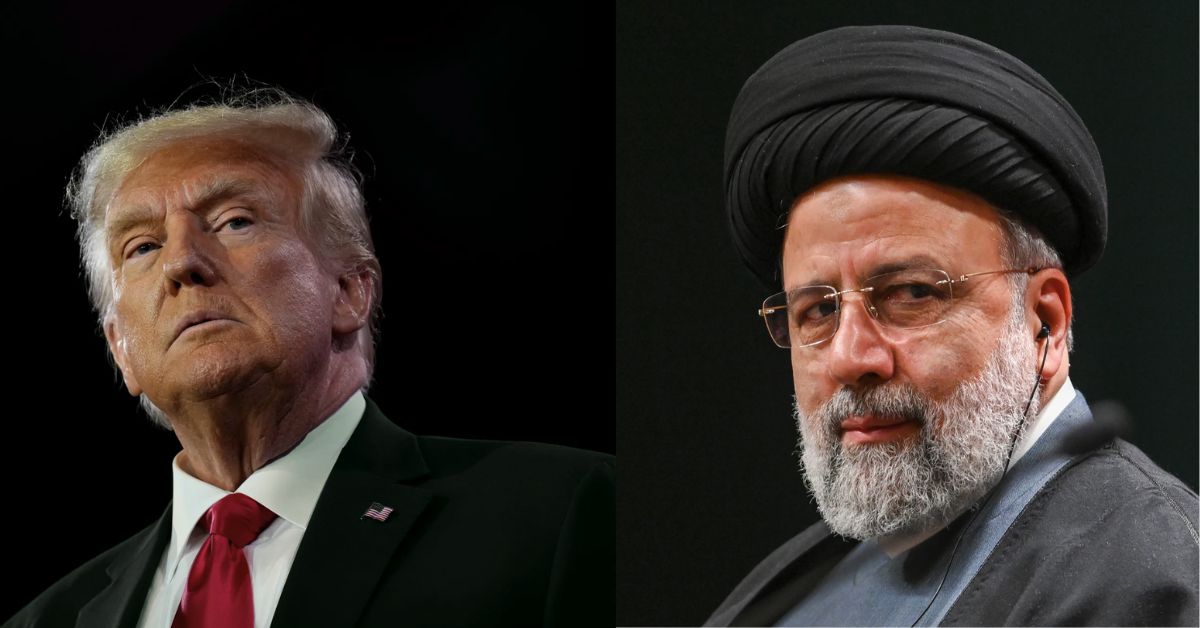

Diplomacy between Washington and Tehran has entered a fragile new phase, with negotiations unfolding against a backdrop of military signaling and political mistrust. Officials from both sides describe the latest discussions as constructive but incomplete, reflecting the complexity of the moment.
U.S.-Iran Nuclear
The renewed diplomatic effort represents one of the most sensitive geopolitical developments of 2026. While talks are ongoing in Geneva, public statements from both capitals reveal deep caution. The stakes extend far beyond bilateral relations, touching global energy markets, regional stability, and international nonproliferation norms.
U.S.-Iran Nuclear talks resume amid cautious diplomacy
The current round of U.S.-Iran Nuclear discussions marks the most serious diplomatic engagement between the two countries in recent years. Negotiators have described the atmosphere as professional but restrained, with both sides testing the limits of compromise. Diplomatic sources indicate that broad principles have been outlined, though detailed commitments remain under debate.
For Washington, the U.S.-Iran Nuclear framework is centered on preventing further escalation of uranium enrichment while preserving leverage through sanctions. American officials have emphasized that any agreement must include verifiable compliance measures. The language emerging from Geneva suggests that technical experts are deeply involved in drafting potential pathways forward.
Tehran, meanwhile, portrays the U.S.-Iran Nuclear dialogue as a necessary correction to years of economic pressure. Iranian officials argue that sanctions have inflicted significant strain on domestic industries and financial systems. Their position underscores the expectation that meaningful economic relief must accompany any new arrangement.
Observers note that the U.S.-Iran Nuclear process is unfolding with limited public visibility. Negotiations are indirect in structure, reflecting a lack of formal diplomatic relations. Even so, diplomats acknowledge that maintaining momentum is essential to avoid renewed confrontation.
Regional tensions complicate negotiations
Military developments in the Persian Gulf have added uncertainty to the U.S.-Iran Nuclear trajectory. Iranian state media recently highlighted security drills near strategic waterways, prompting international concern. Analysts warn that even symbolic military movements can complicate sensitive diplomatic progress.
The Strait of Hormuz remains central to the broader U.S.-Iran Nuclear environment. As a critical corridor for global oil shipments, any disruption would reverberate across energy markets. Traders are closely monitoring signals from both governments, aware that geopolitical missteps could trigger price volatility.
American defense officials have described regional deployments as precautionary, aimed at protecting maritime routes. Yet such measures inevitably intersect with the U.S.-Iran Nuclear narrative, reinforcing perceptions of parallel tracks—dialogue on one hand, deterrence on the other. This dual dynamic shapes the broader diplomatic landscape.
Security analysts suggest that the sustainability of U.S.-Iran Nuclear progress depends on careful management of these parallel signals. A single miscalculation at sea or in the air could overshadow months of negotiation. For now, both sides appear intent on preventing escalation.
Political messaging from Washington and Tehran
Public rhetoric has become an integral part of the U.S.-Iran Nuclear equation. Leaders on both sides are balancing domestic political pressures with diplomatic considerations. Statements are calibrated not only for international audiences but also for internal constituencies.
In Washington, policymakers stress that the U.S.-Iran Nuclear approach must protect long-term security interests. Officials have repeated that sanctions relief cannot proceed without tangible nuclear restrictions. Lawmakers from both parties continue to scrutinize the process, reflecting bipartisan sensitivity to the issue.
Tehran’s leadership frames the U.S.-Iran Nuclear negotiations as a matter of sovereignty and economic survival. Iranian officials insist that any future arrangement must recognize the country’s right to peaceful nuclear development. This insistence shapes the tone and pace of discussions.
Political analysts argue that the success of the U.S.-Iran Nuclear process depends as much on domestic calculations as on technical agreements. Leaders must convince their respective publics that diplomacy serves national interests. Without political backing at home, even carefully drafted proposals may falter.
Core disputes remain unresolved
Despite cautious optimism, significant gaps persist within the U.S.-Iran Nuclear framework. Sanctions relief, verification mechanisms, and enrichment thresholds remain central points of contention. Diplomats acknowledge that bridging these differences will require incremental confidence-building measures.
Verification stands at the heart of the U.S.-Iran Nuclear challenge. International monitoring bodies are expected to play a key role in ensuring transparency. Any new agreement would likely expand inspection protocols, aiming to rebuild trust that eroded in recent years.
Economic considerations also weigh heavily on the U.S.-Iran Nuclear dialogue. Iranian officials seek measurable relief from financial restrictions, while Washington prefers phased concessions tied to compliance benchmarks. This sequencing debate has slowed progress but remains negotiable.
Strategists caution that the U.S.-Iran Nuclear negotiations cannot be isolated from broader regional dynamics. Israel, Gulf states, and European powers are all observing closely. Their security calculations influence the diplomatic environment, even if they are not directly at the table.
Global implications of the negotiations
The international community views the U.S.-Iran Nuclear talks as a bellwether for multilateral diplomacy. A successful outcome could reinforce global nonproliferation norms and stabilize markets. Failure, by contrast, might intensify regional rivalries and accelerate arms competition.
Energy markets respond quickly to developments linked to U.S.-Iran Nuclear headlines. Even subtle shifts in diplomatic tone can move crude prices. Investors interpret progress as a sign of reduced risk, while setbacks raise concerns about supply disruptions.
Beyond economics, the U.S.-Iran Nuclear issue carries symbolic weight. It tests whether sustained dialogue can overcome decades of mistrust. Diplomats involved in the process describe it as painstaking, emphasizing that breakthroughs often emerge slowly rather than dramatically.
Scholars of international relations note that the U.S.-Iran Nuclear negotiations reflect a broader pattern in global diplomacy: adversaries maintaining deterrence while pursuing limited cooperation. This delicate balance defines modern statecraft.
A fragile path forward
As discussions continue, the trajectory of the U.S.-Iran Nuclear process remains uncertain. Officials speak of incremental steps rather than sweeping agreements. This gradual approach reflects both caution and realism.
Diplomats involved in the U.S.-Iran Nuclear talks suggest that confidence-building measures may precede any comprehensive accord. Temporary enrichment caps or limited sanctions adjustments could serve as early indicators of goodwill. Such steps would not resolve all disputes but could prevent immediate escalation.
Analysts emphasize that patience is essential. The U.S.-Iran Nuclear dispute has evolved over decades, shaped by shifting alliances and historical grievances. Resolving it will likely require sustained engagement rather than a single summit.
For now, the world watches as negotiators weigh compromise against principle. The outcome of the U.S.-Iran Nuclear dialogue will influence not only bilateral relations but also the broader architecture of regional security.
In Geneva’s conference rooms, diplomacy advances cautiously. Outside, military deployments and political rhetoric remind observers of the stakes. Whether these negotiations yield durable stability remains uncertain, but the persistence of dialogue signals that neither side is prepared to abandon diplomacy entirely.