

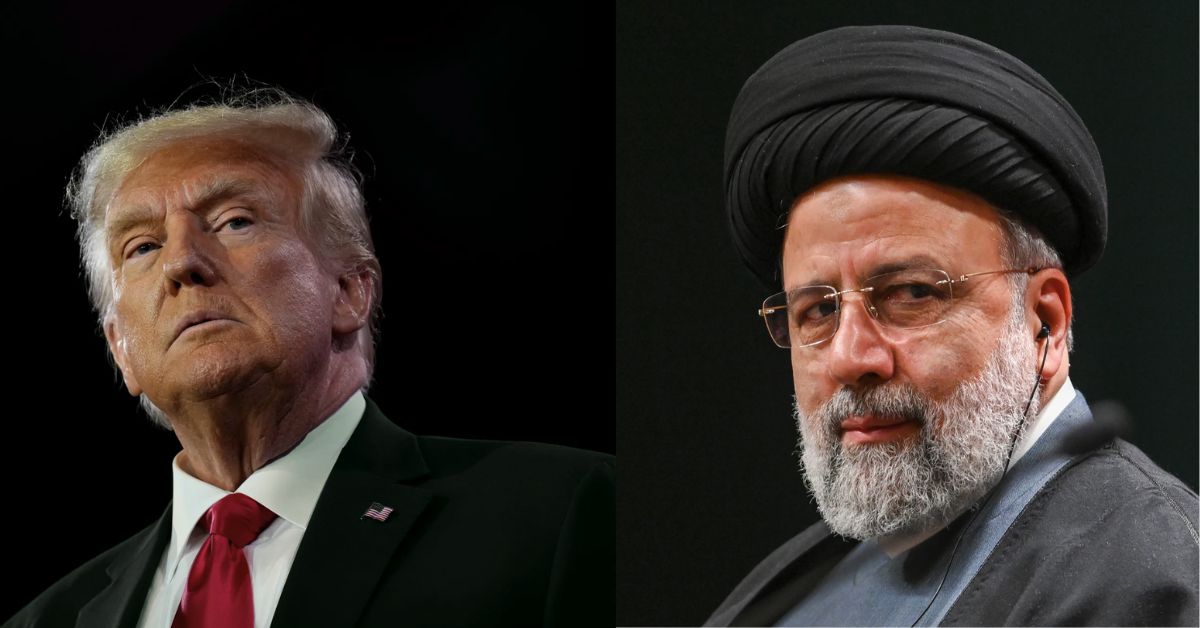

The debate over Iran’s nuclear ambitions has entered another defining moment in Washington. President Donald Trump has publicly stated that the coming 10 days will determine whether negotiations with Tehran can produce a workable agreement or whether the standoff will intensify.
Trump Iran nuclear deal
That phrase has once again become central to American foreign policy discussions, dominating briefings, intelligence assessments, and diplomatic channels across multiple continents.
A 10-Day Window That Reshapes Diplomacy
President Trump’s decision to define a roughly 10-day timeframe has introduced urgency into negotiations that have moved cautiously for months. The Trump Iran nuclear deal discussions had previously followed a slower rhythm, with indirect diplomatic exchanges and technical consultations shaping the dialogue.
By establishing a clear public window, the administration has shifted both perception and pressure. Diplomats familiar with the matter suggest that such public timelines serve two purposes: they signal seriousness to Iran’s leadership while reassuring domestic audiences that progress is being evaluated carefully.
The Trump Iran nuclear deal now stands at what officials describe as a decisive juncture. Negotiators are assessing whether Tehran is prepared to accept meaningful restrictions on uranium enrichment, enhanced inspections, and verification mechanisms that go beyond prior agreements.
Behind closed doors, intelligence agencies are reportedly reviewing enrichment data and compliance metrics. Officials have emphasized that the ultimate goal remains preventing Iran from obtaining nuclear weapons capability.
Strategic Pressure Behind the Scenes
Diplomacy rarely unfolds in isolation. While talks continue, strategic signaling plays an equally important role. The Trump Iran nuclear deal framework is being shaped not only by negotiating language but also by visible demonstrations of readiness.
Senior defense officials have reiterated that deterrence remains a pillar of American strategy. Naval assets, air defense systems, and rapid response forces are positioned throughout the region. Analysts note that such positioning is not necessarily an indication of imminent conflict, but rather a tool designed to influence negotiation dynamics.
This layered approach combining negotiation with visible readiness has defined much of the administration’s foreign policy posture. Supporters argue that pressure strengthens leverage. Critics caution that elevated military presence risks miscalculation.
The Trump Iran nuclear deal debate, therefore, exists at the intersection of diplomacy and deterrence, where both language and logistics shape outcomes.
Military Posture and Regional Calculations
Across the Middle East, governments are closely monitoring developments. The Trump Iran nuclear deal has implications not only for Washington and Tehran but also for neighboring states whose security calculations depend on regional stability.
Military analysts point out that deterrence strategies aim to prevent escalation rather than provoke it. Aircraft carriers and advanced fighter deployments serve as signals of capability. Such signals are intended to reduce uncertainty by making potential consequences clear.
Yet history demonstrates that signals can be interpreted in different ways. Regional leaders are weighing whether the defined 10-day window signals a diplomatic push or an inflection point toward tougher measures.
The administration has consistently maintained that diplomacy is preferred. However, officials also emphasize that alternative paths remain available should negotiations stall.
The Nuclear Enrichment Dispute
At the heart of the Trump Iran nuclear deal discussion lies uranium enrichment. Enrichment levels determine whether nuclear material is suitable for civilian energy production or capable of being diverted toward weapons development.
Under previous agreements, Iran accepted strict limits on enrichment percentages and stockpile sizes. Following the US withdrawal from the 2015 accord, Tehran gradually expanded its enrichment activities beyond those limits.
Technical experts explain that higher enrichment levels reduce the so-called “breakout time” the period required to accumulate sufficient material for a weapon. Western governments have expressed concern that expanded enrichment could shorten that timeline significantly.
The Trump Iran nuclear deal negotiations seek to reestablish strict caps, accompanied by enhanced monitoring. The key question is whether Tehran will agree to deeper constraints in exchange for sanctions relief.
Verification mechanisms remain central to any potential agreement. Without transparency and inspection access, diplomats acknowledge that compliance cannot be assured.
Economic Leverage and Sanctions
Sanctions form the backbone of American leverage in the Trump Iran nuclear deal process. Over several years, restrictions targeting oil exports, banking channels, and financial transactions have placed sustained pressure on Iran’s economy.
Supporters of the strategy argue that sanctions compel negotiation. Critics counter that prolonged economic hardship may harden political positions rather than soften them.
Iran’s currency fluctuations, reduced export revenues, and constrained foreign investment are often cited as evidence of economic strain. At the same time, Tehran has demonstrated resilience by developing alternative trade partnerships.
The Trump Iran nuclear deal negotiations hinge on whether sanctions relief can be calibrated in a way that incentivizes compliance while preserving accountability.
Economists observe that energy markets are particularly sensitive to developments. Even statements hinting at progress or collapse can influence global oil prices.
Political Stakes in Washington
The Trump Iran nuclear deal carries significant domestic political implications. Foreign policy decisions involving nuclear proliferation often generate bipartisan debate.
Supporters within the administration argue that a revised agreement could address what they consider shortcomings in earlier frameworks. They advocate for longer restrictions, broader inspection authority, and limitations on missile programs.
Opponents warn that public deadlines may reduce negotiating flexibility. Some lawmakers have called for detailed briefings to ensure that congressional oversight remains robust.
Public opinion remains divided. Some Americans favor sustained pressure. Others emphasize diplomatic engagement as the safest path to prevent conflict.
The administration’s 10-day window has sharpened these debates. Lawmakers from both parties are closely watching developments.
Tehran’s Strategic Dilemma
Inside Iran, leaders face their own calculations. The Trump Iran nuclear deal discussion is not occurring in a vacuum. Domestic politics, economic realities, and regional alliances shape Tehran’s approach.
Iranian officials have consistently asserted that enrichment for civilian purposes is permitted under international law. At the same time, they acknowledge the economic impact of sanctions.
Political analysts suggest that Tehran must balance sovereignty narratives with pragmatic economic considerations. Accepting strict limits could ease economic strain but may be framed internally as concession.
The next several days will reveal whether Iranian leadership believes compromise aligns with national interest.
Regional Security and Global Energy
The Trump Iran nuclear deal debate extends beyond nuclear technicalities. It influences broader regional security.
The Strait of Hormuz remains one of the most strategically sensitive waterways in the world. A significant share of global oil supply passes through this narrow channel. Even perceived instability can increase shipping insurance costs and commodity volatility.
Energy markets have responded cautiously to the administration’s timeline announcement. Traders are assessing whether the window suggests imminent resolution or extended uncertainty.
Regional governments have publicly urged restraint. Many emphasize the importance of avoiding escalation that could disrupt economic recovery.
Historical Context of US-Iran Nuclear Talks
The Trump Iran nuclear deal negotiations build upon decades of tension. The 2015 Joint Comprehensive Plan of Action marked a rare moment of diplomatic convergence among world powers.
After the US withdrawal in 2018, relations deteriorated rapidly. Sanctions were reinstated. Iran reduced compliance. Trust eroded.
The current framework differs in tone and structure. Administration officials emphasize stronger enforcement and clearer consequences.
Observers note that lessons from prior agreements are shaping current demands. Enhanced verification and extended timelines appear central to Washington’s objectives.
Diplomatic Signaling and Strategic Ambiguity
Public timelines can serve as diplomatic tools. The Trump Iran nuclear deal announcement of a 10-day period may reflect strategic ambiguity.
Strategic ambiguity aims to maintain leverage by avoiding rigid commitments. It allows negotiators flexibility while signaling resolve.
However, such ambiguity can also generate uncertainty among allies and markets. The administration must manage expectations carefully to avoid unintended escalation.
Intelligence Assessments and Monitoring
Intelligence agencies play a crucial role in shaping policy decisions. The Trump Iran nuclear deal evaluation relies on technical monitoring, satellite imagery, and inspection data.
Officials emphasize that decisions will be grounded in evidence rather than speculation. Transparency and verification are essential components of any agreement.
Experts underscore that nuclear agreements are only as strong as their inspection regimes.
Global Reactions
International partners are watching developments closely. European governments have encouraged continued negotiation. Asian markets are monitoring potential energy impacts.
The Trump Iran nuclear deal has become a focal point of global diplomacy once again.
Allies seek stability. Rival powers are observing how the administration balances pressure with engagement.
What Happens After the Deadline?
Three broad scenarios are being discussed.
A diplomatic breakthrough could emerge if Iran signals willingness to accept strict enrichment caps and inspections.
Extended negotiations might continue beyond the 10-day period, maintaining dialogue while avoiding escalation.
Escalation remains the least desired outcome, though policymakers acknowledge that contingency plans exist.
The Trump Iran nuclear deal trajectory depends heavily on decisions made within this defined window.
A Diplomatic Crossroads
The coming days will likely determine whether the Trump Iran nuclear deal evolves into a renewed framework or remains an unresolved standoff.
President Trump’s public declaration has focused attention on a narrow timeframe. Diplomats are working intensively. Military planners remain vigilant. Markets remain alert.
History shows that nuclear diplomacy rarely follows a predictable script. Negotiations can pivot unexpectedly.
What remains clear is that the Trump Iran nuclear deal stands at a critical crossroads. The administration must weigh strategic leverage against diplomatic opportunity.
The next chapter will shape regional stability, economic confidence, and international nonproliferation efforts.
As the 10-day window narrows, policymakers across capitals are calculating risks and rewards. The outcome will reverberate far beyond Washington and Tehran.
For now, diplomacy remains active. Pressure remains visible. The world waits to see whether the Trump Iran nuclear deal moves toward resolution or confrontation.