

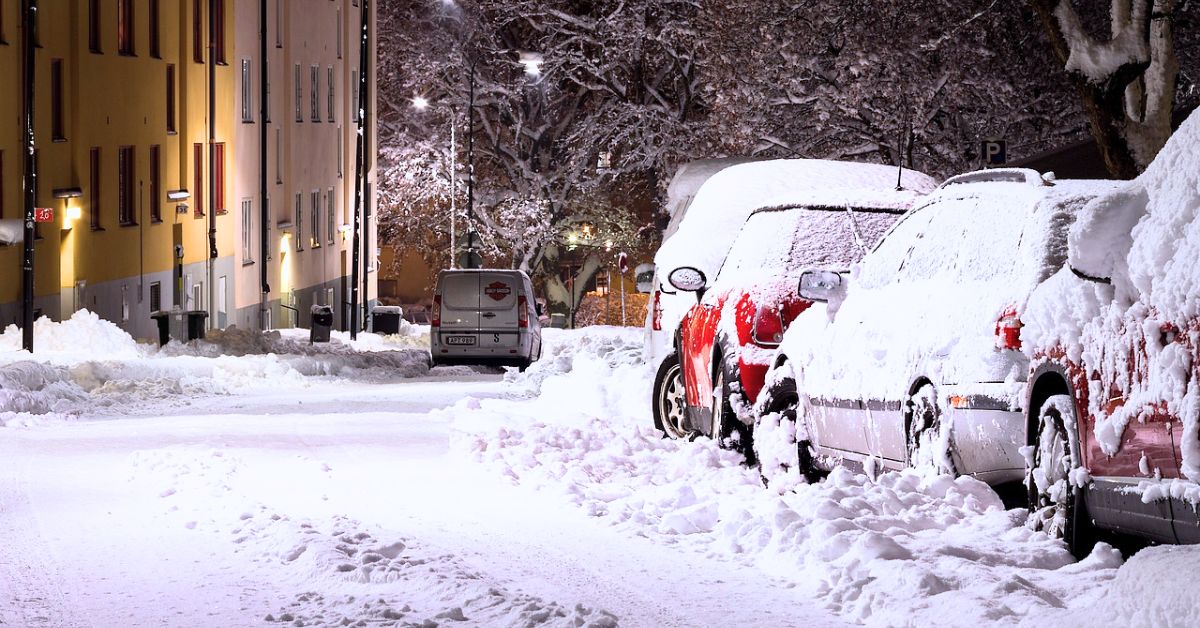

The Winter Storm has unleashed sweeping disruption across the US Northeast, forcing emergency declarations, halting travel, and straining public infrastructure in multiple states.
From Washington to Maine, the powerful Winter Storm has brought heavy snowfall, coastal wind gusts exceeding 40 miles per hour, and blizzard-like conditions that have paralyzed daily life. Governors activated emergency resources, airports grounded thousands of flights, and transit systems suspended operations as officials urged residents to remain indoors.
Meteorologists described the system as one of the most severe winter weather events of the season, intensifying rapidly along the Atlantic corridor. Snow totals vary by location, but several major metropolitan areas are reporting accumulations between 10 and 20 inches, with localized bands producing even higher amounts.
The Winter Storm developed offshore before strengthening into a powerful coastal system, feeding on temperature contrasts between land and ocean waters. By early morning, whiteout conditions were reported in parts of New York, Massachusetts, and Connecticut.
Emergency Declarations Across the US Northeast
Officials across the US Northeast issued emergency declarations as the Winter Storm intensified overnight. In New York, state authorities mobilized snowplows, activated National Guard units, and opened warming centers in areas expecting the heaviest snowfall.
Massachusetts followed with similar measures, urging non-essential employees to remain home and implementing partial highway restrictions. Connecticut restricted certain commercial vehicles on major interstates to reduce accident risk during peak snowfall hours.
New Jersey declared a statewide emergency ahead of the storm’s arrival. Public schools in multiple counties announced closures, while city administrations shifted to remote operations to reduce road congestion.
The Winter Storm prompted coordinated emergency operations across state lines. Governors held joint briefings emphasizing that cooperation was critical as the system continued its northward track.
Winter Storm Forces Widespread Travel Shutdown
Transportation networks were among the hardest hit sectors as the Winter Storm intensified.
Interstate highways reported multiple vehicle spinouts and collisions during early snowfall hours. State police agencies increased patrols while urging residents to avoid non-essential travel.
Public transit systems across the US Northeast suspended or limited service. Commuter rail operations were reduced to essential routes, and bus services in major cities halted operations during peak snowfall periods.
Visibility in coastal areas dropped below one-quarter mile at times due to blowing snow and strong wind gusts. Officials stressed that travel restrictions were necessary to allow snow removal crews to operate efficiently.
The Winter Storm created hazardous driving conditions across both urban and rural corridors, compounding delays and slowing emergency response times.
Airports Struggle as Flights Are Canceled
Air travel disruptions escalated rapidly as the Winter Storm intensified along the Eastern Seaboard.
Major airports in New York, Boston, Newark, and Philadelphia reported thousands of cancellations. Airlines preemptively grounded flights to prevent aircraft from being stranded on snow-covered runways.
Passengers faced long lines and rebooking challenges as airline staff worked to accommodate schedule adjustments. Airport authorities deployed additional snow removal equipment and de-icing teams to maintain limited operations where possible.
The Winter Storm affected both domestic and international routes, disrupting connections nationwide. Aviation analysts warned that recovery could take several days, depending on runway clearing and aircraft repositioning efforts.
By midday, more than 5,000 flights across the United States had been canceled, with a significant concentration linked to the Winter Storm corridor in the US Northeast.
Winter Storm and Power Infrastructure Risks
Utility providers prepared for potential service interruptions as the Winter Storm placed stress on power infrastructure.
Heavy snow accumulation weighed down tree branches and power lines. Strong gusts increased the risk of fallen limbs damaging electrical equipment.
While widespread blackouts were not immediately reported, isolated outages affected suburban communities. Utility crews were positioned strategically to respond quickly to service disruptions.
Emergency management officials urged residents to charge electronic devices, prepare flashlights, and maintain adequate heating supplies. Warming centers were placed on standby in municipalities expecting prolonged snowfall.
The Winter Storm highlighted the vulnerability of aging infrastructure during severe weather events. Energy companies emphasized that pre-storm preparations helped reduce the scale of outages compared with previous storms of similar intensity.
Public Safety and Road Conditions
Law enforcement agencies described road conditions as treacherous throughout the height of the Winter Storm.
Snow-covered highways, drifting snow, and reduced visibility created dangerous driving environments. Several states issued advisories discouraging unnecessary travel.
Emergency responders handled multiple minor collisions and assisted stranded motorists in heavily affected counties. Officials stressed that even four-wheel-drive vehicles are not immune to icy surfaces and whiteout conditions.
The Winter Storm’s wind component created snow drifts that quickly re-covered cleared roadways, forcing snowplow operators to repeat routes throughout the day.
Authorities advised residents to avoid overexertion while shoveling snow, noting that sudden temperature drops can increase cardiovascular risks.
Economic Impact of the Winter Storm
The Winter Storm disrupted business operations across multiple industries in the US Northeast.
Retail stores in high-snowfall regions closed temporarily. Financial institutions and corporate offices transitioned to remote work arrangements to maintain continuity.
Logistics companies warned customers of shipment delays as road and air disruptions slowed supply chains. The region’s concentration of ports and distribution hubs amplified the ripple effect.
Small businesses, particularly restaurants and independent retailers, faced lost revenue during peak operating hours. Analysts estimate that large-scale winter weather events can generate millions of dollars in short-term economic losses.
The Winter Storm also impacted construction schedules, infrastructure projects, and regional tourism.
State and Local Government Response to the Winter Storm
State emergency operations centers remained active around the clock as the Winter Storm progressed.
National Guard units assisted with snow removal and logistical coordination in high-impact areas. State transportation departments deployed additional plow crews and brine treatment vehicles to major roadways.
Local governments opened shelters for residents experiencing power outages or heating disruptions. Public health officials monitored vulnerable populations, including elderly residents living alone.
The Winter Storm prompted coordinated messaging campaigns through television, radio, and mobile alerts to ensure residents remained informed of evolving conditions.
Officials emphasized that proactive preparation played a crucial role in reducing casualties and severe accidents.
Forecast and Duration of the Winter Storm
Meteorologists expect the Winter Storm to gradually weaken as it moves offshore. However, lingering snowfall and gusty winds may persist in coastal communities for several hours.
Temperatures are forecast to drop sharply behind the storm system, increasing the likelihood of icy conditions overnight. Refreezing could create additional hazards on untreated roads and sidewalks.
Forecasters indicated that while the heaviest snow bands have shifted northward, the Winter Storm’s residual effects may continue to disrupt transportation into the following day.
Residents were advised to monitor local weather updates and avoid travel until conditions stabilize.
Community Preparedness Measures During the Winter Storm
Emergency officials recommend several precautions during severe winter weather events.
Residents should maintain adequate food and water supplies, keep mobile devices charged, and dress in layered clothing to prevent exposure risks.
During the Winter Storm, community volunteers assisted elderly neighbors with snow clearing and grocery deliveries. Mutual aid efforts helped reduce strain on emergency services.
Fire departments reminded homeowners to ensure proper ventilation when using backup heating equipment. Carbon monoxide incidents often rise during extended power outages.
The Winter Storm demonstrated how coordinated community response enhances resilience during extreme weather events.
Recovery and Aftermath of the Winter Storm
As snowfall tapers off, attention shifts toward recovery and cleanup.
Transportation agencies will conduct infrastructure inspections before restoring full transit operations. Airports require runway clearing and safety assessments before resuming regular flight schedules.
Local governments will evaluate storm-related damage to public facilities, utilities, and roadways. Insurance claims may rise in areas experiencing roof collapses or property damage due to heavy snow loads.
The Winter Storm serves as a reminder of the region’s exposure to severe seasonal weather patterns.
While emergency crews remain active, officials express cautious optimism that the worst conditions have passed. Residents are encouraged to remain vigilant until travel advisories are lifted and essential services fully restored.
Conclusion
The Winter Storm has left a significant mark on the US Northeast, disrupting travel, business operations, and daily life for millions of residents.
Through coordinated emergency response and community preparedness, authorities aim to minimize long-term impacts. Although the Winter Storm continues to influence conditions in some areas, gradual stabilization is expected as the system moves offshore.
For now, officials urge patience, caution, and continued monitoring as the region transitions from crisis response to recovery.