

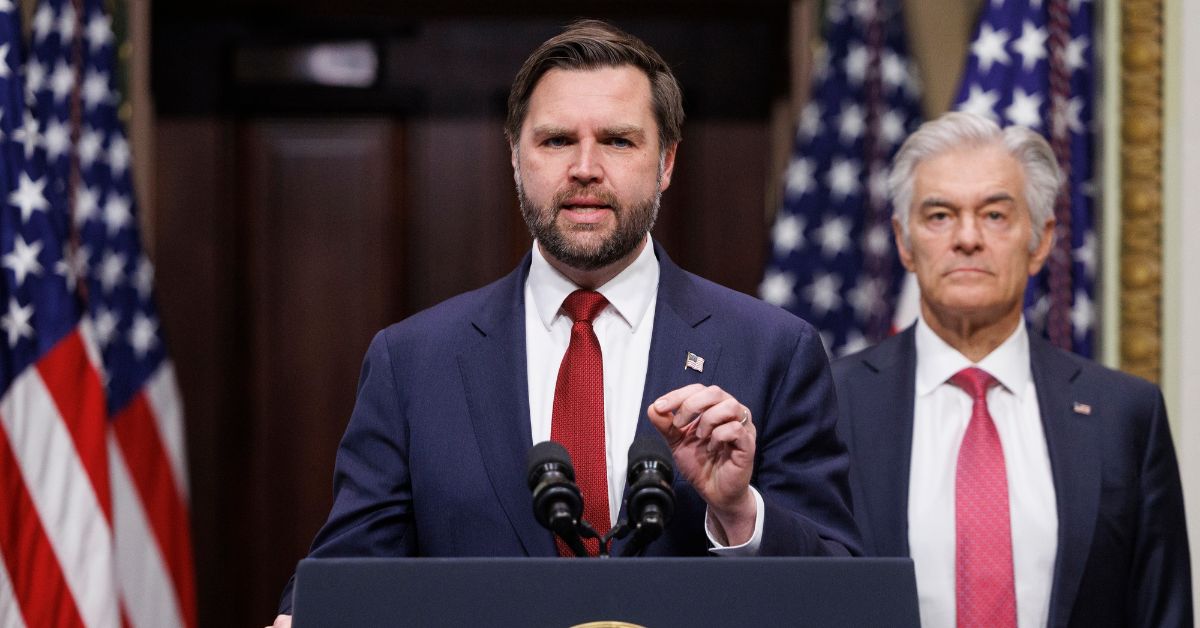

The Trump administration has halted Medicaid funding to Minnesota, placing the state at the center of a widening federal push to address alleged fraud in public benefit programs.
Officials said the action reflects heightened scrutiny of healthcare spending practices and signals a tougher approach toward states under review.
Minnesota.
Federal Action and Its Rationale
Federal officials announced that Medicaid payments directed to Minnesota would be suspended pending a compliance review. Vice President J.D. Vance described the decision as part of what President Donald Trump has characterized as a nationwide effort to eliminate improper payments.
Administration representatives said internal audits identified irregularities requiring further examination. While detailed findings have not yet been publicly released, officials argued that stronger oversight is necessary to protect taxpayer funds.
The move places Minnesota in a uniquely visible position within the administration’s enforcement strategy. Although other states may undergo review, this is the first instance in which funding has been publicly paused under the current initiative.
State Leaders Respond
Leaders in Minnesota reacted swiftly, calling for clarity on the scope and duration of the suspension.
The governor’s office stated that healthcare agencies have consistently complied with federal standards and expressed concern about disruptions to patient care. Lawmakers representing Minnesota in Congress signaled they are reviewing legal options if funding remains withheld.
Healthcare advocacy organizations within Minnesota warned that uncertainty could strain hospitals, particularly in rural communities where Medicaid reimbursements form a critical share of operating budgets.
Several officials emphasized that beneficiaries should not experience immediate changes to coverage while discussions continue between federal and state authorities.
How Medicaid Functions
Medicaid operates as a partnership between the federal government and individual states. In Minnesota, the program provides coverage to low-income residents, seniors, individuals with disabilities, and families in need of support.
Federal contributions represent a significant portion of the funding structure. If payments are paused for an extended period, the state may be required to bridge financial gaps temporarily.
Policy experts note that Medicaid systems are subject to layered oversight, including audits and reporting requirements. The review involving Minnesota raises questions about how compliance concerns are escalated and resolved within that framework.
For many residents, the program serves as a primary access point for essential services such as preventive care, hospital treatment, mental health support, and prescription medications.
Political and Legal Implications
The dispute has intensified political debate both within Minnesota and nationally.
Supporters of the federal action argue that firm oversight reinforces accountability and deters misuse of public funds. Critics contend that suspending payments before completing a review risks undermining healthcare stability.
Legal analysts say Minnesota could challenge the decision in federal court if it believes established procedures were not followed. Medicaid funding arrangements are governed by detailed statutory guidelines, and courts often examine whether enforcement steps align with those rules.
If litigation occurs, the outcome could shape how federal agencies interact with state-administered healthcare programs moving forward.
Impact on Healthcare Providers
Hospitals and clinics across Minnesota are assessing potential operational risks.
Even temporary funding interruptions can complicate staffing plans, reimbursement cycles, and long-term budgeting. Healthcare administrators say clarity is essential to avoid cascading effects on service delivery.
Rural providers may face particular vulnerability, as they typically operate with tighter financial margins. Medical associations representing practitioners in Minnesota have urged both sides to reach a timely resolution.
At this stage, officials have not indicated whether emergency measures will be implemented to prevent disruptions if the review extends beyond initial expectations.
Broader National Debate
The situation involving Minnesota reflects a broader national conversation about balancing fiscal oversight with healthcare access.
Across the country, policymakers are debating how to reduce improper payments while ensuring that eligible beneficiaries continue receiving services without interruption.
Some analysts argue that enforcement measures can strengthen program integrity if conducted transparently. Others caution that public messaging around fraud investigations must avoid politicizing healthcare policy.
As discussions unfold, states beyond Minnesota are closely monitoring developments to assess potential implications for their own Medicaid systems.
What Comes Next
For now, Minnesota awaits further clarification from federal agencies regarding the review timeline and criteria for reinstating funding.
State officials have indicated they are cooperating with requests for documentation and audit materials. Healthcare providers continue to operate under existing reimbursement structures while awaiting formal updates.
The coming weeks will determine whether the funding halt represents a short-term compliance review or signals a longer-term restructuring of oversight practices.
Regardless of the outcome, the decision has elevated Minnesota into a pivotal role within the ongoing national debate over healthcare accountability and federal authority.