

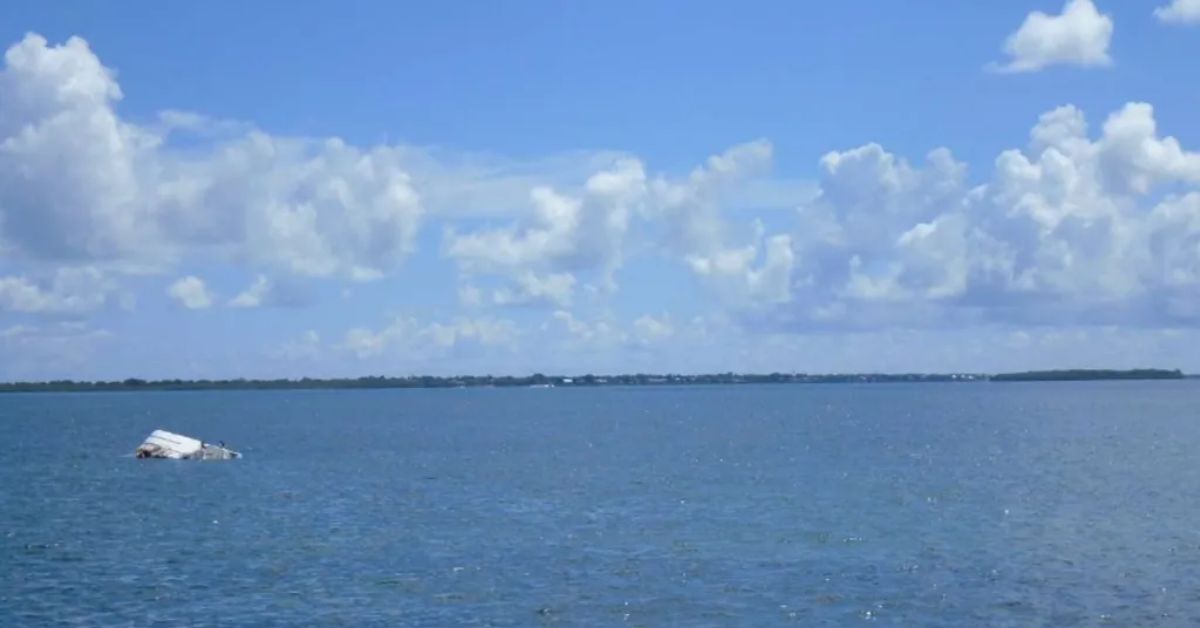

Havana — A U.S. citizen was among four individuals killed during an armed confrontation at sea involving security forces and a Florida-registered vessel near the northeastern coastline of Cuba, according to officials familiar with the investigation.
The incident has triggered diplomatic engagement between Washington and Havana, as both governments work to verify details surrounding the deadly encounter.
Authorities said the confrontation occurred after the vessel entered territorial waters under circumstances that prompted a military response. Six additional individuals were injured and taken into custody following the clash.
Background of the Maritime Confrontation in Cuba
Officials stated that the vessel involved in the confrontation was registered in Florida and had reportedly been declared stolen before appearing near the island’s coastal defense zone. Investigators are now examining the sequence of events that led to the armed exchange.
According to authorities, the individuals aboard the vessel were armed. Security forces responded after identifying what they described as a potential breach of maritime security protocols. The firefight that followed resulted in four fatalities.
The government in Cuba described the incident as a failed armed infiltration, saying national forces acted to defend territorial sovereignty. Officials added that investigations are ongoing to determine the full scope of the vessel’s intentions and its route prior to entering national waters.
The waters surrounding Cuba are heavily monitored due to migration activity, smuggling routes, and longstanding political tensions with the United States.
Government Statements and Official Accounts
Authorities confirmed that the four deceased individuals were identified as Michel Ortega Casanova, Hector Duani Cruz Correa, Pavel Alling Peña, and Ledián Padrón Guevara. At least one of them was a U.S. citizen, American officials later confirmed.
The Interior Ministry stated that six surviving individuals were transported to medical facilities before being placed in custody. Officials said evidence collection, including ballistic analysis and maritime tracking data, is underway.
President Miguel Díaz-Canel said Cuba would respond firmly to actions threatening national sovereignty. He emphasized that security forces operate under established defense protocols designed to protect territorial integrity.
A spokesperson for the government noted that information would continue to be shared once verified through official channels.
U.S. Response to the Cuba Boat Clash
The U.S. State Department confirmed that it is reviewing reports regarding the death of an American citizen in the incident. Officials said they have requested additional information and consular access where applicable.
Secretary of State Marco Rubio said the United States will conduct its own independent review before making formal conclusions. American authorities are also working with law enforcement in Florida to confirm reports that the vessel had been reported stolen.
Diplomatic channels between Washington and Cuba remain open, though incidents involving fatalities often require careful coordination.
Officials in the United States have not publicly commented on whether the individuals involved had prior criminal records or political affiliations.
Security Conditions Around Cuba’s Coastline
The coastline of Cuba has long been an area of close surveillance due to migration attempts and smuggling operations across the Florida Straits. Maritime enforcement units routinely patrol the waters to prevent unauthorized entry.
Security analysts note that armed confrontations at sea are rare but not unprecedented. Most maritime encounters typically involve interception rather than escalation.
Experts say the strategic location of Cuba makes maritime control a priority for national defense authorities. Strict enforcement policies aim to deter unauthorized landings and potential security risks.
Over the years, tensions between the United States and Cuba have influenced maritime policy enforcement on both sides.
Political and Legal Implications
The incident arrives at a sensitive moment in U.S.–Cuba relations. While diplomatic ties exist, policy differences continue to shape engagement between the two governments.
Legal experts say determining jurisdiction and proportional use of force will be central to ongoing investigations. If the vessel was indeed stolen, that element could significantly influence the narrative surrounding intent.
Authorities in Cuba have stated that two detained individuals were previously designated as wanted for security-related concerns. However, U.S. officials have not independently confirmed those claims.
International law generally permits coastal nations to enforce territorial boundaries within recognized maritime zones. The review process will likely examine whether protocols were followed on both sides.
Families Seeking Clarity
Relatives of the deceased have expressed grief and uncertainty. Some family members described the individuals as politically active, though officials have not confirmed motives behind the voyage.
Human rights observers have called for transparency in the investigation process. They are urging both governments to release verified findings once available.
Authorities in Cuba have maintained that the response was consistent with national defense policy. U.S. officials have emphasized the importance of factual verification before drawing conclusions.
The emotional toll on families has added urgency to calls for clear communication.
Investigations in Florida and Havana
Law enforcement in Florida is reviewing the theft report connected to the vessel. Officials are analyzing whether the boat’s reported theft is linked directly to the individuals involved in the confrontation.
Meanwhile, investigative teams in Cuba are examining navigation data and communications records. Maritime tracking systems are expected to provide insight into the vessel’s route and timing.
Coordination between agencies may take weeks as evidence is evaluated.
Both governments have indicated willingness to exchange relevant information.
Broader Diplomatic Considerations
Incidents involving U.S. citizens abroad often carry diplomatic weight. In this case, the presence of an American national among the deceased has intensified attention.
Observers say the handling of this situation may influence short-term diplomatic tone between Washington and Cuba. Transparent investigation procedures are likely to be a central demand from American officials.
While tensions have fluctuated in recent years, both governments have maintained communication mechanisms for addressing sensitive matters.
Experts caution against premature conclusions until full evidence is reviewed.
Historical Context of Maritime Tensions
The Florida Straits have historically been a corridor of migration, political exile, and economic movement. Over decades, maritime crossings have shaped the relationship between the United States and Cuba.
Though most crossings involve civilian vessels, authorities treat any armed presence seriously.
Maritime boundaries are recognized under international conventions, granting coastal states enforcement authority within territorial waters.
Past incidents have generally been resolved through diplomatic dialogue rather than prolonged escalation.
What Happens Next
Investigations on both sides remain active. Officials are expected to release additional information once forensic reviews and evidence assessments are completed.
The U.S. government has reiterated its intention to independently verify findings before issuing any formal response.
Authorities in Cuba say they remain open to communication with U.S. counterparts as the review continues.
For now, the focus remains on clarifying the exact circumstances that led to the deadly encounter and ensuring that conclusions are based on confirmed evidence.
The Cuba boat clash has raised difficult questions about maritime security, sovereignty, and accountability. As more details emerge, both governments will face scrutiny over how the situation unfolded and how it is addressed moving forward.