

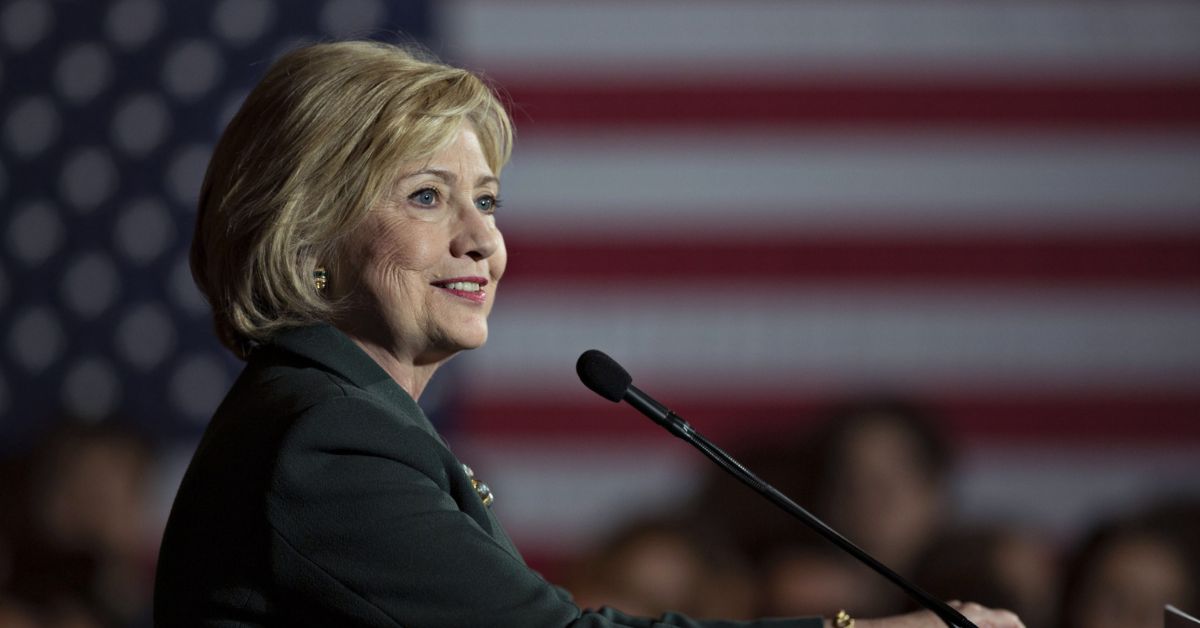

Former U.S. Secretary of State Hillary Clinton appeared before the House Oversight Committee for a closed-door deposition tied to ongoing congressional questions about Jeffrey Epstein’s network and associations.
Hillary Clinton told lawmakers she does not recall ever meeting Epstein and said she had no knowledge of his criminal conduct.
The session, which lasted several hours, unfolded amid heightened political scrutiny over Epstein’s past connections to public figures across political, academic, and business circles. While the deposition did not involve criminal charges, it represents another chapter in a long-running effort by lawmakers to examine unresolved questions tied to the late financier’s associations.
The testimony has sparked renewed debate in Washington, with both parties offering sharply different interpretations of the inquiry’s purpose.
Background of the Congressional Review
The House Oversight Committee has been examining various aspects of Jeffrey Epstein’s relationships with high-profile individuals. Lawmakers say the goal is to clarify the extent of social, professional, or charitable interactions Epstein may have had before his criminal conduct became widely known.
Hillary Clinton’s testimony was requested as part of that broader review.
Committee officials have emphasized that the inquiry is informational in nature. It does not represent a criminal proceeding but rather a fact-finding effort to establish an official record.
Epstein, who faced federal charges related to sex trafficking before his death in custody, maintained social connections with a range of public figures over decades. That network has remained the subject of public and political scrutiny.
Hillary Clinton and the Details of Her Deposition
During the closed-door session, Hillary Clinton stated that she has no recollection of meeting Epstein and denied ever traveling on his aircraft or visiting his residences.
According to individuals familiar with the testimony, Clinton was asked about public events, charitable activities, and possible social gatherings where Epstein might have been present. She responded that she did not recall any such encounters.
She also addressed questions regarding communications or introductions facilitated by third parties. In each instance, she maintained that she was unaware of any contact.
After the session concluded, she briefly spoke to reporters, describing the questioning as thorough but, at times, repetitive. She said she answered all inquiries truthfully and fully.
The deposition reportedly covered a wide range of topics, including the broader public controversy surrounding Epstein’s past relationships.
Political Response Following the Testimony
Reaction to the testimony reflected the deep partisan divide surrounding the inquiry.
Republican members of the committee argued that it is appropriate to examine all potential connections, regardless of political affiliation. They have stated that public confidence requires transparency when prominent figures are mentioned in connection with Epstein’s social network.
Democratic lawmakers countered that the review risks becoming politically motivated. They contend that the focus should remain strictly on verifiable evidence rather than speculation.
Hillary Clinton criticized what she described as attempts to shift public attention from other figures whose associations with Epstein have previously been documented.
The exchange underscores how investigations involving Epstein continue to carry political weight long after his death.
Transparency and Document Concerns
Some lawmakers have raised concerns about whether all relevant documents tied to Epstein’s case have been released.
Representative Robert Garcia, the ranking Democrat on the committee, questioned whether certain materials may have been withheld in prior disclosures. He called for a transparent review process and emphasized the importance of protecting due process.
The Justice Department has stated that it continues to evaluate documentation to determine whether additional records can be made public.
Hillary Clinton was not accused of wrongdoing during the session. Committee leadership has reiterated that the purpose of her testimony was to gather information rather than to allege misconduct.
Broader Context of Epstein’s Associations
Epstein cultivated relationships with individuals across politics, academia, and finance. Some of those interactions occurred before the full extent of his criminal behavior was publicly known.
In the years since his death, the network of contacts associated with him has been closely examined by journalists, lawmakers, and investigators.
Hillary Clinton’s testimony forms part of that broader effort to clarify who knew what and when.
Legal analysts note that mere social association does not imply wrongdoing. However, public interest in transparency remains high, particularly when prominent figures are involved.
The case continues to draw attention internationally, as Epstein’s relationships extended beyond the United States.
Committee Statements and Next Steps
Committee Chairman James Comer stated that transcripts and video recordings of the deposition will eventually be released. He emphasized that the inquiry seeks clarity and accountability.
He also noted that no formal allegations have been directed at Clinton at this time.
Additional interviews are expected as part of the committee’s review, including testimony from other public figures.
Hillary Clinton has indicated that her husband will also provide testimony clarifying that he was unaware of Epstein’s criminal conduct before it became public knowledge.
The release of transcripts could further shape public understanding of the questioning and responses provided.
Legal and Political Implications
Testimony before Congress is given under oath, and false statements can carry legal consequences. However, legal experts emphasize that a deposition alone does not imply criminal exposure.
For Clinton, the appearance represents another high-profile moment in a career that has often intersected with congressional investigations.
Politically, the testimony may influence broader narratives as campaigns and policy debates continue.
Observers note that Epstein-related inquiries have frequently resurfaced during election cycles, underscoring the issue’s lasting resonance.
Hillary Clinton’s clear denial of any recollection of contact with Epstein will likely remain central to discussions surrounding the deposition.
Public Reaction and Media Coverage
News outlets across the political spectrum have covered the deposition extensively.
Supporters argue that Clinton’s testimony demonstrates willingness to cooperate with oversight inquiries. Critics contend that broader transparency measures are still necessary.
Public trust in institutions remains a recurring theme in the discussion. Lawmakers from both parties have acknowledged that clarity around Epstein’s associations is essential to restoring confidence.
While the deposition itself was closed to the public, the forthcoming release of transcripts is expected to generate renewed analysis.
Conclusion
Hillary Clinton’s appearance before the House Oversight Committee adds another layer to the ongoing congressional examination of Jeffrey Epstein’s network.
Throughout her testimony, she denied any recollection of meeting Epstein and maintained that she had no knowledge of his criminal activities.
No accusations of wrongdoing were formally directed at Clinton during the session.
As transcripts and additional materials are made public, the broader implications of the inquiry will become clearer. For now, her sworn statements stand as her official account within a matter that continues to shape political and public debate.