

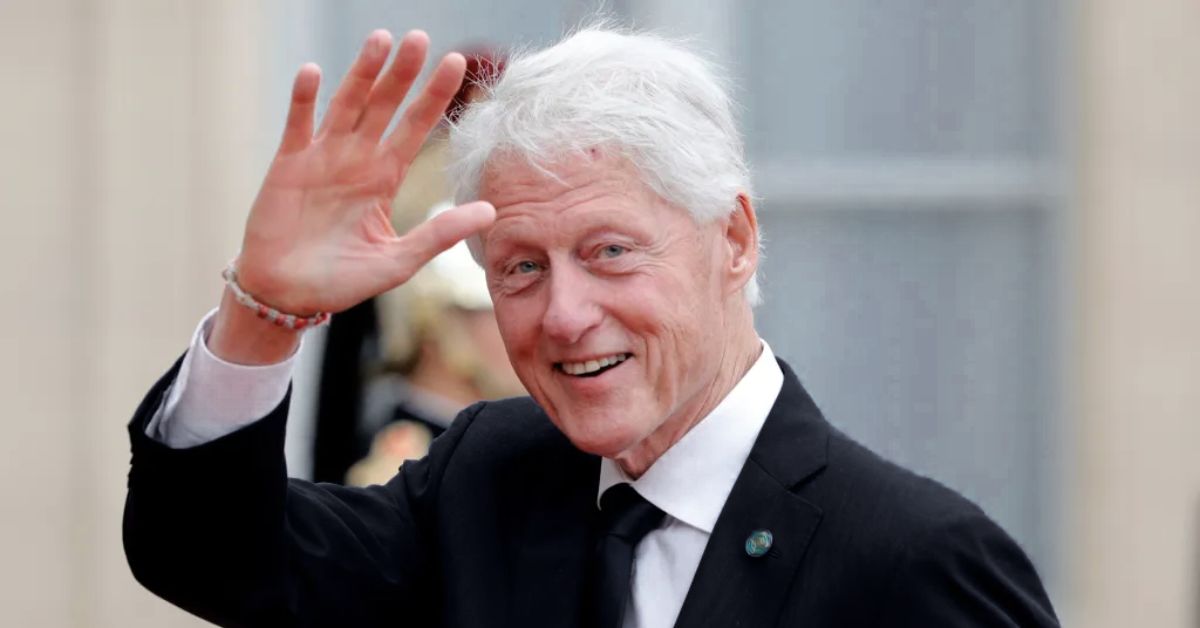

The appearance of Bill Clinton before the House Oversight Committee marked an extraordinary moment in modern American political history. For the first time in decades, a former president was summoned to answer questions in a congressional investigation tied to one of the most controversial criminal cases in recent memory.
Lawmakers questioned the former president about his past association with financier Jeffrey Epstein, who died in federal custody in 2019 while awaiting trial on sex trafficking charges. The hearing, conducted behind closed doors, focused on travel records, personal interactions and what Clinton may have known or not known during the years when Epstein maintained relationships with political leaders, business executives and global elites.
Background of the Congressional Inquiry
The House Oversight Committee launched its inquiry amid renewed public interest in Epstein’s network of associates. Although the financier had previously pleaded guilty in 2008 to state charges in Florida, federal prosecutors later brought additional charges before his death.
Investigators sought to determine whether any prominent individuals had knowledge of or involvement in Epstein’s alleged misconduct. As part of that effort, lawmakers requested testimony from several high-profile figures who had socialized with Epstein during the late 1990s and early 2000s.
Among them was Bill Clinton, who had acknowledged flying on Epstein’s private plane on several occasions after leaving the White House. Flight logs released over the years confirmed multiple trips, some related to charitable initiatives. Clinton has consistently stated that he was unaware of any criminal behavior at the time.
The inquiry, according to committee members, is intended to establish a clear historical record and examine whether failures in oversight or enforcement allowed Epstein’s activities to continue unchecked for years.
Bill Clinton’s Appearance Before Lawmakers
Bill Clinton arrived at the Capitol accompanied by legal counsel. The session was not televised, and reporters were barred from the hearing room. However, lawmakers later described the testimony as detailed and at times reflective.
According to members present, Bill Clinton told the committee that he “saw nothing that gave me pause” during his interactions with Epstein. He reiterated that his trips were primarily connected to philanthropic efforts focused on global development and health initiatives.
Clinton reportedly answered questions for several hours. Lawmakers asked about the frequency of his travel, the individuals present during those trips and the nature of his relationship with Epstein. Committee sources indicated that Bill Clinton cooperated with requests and did not invoke executive privilege.
The hearing underscored the seriousness with which Congress is approaching the matter. While former presidents are not immune from subpoenas, such appearances are rare and carry symbolic weight.
Bill Clinton’s Response to Allegations
During questioning, Bill Clinton maintained that he had no knowledge of Epstein’s alleged sex trafficking operations. He told lawmakers that had he been aware of any criminal conduct, he would have immediately distanced himself and reported the information to authorities.
In prepared remarks shared after the session, Bill Clinton emphasized that his interactions with Epstein were limited and largely tied to charitable work. He expressed regret that Epstein had been able to conceal his activities from so many individuals over an extended period.
Clinton also addressed photographs and documents that have circulated publicly. He stated that while he met numerous individuals through philanthropic networks, he had no recollection of any inappropriate behavior during those encounters.
Supporters argue that Bill Clinton has never been accused of criminal wrongdoing in connection with Epstein. Critics, however, say the scrutiny reflects broader concerns about powerful figures maintaining ties with controversial individuals without adequate due diligence.
Political Reactions on Capitol Hill
The testimony of Bill Clinton immediately sparked debate across party lines. Some lawmakers described the hearing as necessary to ensure transparency. Others criticized the investigation as politically motivated.
Republican members of the committee said they were focused on uncovering facts rather than assigning blame. Democratic members stressed that the inquiry should apply consistently to all individuals who had associations with Epstein.
Several lawmakers suggested that additional witnesses could be called in the coming weeks. The name of former President Donald Trump was raised during discussions, though committee leadership has not indicated whether further subpoenas are forthcoming.
For many observers, the appearance of Bill Clinton symbolized a broader effort by Congress to assert oversight authority, particularly when high-profile figures are involved.
Legal Context and Constitutional Questions
Legal scholars note that Congress has long held the power to compel testimony as part of its oversight responsibilities. However, the decision to summon a former president raises complex constitutional considerations.
Bill Clinton’s appearance reflects the evolving nature of congressional investigations. While presidents often face scrutiny during or after their time in office, formal testimony before a committee remains uncommon.
Experts point out that there is no legal barrier preventing Congress from requesting testimony from a former president. Still, such actions typically involve careful negotiation between lawmakers and legal counsel.
In this instance, Bill Clinton agreed to appear voluntarily following discussions about the scope of questioning. His decision avoided a protracted legal battle that could have delayed proceedings.
Public Scrutiny and Media Coverage
The involvement of Bill Clinton has drawn significant media attention, both domestically and internationally. News outlets have analyzed travel logs, past interviews and statements from associates in an effort to piece together a comprehensive timeline.
Public opinion remains divided. Some view the hearing as an important step toward accountability. Others believe it revisits events that have already been extensively examined without producing evidence of wrongdoing by Clinton.
The renewed focus on Epstein’s network has also reignited debate about wealth, power and influence. Many Americans continue to question how Epstein maintained relationships with so many prominent individuals despite earlier criminal convictions.
Bill Clinton has largely remained out of the public spotlight since leaving office, focusing on philanthropic activities through the Clinton Foundation. His testimony marks one of his most high-profile political appearances in recent years.
Broader Implications for Oversight
The inquiry involving Bill Clinton may have lasting implications for congressional oversight practices. Lawmakers across the political spectrum have expressed interest in reviewing how federal authorities handled earlier complaints against Epstein.
Questions remain about institutional accountability and whether warning signs were overlooked. While Bill Clinton is not facing charges, his testimony highlights the far-reaching consequences of association with controversial figures.
Historians note that former presidents have occasionally been called upon to provide insight into events from their administrations. However, direct testimony before Congress in a criminal investigation context is less common.
Bill Clinton’s appearance underscores the enduring visibility of past leaders and the expectation that they remain accountable in matters of public concern.
The Historical Significance of Bill Clinton’s Testimony
For students of American political history, the testimony of Bill Clinton represents a notable chapter. Former presidents often maintain influence long after leaving office, but they rarely face direct questioning from lawmakers about personal associations.
The willingness of Bill Clinton to participate may reflect a desire to close a lingering chapter tied to Epstein’s legacy. It also demonstrates how reputational risks can resurface years after initial events.
Observers say the hearing illustrates the intersection of politics, media and legal processes in the modern era. Even in the absence of charges, the mere act of testimony can shape public perception.
Continuing Questions in the Epstein Investigation
Although Epstein’s death ended the possibility of a criminal trial, investigations into his network continue. Lawmakers have indicated that their review of documents and testimony is ongoing.
Bill Clinton is among several high-profile figures who have been questioned about past interactions. The committee has stated that it is evaluating evidence methodically rather than rushing conclusions.
For now, Bill Clinton maintains that he had no knowledge of wrongdoing and stands by his previous public statements. His legal team has emphasized that no evidence suggests otherwise.
Conclusion
The appearance of Bill Clinton before the House Oversight Committee marks a significant development in the ongoing examination of Jeffrey Epstein’s associations. While Clinton has denied any awareness of criminal conduct, his testimony reflects the broader effort by lawmakers to address unanswered questions surrounding the financier’s network.
As the investigation proceeds, Bill Clinton’s statements will remain part of the public record. Whether the inquiry leads to further revelations or simply reinforces existing conclusions, the episode underscores the enduring scrutiny faced by those who have held the nation’s highest office.
In the end, the testimony of Bill Clinton serves as a reminder that public figures past and present can be called upon to account for their connections, even years after events have unfolded.