

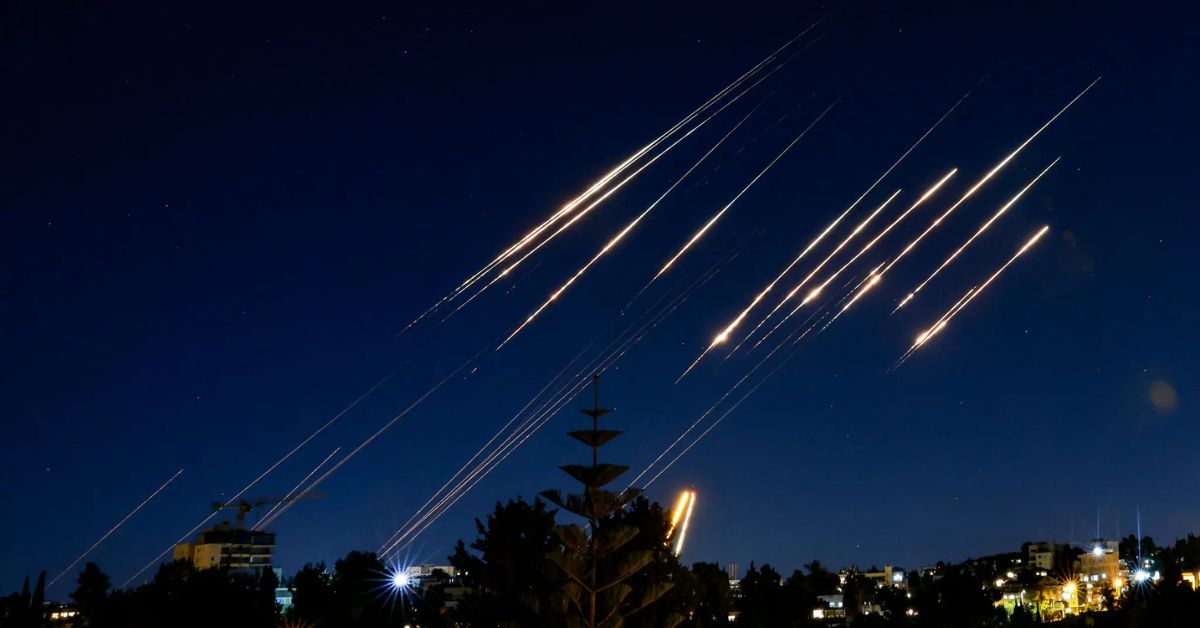

The United States and Israel carried out a coordinated series of airstrikes targeting Iranian military infrastructure, marking one of the most significant escalations in Middle East tensions in recent years. Officials in Washington and Jerusalem described the operation as a defensive measure intended to neutralize threats and reinforce regional stability.
US and Israel said the strikes were focused on strategic sites believed to be linked to missile systems, air defense networks, and military command operations.
Strategic Objectives Behind the Operation
Officials familiar with the planning of the mission said US and Israel coordinated intelligence assessments for weeks before launching the strikes. Defense sources indicated that the targets were chosen to reduce the operational capacity of Iran’s missile launch infrastructure and disrupt logistics networks that officials say pose a long-term risk to regional allies.
Senior U.S. officials emphasized that the action was not intended to trigger prolonged conflict but rather to serve as a deterrent signal. Israeli defense authorities echoed that framing, stating that national security assessments pointed to an urgent need to degrade what they described as emerging threats.
US and Israel both highlighted that civilian areas were not targeted, and that the strikes were conducted using precision-guided systems. Pentagon officials said surveillance assets were deployed to monitor potential retaliatory movements in the hours following the operation.
Military analysts note that coordination between US and Israel reflects deep intelligence integration that has developed over decades. The latest operation underscores the strategic alignment between Washington and Jerusalem on issues involving Iran’s military expansion and missile capabilities.
Regional Response and Retaliatory Signals
Within hours of the strikes, reports emerged of heightened military readiness across several Gulf states. Air defense systems were placed on alert, and aviation authorities in parts of the region temporarily rerouted flights as a precaution.
Iranian officials condemned the operation, describing it as a violation of sovereignty. State media outlets indicated that defensive measures were being assessed, though no immediate large-scale retaliation was confirmed at the time of reporting.
US and Israel maintained heightened alert levels across their regional assets. Israeli cities activated air raid sirens in certain areas, while U.S. bases across the Middle East reviewed protective protocols.
Security experts say that while retaliation remains a possibility, Tehran must weigh domestic political pressure against the risks of broader confrontation. US and Israel have both reinforced messaging that their objective is deterrence rather than escalation.
Regional governments are closely watching developments, particularly in energy-producing states near the Strait of Hormuz, a critical transit route for global oil shipments.
Energy Markets and Global Economic Impact
Global markets reacted cautiously as news of the operation spread. Oil prices saw early volatility amid concerns that further instability could disrupt supply routes. However, traders noted that shipping channels remained operational, and no confirmed disruption to major oil facilities was reported.
US and Israel are aware that any sustained escalation could have ripple effects across energy markets, financial systems, and global supply chains. Economic analysts suggest that the immediate reaction reflects uncertainty rather than confirmed structural disruption.
The U.S. administration signaled that strategic reserves and maritime security operations remain prepared to respond if shipping lanes face interference. Israeli officials also indicated ongoing coordination with international partners to monitor commercial traffic.
The resilience of global markets so far may indicate investor confidence that US and Israel intend to contain the scope of military engagement.
Diplomatic Messaging from Washington and Jerusalem
In public remarks, senior U.S. leaders framed the operation as a defensive necessity. Officials said the objective was to prevent further military expansion that could threaten allies and American personnel stationed abroad.
Israeli leadership reiterated similar messaging, emphasizing that national defense considerations drove the decision-making process. Statements from both governments stressed that diplomatic channels remain open.
US and Israel both communicated with European and regional partners ahead of the strikes, according to officials familiar with diplomatic outreach efforts. The emphasis, they said, was transparency and reassurance that the action was measured.
Diplomats across Europe have called for restraint from all sides. International observers note that the strategic calculus now centers on preventing a cycle of retaliatory escalation.
Military Capabilities and Defense Systems
Defense experts point out that US and Israel possess some of the most advanced missile defense systems in the world. Israel’s multi-layered air defense network has been central to its security posture, while U.S. regional bases operate sophisticated surveillance and interception systems.
During the operation, US and Israel relied heavily on intelligence integration, satellite imaging, and precision strike capabilities. Analysts suggest the strikes were carefully calibrated to achieve tactical goals without expanding into broader warfare.
Military readiness remains elevated. Officials confirmed that naval and air assets are positioned strategically to monitor developments.
Iran’s Position and Regional Calculations
Iran’s leadership faces complex decisions. Domestic political dynamics, economic pressures, and international scrutiny all factor into potential responses. Analysts note that Tehran has historically relied on calibrated responses through regional proxies or limited retaliatory actions.
US and Israel are likely assessing multiple response scenarios, ranging from cyber operations to indirect confrontations. Strategic planners emphasize the importance of measured reactions that avoid triggering wider instability.
The broader Middle East landscape remains sensitive, with several ongoing conflicts and fragile ceasefires shaping regional calculations.
Broader Implications for Global Security
The latest developments highlight persistent volatility in the region. US and Israel have long maintained that preventing military escalation is a core priority. Yet the balance between deterrence and escalation remains delicate.
International security analysts say the coming days will be critical. If diplomatic engagement intensifies alongside military deterrence, the situation may stabilize. If retaliatory exchanges continue, risks of broader confrontation increase.
US and Israel continue to assert that their partnership is rooted in shared security objectives and coordinated intelligence frameworks.
What Comes Next
Officials in Washington and Jerusalem indicate that monitoring and defensive readiness will continue. Diplomatic engagement with allies is expected to expand, with an emphasis on de-escalation.
US and Israel both emphasize that stability remains the central objective. Defense planners remain vigilant, but policymakers underscore that long-term regional security requires diplomatic pathways alongside military deterrence.
The situation remains fluid. Markets, governments, and defense agencies worldwide are closely tracking developments.
For now, US and Israel appear focused on signaling strength while avoiding steps that could broaden the conflict. Whether that balance holds will depend on decisions made in the days ahead.