

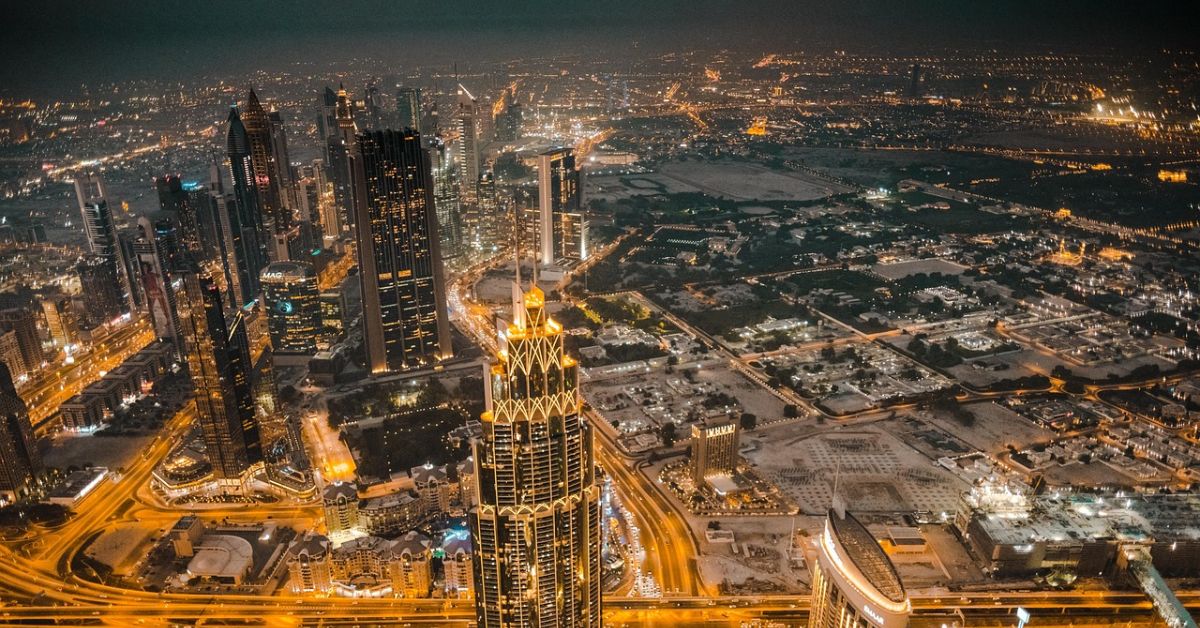

The stability of Gulf cities has come under renewed scrutiny after Iran rejects talks with US officials, signaling a deepening diplomatic freeze at a moment of heightened military tension across the Middle East.
Over recent days, security alerts, defensive interceptions and political warnings have placed Gulf cities at the center of global attention. While governments in the region insist that infrastructure remains secure and daily life continues uninterrupted, the atmosphere has shifted noticeably. Markets, airlines and foreign ministries are watching closely as events unfold.
The declaration that Iran rejects talks with US leadership represents a significant diplomatic setback. Analysts say it narrows immediate options for de-escalation, raising concerns that miscalculation could increase risks across sensitive areas tied to Gulf cities.
Rising Regional Pressure
The Middle East has entered a period of heightened uncertainty, with Gulf cities emerging as symbolic and strategic focal points. These urban centers are not only political capitals but also financial engines that connect Asia, Europe and Africa.
Reports of explosions and aerial defense activity triggered alerts across several parts of the region. Though authorities have not released detailed operational assessments, officials confirmed that defensive systems were activated as a precaution.
For residents living in Gulf cities, the developments served as a reminder of the region’s delicate security balance. While previous tensions have flared and receded, the latest diplomatic language suggests a more entrenched standoff.
International investors also reacted swiftly. Gulf cities play a central role in global trade routes and energy logistics, meaning instability in these areas can ripple far beyond regional borders.
Iran Rejects Talks With US
At the heart of the crisis is Tehran’s firm statement that Iran rejects talks with US officials under current circumstances.
The announcement came amid heightened rhetoric between both governments. Iranian officials framed their position as resistance against pressure, while Washington reiterated its defense commitments to allies in the region.
When Iran rejects talks with US representatives during active tensions, diplomatic channels become narrower and more fragile. Regional intermediaries who have historically helped manage escalation now face significant challenges.
The timing of the decision that Iran rejects talks with US negotiators has intensified concerns among analysts. Dialogue often acts as a pressure valve during volatile periods. Without it, strategic signaling becomes more dependent on military posture.
Experts note that while public declarations suggest rigidity, diplomacy in the Middle East frequently unfolds behind closed doors. Even when Iran rejects talks with US officials publicly, indirect communication can sometimes continue through third parties.
Still, the optics of the announcement have reinforced perceptions of division. Gulf cities, given their proximity to military installations and shipping lanes, remain central to how this standoff evolves.
Security Measures Across Gulf Cities
Authorities across Gulf cities have reinforced security protocols in response to recent developments. Additional patrols were deployed near key infrastructure, including ports, airports and energy facilities.
In several Gulf cities, emergency response systems were tested to ensure readiness. Officials emphasized that these measures are precautionary rather than reactive, designed to reassure the public and deter potential threats.
The visibility of security personnel has increased, particularly in commercial districts and near diplomatic missions. Residents report a cautious but orderly atmosphere.
Government spokespersons stressed that operations remain normal and that Gulf cities continue to function as regional business hubs. Schools remain open, flights continue to operate and public services are uninterrupted.
Nonetheless, the perception of vulnerability carries psychological weight. Gulf cities have long been viewed as stable anchors in a region prone to turbulence. Any sign of instability challenges that narrative.
Energy facilities located near coastal zones are under heightened surveillance. Given the global reliance on exports passing through waters adjacent to Gulf cities, safeguarding infrastructure is considered paramount.
Strategic Military Posturing
Military analysts describe the current posture as calibrated rather than expansive. Both sides appear intent on signaling resolve without triggering direct confrontation.
The proximity of Gulf cities to naval routes and air corridors gives them strategic significance. Defensive systems in these areas are designed to intercept potential threats quickly, minimizing risk to civilian populations.
When Iran rejects talks with US leadership, military readiness often becomes more visible. Deterrence messaging is communicated not only through statements but through positioning and preparedness.
US forces in the region continue coordination with allied governments to protect personnel and assets near Gulf cities. At the same time, regional governments are emphasizing sovereignty and defensive intent.
Analysts caution that prolonged tension increases the risk of accidental escalation. Gulf cities, due to their concentration of infrastructure and population, represent sensitive environments where even small incidents can attract global attention.
Economic and Energy Impact
Oil markets responded immediately to headlines emerging from Gulf cities. Prices fluctuated as traders evaluated the potential for disruption.
Energy flows through maritime corridors near Gulf cities account for a significant share of global supply. Even limited uncertainty can elevate risk premiums in pricing models.
Financial markets beyond the Middle East tracked developments closely. Investors recognize that stability in Gulf cities underpins broader trade and capital movement.
Business leaders headquartered in Gulf cities have activated contingency planning frameworks, though few have announced operational changes.
Economists note that while production levels remain steady, sentiment alone can influence volatility. The symbolic importance of Gulf cities amplifies their economic impact.
Aviation and Travel Disruptions
Airlines operating routes through Gulf cities adjusted flight paths as a precautionary measure.
Some carriers temporarily rerouted flights to avoid sensitive airspace. Aviation authorities coordinated closely to maintain safety standards while minimizing disruption.
The role of Gulf cities as international transit hubs means even short-term adjustments can affect global travel networks.
Passengers were advised to monitor flight updates, though airports continued operating normally. Officials emphasized that safety protocols are robust and that contingency plans remain in place.
Diplomatic Reactions
The decision that Iran rejects talks with US officials has drawn responses from governments across Europe and Asia.
Calls for restraint have intensified. Diplomats stress the importance of preventing further escalation that could destabilize Gulf cities and surrounding regions.
Some regional leaders have offered to facilitate indirect dialogue. Even when Iran rejects talks with US representatives publicly, diplomatic creativity sometimes emerges through intermediaries.
Observers say the coming days will test whether messaging remains rhetorical or evolves into concrete policy shifts.
Regional Stability and Global Stakes
The resilience of Gulf cities will be closely watched as tensions persist.
These urban centers represent more than geographic locations; they symbolize economic confidence and geopolitical alignment.
When Iran rejects talks with US officials, it introduces uncertainty not only for regional actors but for global partners invested in stability.
Strategists argue that all parties understand the high cost of escalation. Gulf cities host multinational corporations, financial institutions and expatriate communities whose safety is intertwined with regional peace.
While military readiness remains elevated, no government has indicated an intent to disrupt civilian infrastructure deliberately.
What Comes Next
The trajectory of this crisis remains uncertain.
If diplomatic avenues reopen despite the statement that Iran rejects talks with US leadership, tensions could stabilize. If not, Gulf cities may remain under heightened alert as strategic signaling continues.
Analysts emphasize that history shows rapid shifts are possible in Middle Eastern diplomacy. Even rigid public positions can soften under changing circumstances.
For now, Gulf cities stand at the intersection of military caution, economic calculation and political messaging.
Global markets, governments and residents alike await signs of whether dialogue will resume or whether the region will navigate a prolonged period of uncertainty shaped by hardened positions and strategic restraint.