

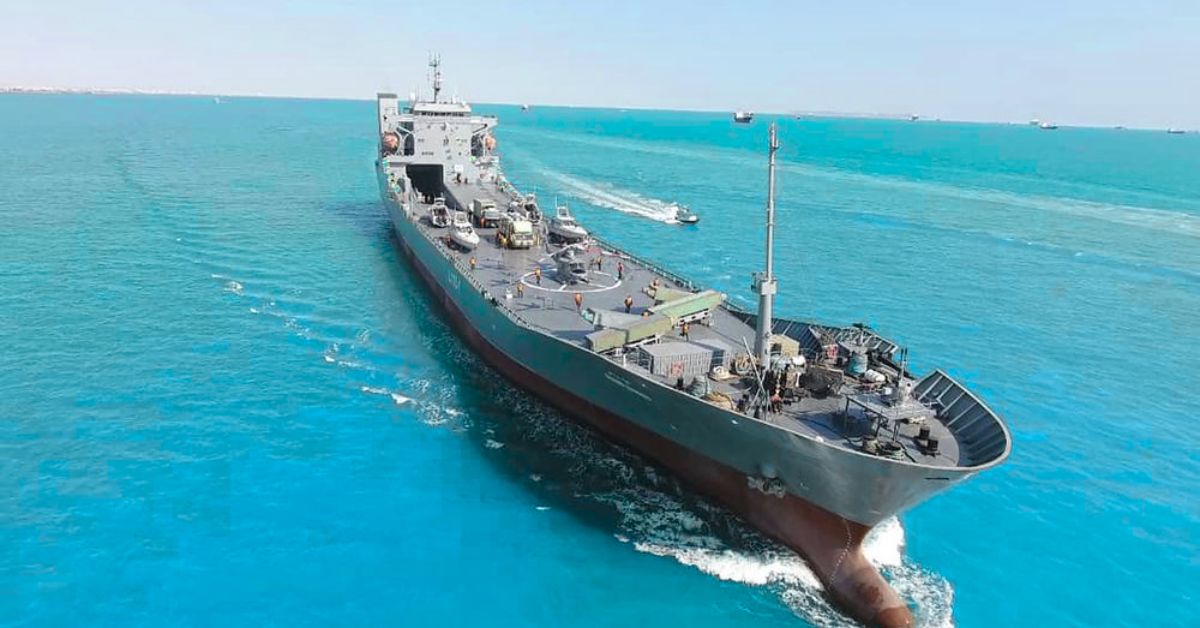

Tensions in the Middle East have intensified after the United States military confirmed it has struck or sunk more than 20 Iranian naval vessels during ongoing operations across key waterways in the region.
The development marks one of the most significant escalations in recent maritime confrontations involving Iran and U.S. forces. Military officials say the operations targeted multiple vessels believed to be linked to Iranian naval activity in strategic areas of the Indian Ocean and nearby waters.
The latest confrontation highlights how rapidly the regional security situation has deteriorated, with both sides increasing military deployments and issuing warnings of further escalation.
US Strikes Iranian Ships as Maritime Conflict Intensifies
The US strikes campaign against Iranian naval targets has expanded significantly in recent days, according to statements released by U.S. Central Command.
Officials said the US strikes operations included attacks on more than 20 Iranian vessels, with some ships reportedly sunk during the encounters. Military sources indicated that the actions were taken after intelligence suggested increased Iranian naval movements that could threaten international shipping routes.
The US strikes operations were conducted in international waters and were aimed at preventing potential disruptions to maritime trade, particularly in areas that carry large volumes of global oil shipments.
Among the ships involved was the Iranian naval vessel IRIS Dena, which reportedly issued a distress signal following the confrontation. Regional authorities later confirmed that rescue operations had been launched after the incident.
The confirmation of these US strikes has sparked global attention as governments and security analysts attempt to assess the scale and consequences of the escalating conflict.
Rescue Efforts Follow Naval Encounter
Following the naval confrontation, Sri Lanka’s navy said it responded to a distress call from an Iranian vessel that had been damaged during the incident.
Officials reported that 32 crew members were rescued after the ship encountered difficulties in the Indian Ocean. Authorities did not immediately confirm the full extent of the vessel’s damage but acknowledged that the situation unfolded amid the broader US strikes military operations.
Rescue teams coordinated with international maritime agencies to ensure the safety of the crew members who had abandoned the vessel. The incident underscores how the US strikes operation is not only affecting military assets but also creating urgent humanitarian concerns in nearby waters.
The rescued sailors were later transported to a secure port for medical checks and questioning regarding the circumstances of the incident.
Washington Signals More Military Action
U.S. officials have suggested that the US strikes operations could represent only the first phase of a broader military response in the region.
According to lawmakers briefed by senior administration officials, the United States is preparing additional measures to counter Iranian activities. These measures could involve further US strikes targeting naval assets and other military infrastructure if tensions continue to rise.
The briefings reportedly emphasized that Washington is closely monitoring Iranian responses and is prepared to escalate operations if American forces or regional allies come under threat.
Defense officials also indicated that the US strikes were designed to send a strong signal regarding the protection of international shipping routes and the enforcement of maritime security.
Strategic Waterways Become Center of Confrontation
The confrontation has focused global attention on key maritime corridors that are vital to the global economy.
The US strikes operations have taken place near routes frequently used by oil tankers and cargo vessels transporting goods between Asia, Europe, and the Middle East. Security experts say any disruption in these areas could have immediate consequences for global energy markets and supply chains.
The Strait of Hormuz, in particular, remains one of the most sensitive points in the region. A significant share of the world’s oil exports passes through the narrow waterway every day.
Officials say the US strikes campaign is partly aimed at ensuring that these critical shipping lanes remain open and secure despite rising tensions.
Maritime authorities across the region have increased patrols and surveillance to monitor ship movements and prevent further incidents.
Regional Governments Raise Security Alerts
The escalation has prompted several Middle Eastern governments to heighten security across airports, seaports, and major infrastructure facilities.
Officials in Gulf states said they are closely watching the developments following the US strikes operations against Iranian naval vessels.
Authorities warned that retaliatory attacks or further military activity could pose risks to civilian infrastructure and commercial shipping routes.
Security analysts say the US strikes campaign has introduced a new level of uncertainty across the region, particularly as diplomatic efforts struggle to keep pace with the rapidly changing military situation.
Several countries have also issued travel advisories urging citizens to remain cautious while traveling across parts of the Middle East.
Oil Markets React to Rising Tensions
Energy markets have responded nervously to reports of the US strikes against Iranian ships.
Oil prices moved higher as traders weighed the potential impact of prolonged disruptions near critical shipping lanes. Analysts say the possibility of further US strikes or retaliatory actions could continue to drive volatility in global energy markets.
Shipping companies are also reviewing their routes and insurance coverage in response to the escalating conflict.
Some shipping operators have begun exploring alternative routes to avoid areas where the US strikes operations have taken place, though rerouting vessels can significantly increase costs and delivery times.
Military Analysts Warn of Wider Conflict
Security experts say the US strikes campaign could represent a turning point in the long-running tensions between Washington and Tehran.
While naval confrontations have occurred in the past, analysts note that the scale of the US strikes operations suggests a more aggressive military posture.
Experts warn that if Iran responds directly to the US strikes, the conflict could expand beyond maritime encounters and potentially involve broader regional military engagements.
Such a development could draw in additional countries and further complicate an already volatile geopolitical landscape.
Diplomatic efforts are ongoing, but officials acknowledge that the situation remains fluid and unpredictable.
Impact on International Shipping
Commercial shipping companies are closely monitoring the consequences of the US strikes on Iranian naval vessels.
Industry groups say the increased military activity is forcing shipping operators to reassess safety measures and contingency plans.
The US strikes operations have raised concerns about the possibility of accidental encounters between military forces and commercial vessels operating in the same waters.
Maritime insurers have also warned that continued tensions could increase insurance premiums for ships traveling through high-risk areas.
For global trade networks, the stakes are high. Any prolonged disruption could affect everything from energy shipments to consumer goods moving between major markets.
Diplomatic Pressure Mounts
Diplomatic channels remain active as governments attempt to prevent the situation from spiraling further out of control.
Officials from several countries have called for restraint following the US strikes operations and urged both sides to avoid actions that could lead to a wider conflict.
International organizations are also monitoring the developments closely, emphasizing the importance of maintaining freedom of navigation in international waters.
Despite these efforts, analysts say the US strikes campaign reflects deep-rooted tensions that have built up over years of geopolitical rivalry.
Uncertain Path Ahead
As the situation continues to evolve, the US strikes operations against Iranian naval vessels are likely to remain a focal point of global attention.
Military officials say they are prepared to respond to any additional threats, while diplomatic leaders continue to push for dialogue and de-escalation.
The coming days may determine whether the US strikes campaign remains a limited military operation or becomes part of a broader regional conflict.
For now, the confrontation at sea serves as a stark reminder of how quickly tensions in the Middle East can escalate and how deeply such events can affect global security and economic stability.