

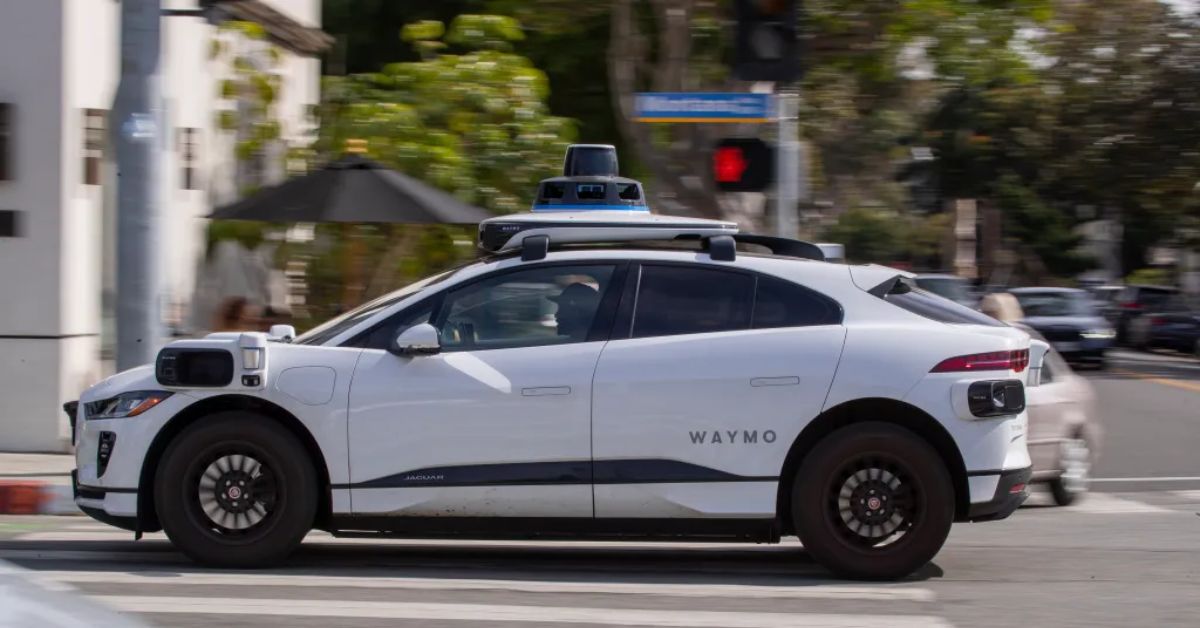

The rapid development of autonomous transportation is pushing regulators and technology companies into closer collaboration as the United States prepares for a new era of self-driving mobility.
robotaxi technology has become a central topic in policy discussions as autonomous vehicles begin operating in more American cities.
Federal transportation regulators will soon meet with senior executives from leading autonomous vehicle companies to discuss the opportunities and risks surrounding the expansion of self-driving transportation services. The discussions are expected to focus on safety oversight, regulatory frameworks, and how autonomous systems can be deployed responsibly as the technology continues to mature.
The meeting reflects a broader shift in the transportation sector. After years of testing and pilot programs, autonomous vehicles are now moving into real-world operations. Companies are increasingly offering passenger rides in self-driving vehicles, while regulators face the challenge of ensuring the technology develops without compromising public safety.
Government officials say the upcoming discussions are intended to help policymakers better understand the current state of the industry and the regulatory adjustments that may be required as autonomous transportation expands across the country.
Autonomous Technology Enters a New Phase
The transition from experimental testing to real-world deployment marks one of the most significant shifts in modern transportation.
Over the past decade, autonomous driving systems have moved from research laboratories and controlled test tracks to public streets. Today, several companies operate fleets of autonomous vehicles capable of transporting passengers without a human driver actively controlling the car.
This shift has introduced both opportunity and uncertainty.
Supporters of autonomous vehicles argue the technology could dramatically reduce traffic accidents, improve transportation access, and reshape urban mobility. Critics, however, say the systems must undergo careful evaluation to ensure they can safely handle complex road conditions.
In this environment, regulators are seeking closer communication with technology developers to understand how autonomous vehicles function and how they can be regulated effectively.
The growing presence of robotaxi services has made these discussions more urgent.
Robotaxi Safety Forum to Bring Industry Leaders Together
Federal transportation officials are organizing a national forum designed to bring together key leaders in autonomous vehicle development.
The event will include discussions with senior executives from several major companies working on self-driving technology.
Among those expected to participate are leaders from Waymo, Zoox, and Aurora, all of which are developing advanced autonomous driving systems. These companies represent some of the most prominent players in the global race to build safe and scalable self-driving transportation.
The discussions are expected to explore several major questions surrounding robotaxi deployment.
One key issue involves how regulators should measure safety performance for autonomous vehicles. Unlike traditional vehicles, self-driving cars rely on a combination of sensors, software algorithms, and artificial intelligence to interpret their surroundings and make driving decisions.
Officials want to understand how these systems respond to unpredictable road conditions, heavy traffic, and unusual driving scenarios.
Another topic expected to receive attention is remote assistance technology. Many autonomous vehicle systems include remote operators who can help guide vehicles when they encounter complex situations that require human judgment.
The growing adoption of robotaxi fleets means these operational questions are becoming increasingly important.
Government Reviewing Policy Frameworks
The rise of autonomous transportation has prompted policymakers to re-examine how vehicle regulations should evolve.
Traditional vehicle safety standards were developed for cars operated by human drivers. Autonomous vehicles introduce entirely new technical challenges and regulatory questions.
For example, regulators must determine how to evaluate the safety of vehicles that may not include traditional controls such as steering wheels or pedals.
Officials are also examining how existing laws should apply to software-driven vehicles that rely on advanced computing systems rather than human decision-making.
Government agencies responsible for transportation safety say they are studying potential regulatory adjustments that could support the safe expansion of robotaxi services while maintaining strong oversight.
These discussions reflect the complexity of regulating a technology that is still evolving rapidly.
Safety Oversight Remains a Priority
Despite the optimism surrounding autonomous vehicles, regulators continue to approach the technology with caution.
Transportation officials emphasize that public safety must remain the top priority as autonomous systems become more common on public roads.
Investigations into incidents involving self-driving vehicles have highlighted the challenges of ensuring these systems perform reliably under all conditions.
Some reported incidents have involved autonomous vehicles interacting with emergency vehicles, construction zones, or unusual traffic situations that require rapid decision-making.
These cases have reinforced the need for detailed oversight and data analysis as robotaxi operations expand.
Government officials say transparency from technology companies will be essential for maintaining public confidence in the technology.
Congress Debates the Future of Autonomous Vehicle Laws
While federal regulators review safety frameworks, lawmakers in Washington are also debating how autonomous vehicles should be regulated nationally.
Some members of Congress have proposed legislation that would establish clearer rules for the deployment of self-driving vehicles.
Supporters of these proposals argue that consistent national standards could accelerate innovation and help the United States remain competitive in the global race to develop advanced transportation technology.
Others caution that the technology still requires extensive evaluation before large-scale deployment is allowed.
These debates highlight the balance policymakers must strike between encouraging innovation and ensuring safety.
As robotaxi services continue expanding, lawmakers are under increasing pressure to provide clear regulatory guidance.
Expansion of Autonomous Transportation in Major Cities
Autonomous vehicle services are already operating in several major metropolitan areas across the United States.
Cities such as Phoenix, San Francisco, Los Angeles, and Austin have become testing grounds for large-scale robotaxi operations.
These services allow passengers to request rides using mobile applications, much like traditional ride-hailing platforms. However, instead of a human driver, the vehicle operates using autonomous driving software.
Companies developing these services say the technology has already logged hundreds of millions of autonomous miles on public roads.
As the systems improve, developers believe robotaxi fleets could eventually become a common form of transportation in urban environments.
Technology and Public Trust
One of the biggest challenges facing autonomous transportation is building public trust.
Many people remain cautious about riding in a vehicle that drives itself without a human driver behind the wheel.
Technology companies argue that autonomous systems can eventually become safer than human drivers by eliminating factors such as fatigue, distraction, and impaired driving.
However, public acceptance depends heavily on how the technology performs during real-world operations.
High-profile incidents involving autonomous vehicles have shown that even isolated events can influence public perception.
This is why regulators and developers are emphasizing transparency, safety testing, and open communication as the technology evolves.
The reliability of robotaxi systems will ultimately determine how widely they are adopted.
Economic and Industry Implications
The development of autonomous transportation could reshape several major industries.
Ride-hailing services, logistics companies, and delivery platforms are closely watching the progress of robotaxi technology.
Autonomous vehicles could reduce transportation costs, improve efficiency, and create new mobility options in both urban and rural areas.
At the same time, the technology raises questions about employment in sectors that rely heavily on human drivers.
Economists say the long-term economic impact will depend on how quickly the technology advances and how widely it is adopted.
For now, the industry remains in a transitional phase where experimentation and regulatory oversight continue side by side.
The Road Ahead for Autonomous Mobility
The upcoming forum between regulators and industry leaders represents an important moment in the evolution of autonomous transportation.
Government agencies are seeking deeper insight into how self-driving systems operate, while technology companies are working to demonstrate that their systems can safely handle real-world driving environments.
As robotaxi services expand and new companies enter the market, cooperation between regulators and developers will likely become increasingly important.
The outcome of these discussions could influence how autonomous vehicles are regulated, tested, and deployed across the United States in the coming years.
For now, both policymakers and technology companies appear to agree on one key point: the future of transportation is moving toward automation, but that future must be built with careful oversight and a strong commitment to safety.