

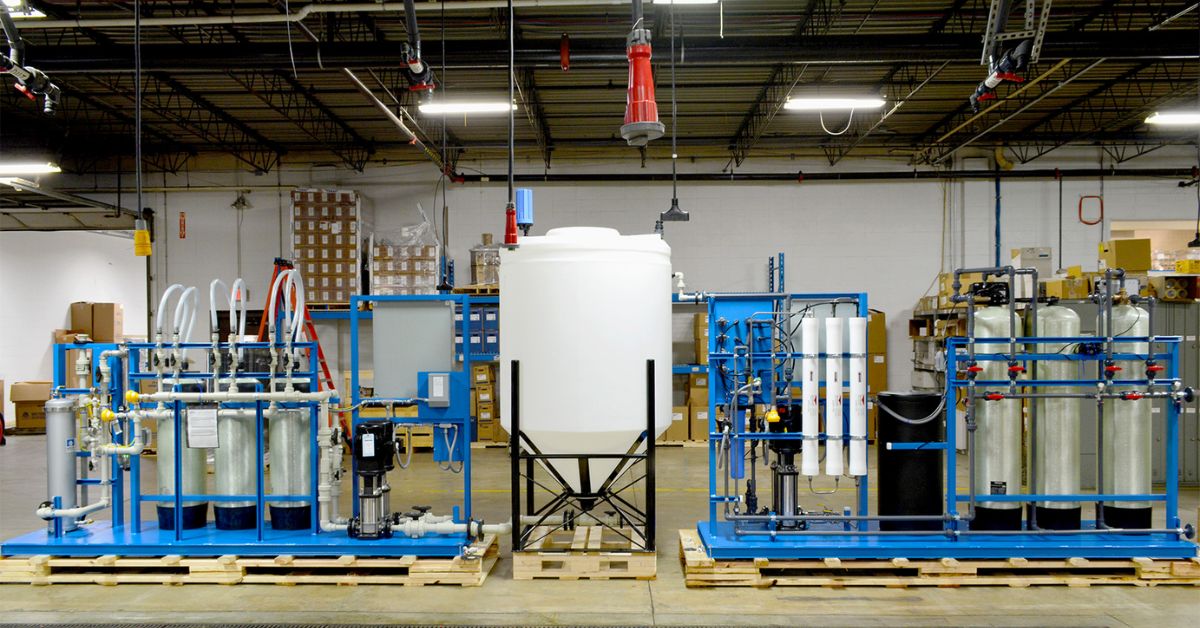

A major scientific development in the United States could reshape the future of advanced computing and semiconductor manufacturing. Researchers at a U.S. national laboratory have created specialized gas purification and conversion systems designed to improve the production of materials used in next-generation technology.
The breakthrough focuses on improving the supply and purity of critical gases used in semiconductor fabrication. By refining the process used to handle these gases, scientists aim to strengthen the technological foundation required for advanced computing systems and emerging digital infrastructure.
Quantum Materials are becoming increasingly important in the development of modern electronics, advanced chips, and new forms of computing that rely on atomic-level precision.
The Growing Importance of Quantum Materials
The global technology sector is increasingly investing in research surrounding Quantum Materials, which form the basis of many advanced computing systems. These materials exhibit unique physical properties that can dramatically improve performance in electronic devices, sensors, and high-speed computing platforms.
Scientists have long recognized that extremely pure materials are required to build the most advanced semiconductor components. Even tiny impurities can disrupt the delicate structures used in precision computing devices.
Because of this challenge, laboratories around the world are racing to improve how specialized materials are produced, purified, and processed.
This latest breakthrough represents a significant step forward in ensuring that these materials can be produced reliably and at the purity levels required by modern technology.
Why Silane and Germane Gases Are Essential
At the center of the new research are two gases widely used in semiconductor manufacturing: silane and germane.
These gases serve as precursor materials that allow manufacturers to deposit ultra-thin layers of silicon and germanium onto semiconductor wafers. These layers are fundamental building blocks for modern microchips and other advanced electronic components.
When the gases used during fabrication contain impurities, the resulting chips may perform poorly or fail to meet strict industry standards. For this reason, the purification of these gases is considered one of the most critical steps in semiconductor manufacturing.
Researchers say improvements in gas purification systems will directly benefit Quantum Materials, since these materials require extremely precise atomic structures to function correctly.
By creating more reliable purification technology, scientists hope to enable new breakthroughs in computing hardware and advanced electronics.
Quantum Materials and the Next Generation of Technology
Experts say the study of Quantum Materials is rapidly expanding as governments and technology companies invest heavily in next-generation computing.
These materials behave differently from traditional electronic materials. Their unique properties allow scientists to explore entirely new approaches to computing, sensing, and communications.
For example, some quantum materials exhibit superconductivity or unusual magnetic behaviors that could lead to dramatically faster computing systems.
Because these properties depend heavily on atomic-level precision, even small impurities can interfere with performance. That is why improving the purity of the materials used in fabrication is such an important research priority.
The newly developed gas purification systems are expected to support the production of ultra-pure silicon and germanium, two elements that play a central role in the development of quantum-based technologies.
How the New Gas Systems Work
The research team designed specialized conversion and purification systems capable of processing silane and germane with extremely high precision.
These systems are engineered to remove contaminants while maintaining the chemical stability of the gases. Maintaining stability is essential because even minor chemical changes can alter the structure of the materials being produced.
The process relies on advanced monitoring technologies that track multiple operational parameters during purification. Sensors monitor pressure, temperature, and gas composition in real time to ensure that the purification process remains within strict limits.
By carefully controlling these conditions, the system ensures that the final gases reach the purity levels required for advanced semiconductor manufacturing.
Such improvements directly support the production of high-quality Quantum Materials, which must meet extremely strict purity requirements.
Improving Semiconductor Supply Chains
Beyond the scientific breakthrough itself, researchers say the new systems could strengthen the broader supply chain supporting advanced electronics.
In recent years, global supply chains for semiconductor materials have faced disruptions due to increased demand and geopolitical challenges.
By developing domestic capabilities to purify key gases used in semiconductor fabrication, researchers hope to reduce reliance on external supply sources.
This development could help ensure a more stable supply of materials used in advanced electronics and Quantum Materials research.
A more resilient supply chain also helps researchers and manufacturers continue developing new technologies without delays caused by material shortages.
Research Challenges Scientists Faced
Creating these purification systems required overcoming several technical challenges.
One of the most complex issues involved preserving isotopic purity throughout the purification process. Isotopes are different forms of the same element that vary slightly in atomic mass.
In advanced semiconductor fabrication and Quantum Materials research, isotopic composition can significantly influence material performance.
Maintaining this purity during gas processing is extremely difficult because the purification process itself can sometimes introduce unwanted variations.
Researchers had to design specialized handling procedures to prevent contamination and preserve the integrity of the materials used in the system.
Extensive testing was also required to ensure the system could operate safely and reliably over long periods.
Safety Systems Built into the Technology
Handling specialized gases requires strict safety protocols. Silane and germane can be hazardous if not managed carefully, making safety a central focus of the system’s design.
To address these risks, engineers incorporated automated monitoring systems that track hundreds of variables during operation.
These monitoring systems continuously analyze the purification process and immediately alert operators if any values move outside the safe operating range.
The system also includes multiple containment mechanisms designed to prevent leaks or unexpected chemical reactions.
Such safeguards are critical for facilities working with materials used in Quantum Materials research, where both safety and precision are essential.
Applications Across Advanced Industries
The development of improved purification systems could benefit multiple industries that rely on advanced semiconductor technologies.
These include sectors such as artificial intelligence hardware, high-performance computing, telecommunications infrastructure, and advanced sensing technologies.
Each of these fields depends on increasingly sophisticated electronic components that require ultra-pure materials during fabrication.
By improving the supply and processing of these materials, researchers hope to accelerate innovation across industries that rely on Quantum Materials and semiconductor technologies.
Some experts believe that improvements in materials science may ultimately play an even larger role in technological progress than improvements in chip design alone.
Strengthening Technological Competitiveness
Advances in materials science are increasingly viewed as essential for maintaining global technological competitiveness.
Countries investing heavily in semiconductor manufacturing and advanced computing are also prioritizing research into Quantum Materials and related technologies.
Improving the supply of ultra-pure gases used during semiconductor fabrication could provide a strategic advantage in developing new electronic devices.
Researchers say the newly developed systems represent an important step toward building a stronger infrastructure for materials science research.
By enabling higher levels of purity in key gases, the systems help lay the foundation for future innovations in computing and electronics.
Future Research and Development Plans
Scientists involved in the project say the work is far from complete.
Future research will focus on improving the efficiency of the purification process while expanding the types of gases that can be processed using similar systems.
Researchers are also exploring methods to further increase isotopic purity levels, which could open new possibilities in Quantum Materials research.
Additional collaborations with industry partners may also help accelerate the transition from laboratory research to large-scale manufacturing applications.
As demand for advanced computing continues to grow, improvements in materials processing are expected to play an increasingly important role in shaping the future of technology.
Conclusion
The development of advanced gas purification systems represents a meaningful advancement in the effort to support next-generation semiconductor technologies.
By improving how key gases are purified and processed, scientists are helping to strengthen the foundation of modern electronics and advanced computing systems.
These improvements could ultimately accelerate innovation in multiple industries, from artificial intelligence to high-performance computing.
As research into Quantum Materials continues to expand, breakthroughs in materials purification and processing will remain essential to unlocking the full potential of emerging technologies.