

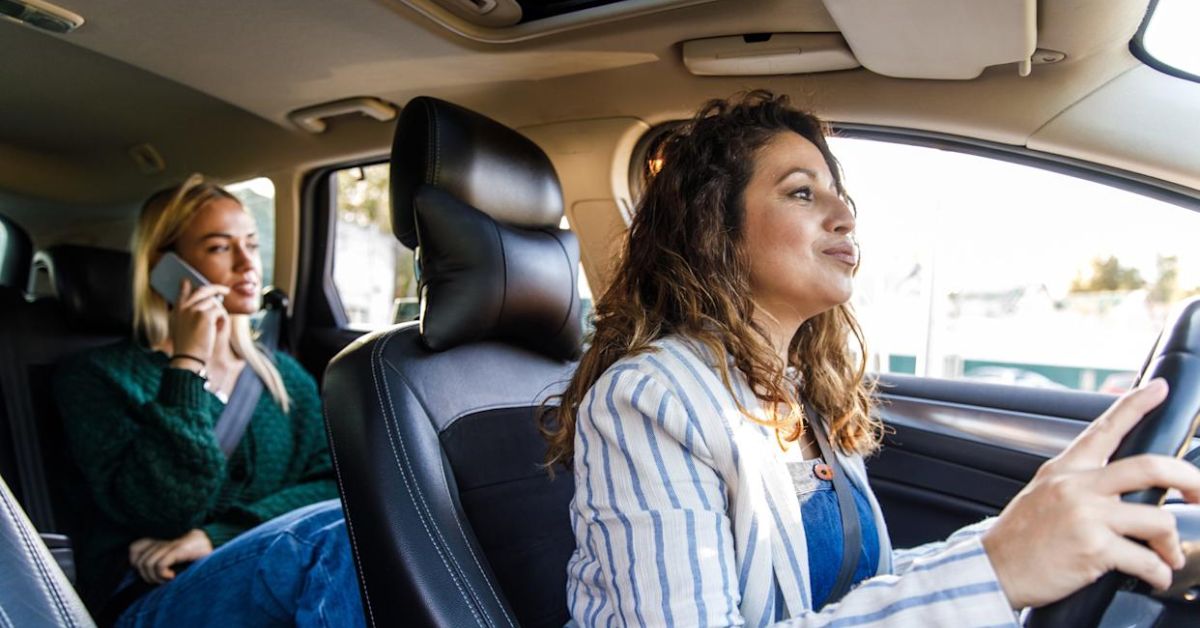

Ride-hailing company Uber has expanded a new safety feature across the United States that allows women riders and drivers to be matched with other women. The program is designed to improve safety and comfort on the platform, but it is also being introduced at a time when the company faces a legal challenge from drivers who argue the feature discriminates against men.
The Uber women drivers option is now available nationwide, allowing female users to request rides specifically with women drivers through the Uber app. The feature builds on earlier pilot programs that were tested in several major American cities before being rolled out across the country.
Uber says the initiative aims to address longstanding safety concerns raised by riders and drivers alike. Many women who use ride-hailing services have expressed a preference for being matched with female drivers, particularly during late-night trips or when traveling alone.
The nationwide expansion signals a broader push by the company to strengthen safety features on its platform while responding to changing expectations among passengers.
Expansion of the Women-Only Ride Feature
Uber’s decision to introduce the feature across the country follows pilot programs conducted in multiple U.S. cities over the past year. The company initially tested the option in locations including San Francisco, Los Angeles and Detroit to evaluate demand and operational feasibility.
After observing strong interest from users, Uber gradually expanded the feature to additional markets before announcing the nationwide rollout.
With the expansion, female riders in every U.S. city where Uber operates can now access the Uber women drivers option when requesting a ride. The feature appears directly in the app during the ride-booking process, allowing riders to prioritize matches with women drivers whenever possible.
Company representatives say the goal is to give women more control over their ride-sharing experience without significantly disrupting the platform’s overall matching system.
How the Uber Women Drivers Option Works
The Uber women drivers option introduces several ways for users to request rides that match their preferences.
Female passengers can select a specific option when requesting a trip that prioritizes female drivers. If no woman driver is available nearby, riders are able to choose whether to wait longer for a match or switch to a standard ride request.
The app also allows riders to set a preference within their account settings. When enabled, this preference increases the likelihood that a female rider will be matched with a woman driver when both are available in the area.
Drivers also have control over how the feature works for them. Women who drive on the platform can choose to receive ride requests only from female passengers if they prefer.
Uber says the system remains flexible so drivers can switch the setting on or off at any time depending on their comfort level or working conditions.
The company estimates that women currently represent about one-fifth of Uber drivers in the United States, though the exact percentage varies widely from city to city.
Safety Concerns in Ride-Hailing Services
Safety has been one of the most persistent challenges for ride-hailing companies since the industry began more than a decade ago.
Both drivers and passengers have reported incidents ranging from harassment to more serious crimes. These concerns have pushed companies to develop new tools intended to reduce risk and improve trust on their platforms.
The Uber women drivers option is one of several features introduced in recent years as part of broader safety improvements.
Other measures implemented by Uber include emergency assistance buttons within the app, improved driver identity verification and a shared driver misconduct database with other ride-sharing companies.
These steps are intended to provide additional layers of protection for users and to reassure riders who may feel uneasy about getting into a car with someone they do not know.
For many female passengers, the ability to request a woman driver directly offers a sense of added comfort that traditional ride-matching systems cannot guarantee.
Legal Challenges Facing the Program
Despite the safety motivations behind the feature, the Uber women drivers option has sparked legal debate in the United States.
Two Uber drivers in California filed a class-action lawsuit arguing that the program violates state civil rights laws by giving preferential treatment to female drivers.
The lawsuit claims the policy effectively reduces the pool of potential passengers available to male drivers, which could affect their ability to earn income through the platform.
According to the complaint, the program may conflict with California’s Unruh Civil Rights Act, which prohibits businesses from discriminating against customers or employees based on characteristics such as sex.
Uber has responded by asking the court to require arbitration rather than allowing the lawsuit to proceed in a traditional courtroom.
The company argues that drivers agreed to arbitration clauses when they joined the platform and that safety considerations provide a legitimate reason for offering the feature.
Legal analysts say the outcome could depend on whether the program is viewed as a safety measure or as a form of discrimination.
Perspectives From Drivers and Riders
Among drivers and riders, opinions about the Uber women drivers option remain mixed.
Some drivers say the feature has made their work environment more comfortable. Women who drive late-night shifts, in particular, have said they often feel safer picking up female passengers rather than intoxicated riders leaving bars or clubs.
Several drivers have reported that the option has reduced uncomfortable interactions and allowed them to work longer hours without feeling as vulnerable.
For riders, the feature provides a sense of control that many say has been missing from traditional ride-sharing platforms.
Women who travel frequently for work or commute late at night say the option makes them more likely to use ride-hailing services rather than public transportation.
However, some drivers have raised concerns about the practical impact of the feature.
Because the number of female drivers remains relatively small in many cities, matching female riders with female drivers may sometimes lead to longer wait times.
Some riders may choose faster pickup times over a preferred driver match, especially in busy urban areas where convenience often determines which ride service people choose.
International Rollout and Previous Pilots
The Uber women drivers option was not originally developed in the United States.
Uber first introduced a similar feature in Saudi Arabia in 2019, shortly after women in the country were legally allowed to drive.
The program was designed to help women feel more comfortable using ride-hailing services during a period of major social change.
Following the initial rollout, Uber expanded the feature to dozens of other countries where riders expressed interest in having greater control over who drives them.
Today, variations of the program operate in more than forty countries worldwide.
The company’s decision to expand the feature nationwide in the United States represents one of the largest implementations of the system so far.
Impact on the Ride-Sharing Industry
The nationwide rollout of the Uber women drivers option could influence how other ride-sharing companies approach safety features in the future.
Competitors in the industry are already experimenting with similar programs aimed at improving rider confidence.
The ride-sharing market remains highly competitive, with companies constantly searching for ways to differentiate their services and attract more passengers.
Features that address safety concerns may become increasingly important as ride-sharing platforms continue to expand into new regions and customer segments.
For Uber, the nationwide expansion reflects a broader strategy focused on trust and user experience.
Executives believe that giving riders more choices about how they travel could ultimately increase usage of the platform.
What Comes Next
As the Uber women drivers option becomes available across the country, the company will closely monitor how riders and drivers respond to the feature.
Usage data from the coming months will likely shape how the program evolves.
If demand continues to grow, Uber could introduce additional tools that allow riders to customize their ride preferences even further.
At the same time, the ongoing lawsuit in California may determine whether gender-based ride preferences face legal limitations in the United States.
The outcome of the case could influence not only Uber but also the broader ride-sharing industry.
For now, the company is moving forward with the nationwide rollout while balancing safety concerns, legal questions and the expectations of millions of riders and drivers who use its platform every day.