


The global trade landscape shifted sharply this week as the Trump Trade War entered another critical phase, with Washington launching a series of sweeping investigations that could reshape economic relationships with many of the world’s largest trading partners.
The new probes target more than a dozen countries that supply a significant share of imports to the United States. Officials say the move is designed to determine whether certain trading partners maintain unfair industrial advantages through overproduction, trade surpluses, or government-supported manufacturing capacity.
The investigations were announced by the Office of the United States Trade Representative, which confirmed that the reviews would take place under Section 301 of U.S. trade law — a powerful tool historically used to address alleged unfair trade practices.
These developments mark the latest escalation in the Trump Trade War, a policy approach centered on using tariffs and trade pressure to rebalance global economic relationships.
Escalation of the Trump Trade War
The latest investigations highlight how the Trump Trade War strategy is evolving beyond individual tariff actions into a broader system of trade enforcement.
Officials say the reviews will examine structural issues in global manufacturing sectors where certain countries are believed to have excess production capacity. Such imbalances, according to U.S. officials, can distort market prices and weaken domestic manufacturing industries.
The administration argues that these investigations are necessary to ensure fair competition for American businesses and workers.
While tariffs were a defining feature of earlier phases of the Trump Trade War, the new probes represent a more systematic approach to identifying and potentially correcting global trade imbalances.
If the investigations conclude that unfair practices exist, Washington could impose targeted tariffs on a wide range of imported goods.
Countries Targeted by the Investigations
The countries included in the latest investigations represent a diverse group of major economic players and export-driven economies.
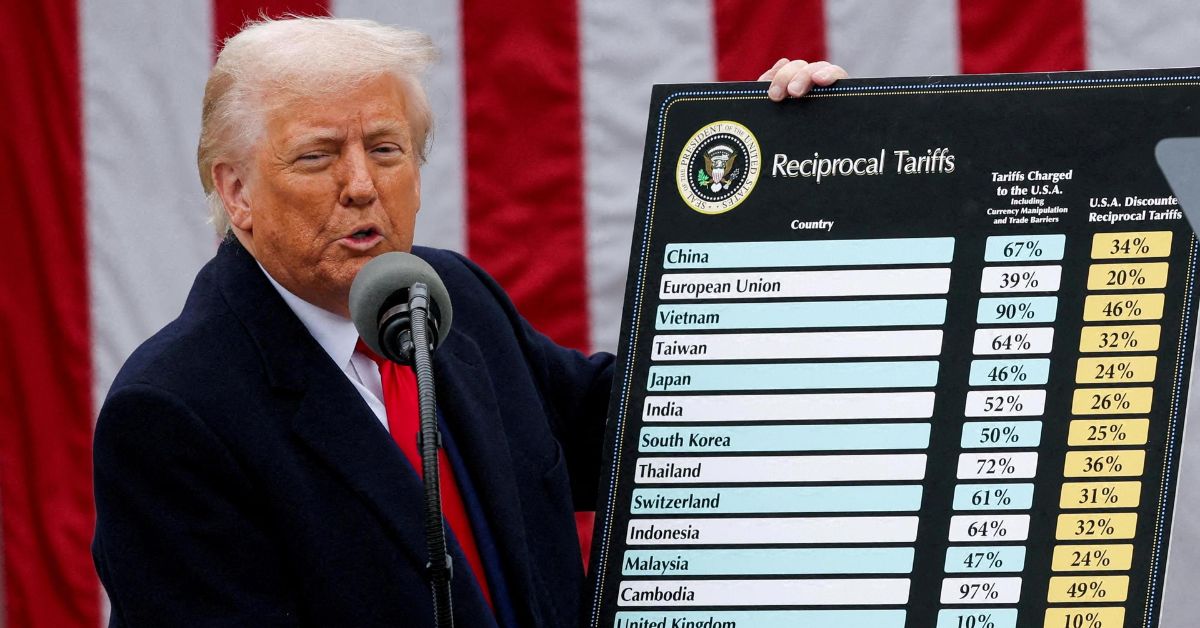
Among those named are China, the European Union, Mexico, Japan, India, South Korea, Taiwan, Vietnam, Thailand, Indonesia, Malaysia, Cambodia, Bangladesh, Singapore, Switzerland, and Norway.
These countries collectively account for a large portion of goods entering the United States each year.
Officials say the goal is not necessarily to punish trading partners but to examine whether structural factors such as subsidies, industrial policies, or production surpluses are affecting global markets.
The Trump Trade War has frequently focused on addressing these structural trade concerns, particularly in sectors such as electronics, machinery, automobiles, textiles, and consumer goods.
In many of these industries, policymakers argue that American manufacturers face disadvantages when competing with countries that maintain extensive government support for domestic production.
What Section 301 Means for Global Trade
Section 301 investigations are one of the most powerful trade enforcement mechanisms available under U.S. law.
They allow the government to investigate foreign trade practices and respond with tariffs or other restrictions if those practices are determined to harm American economic interests.
The Trump Trade War previously relied on Section 301 investigations to justify tariffs on hundreds of billions of dollars worth of imported goods.
The process typically involves months of analysis, public comment, and consultations with trading partners.
If violations are confirmed, the United States can impose duties designed to offset perceived trade advantages.
This legal pathway has become a central component of the Trump Trade War strategy, providing the administration with a structured framework for implementing trade pressure.
How Tariffs Could Affect Businesses and Consumers
Tariffs introduced during the Trump Trade War have historically had far-reaching consequences across global supply chains.
For businesses that rely on imported components or finished goods, new tariffs can significantly increase operating costs.
Manufacturers may be forced to adjust sourcing strategies, shift production locations, or pass higher prices along to consumers.
Retailers and importers often face similar challenges when tariffs increase the cost of merchandise entering the United States.
Economists frequently debate the long-term effects of tariff policies, with some arguing they help rebuild domestic manufacturing while others warn they can lead to higher prices and reduced international trade.
As the Trump Trade War expands into new investigations, businesses across multiple industries are closely watching how the process unfolds.
Growing International Reaction
Several governments named in the investigation have already signaled concern about the potential consequences.
Some officials argue that aggressive trade enforcement measures risk disrupting international economic cooperation.
Others have warned that retaliatory tariffs could follow if new restrictions are imposed on exports to the United States.
The Trump Trade War has previously triggered similar responses from major trading partners, including counter-tariffs targeting American agricultural and industrial products.
Diplomatic negotiations often play a key role in resolving such disputes, but tensions can escalate when countries disagree about the fairness of trade policies.
Strategic Goals Behind the Trade Probes
Supporters of the Trump Trade War approach argue that stronger enforcement is necessary to correct decades of trade imbalances.
They say certain countries have benefited from industrial policies that encourage large-scale manufacturing capacity while exporting goods to global markets.
According to this view, tariffs and investigations are tools that help level the playing field for domestic industries.
The administration maintains that addressing structural issues in global trade will ultimately strengthen the American economy.
By investigating industries where production capacity exceeds demand, policymakers hope to prevent market distortions that could undermine local manufacturing.
These objectives remain central to the broader strategy of the Trump Trade War.
Forced Labor Investigation Adds New Dimension
Alongside the tariff probes, officials are preparing a separate investigation into imports suspected of being produced with forced labor.
Such goods are already prohibited from entering the United States under existing trade laws.
However, enforcement efforts have intensified in recent years as policymakers seek to ensure that global supply chains meet labor standards.
The new investigation could broaden the scope of trade enforcement within the Trump Trade War, linking economic policy with human rights concerns.
If evidence of forced labor is found within supply chains, additional import restrictions could follow.
Economic and Market Implications
Financial markets and multinational corporations often respond quickly to changes in trade policy.
Announcements related to the Trump Trade War have historically influenced currency markets, commodity prices, and stock market volatility.
Companies that rely heavily on international trade frequently reassess investment plans when tariffs or trade barriers are introduced.
At the same time, domestic industries that compete with imports may benefit from increased protection.
The balance between these competing effects remains one of the most debated aspects of the Trump Trade War.
Global Supply Chains Under Pressure
Modern manufacturing relies on highly interconnected supply chains that span multiple countries.
Tariffs introduced during the Trump Trade War can disrupt these networks by making certain production routes more expensive.
In response, companies sometimes relocate factories, shift suppliers, or redesign production strategies.
These adjustments can take years to implement and often involve significant financial investment.
As new investigations move forward, analysts are examining how the Trump Trade War could influence global production patterns in the coming years.
What Comes Next in the Trump Trade War
The newly announced investigations are expected to unfold over several months as trade officials gather data, consult industry groups, and analyze market conditions.
Public hearings and diplomatic discussions may also take place during the review process.
If unfair trade practices are identified, tariffs could follow — potentially reshaping economic relationships with some of the world’s largest exporters.
Such outcomes would represent another major step in the ongoing Trump Trade War, which continues to redefine how the United States approaches international trade policy.
For now, businesses, policymakers, and global markets are watching closely as the investigations progress.
The results could influence everything from manufacturing strategies to international diplomacy.
Whether the probes ultimately lead to new tariffs or negotiated trade reforms, the latest developments confirm that the Trump Trade War remains one of the defining forces shaping global economic policy today.