

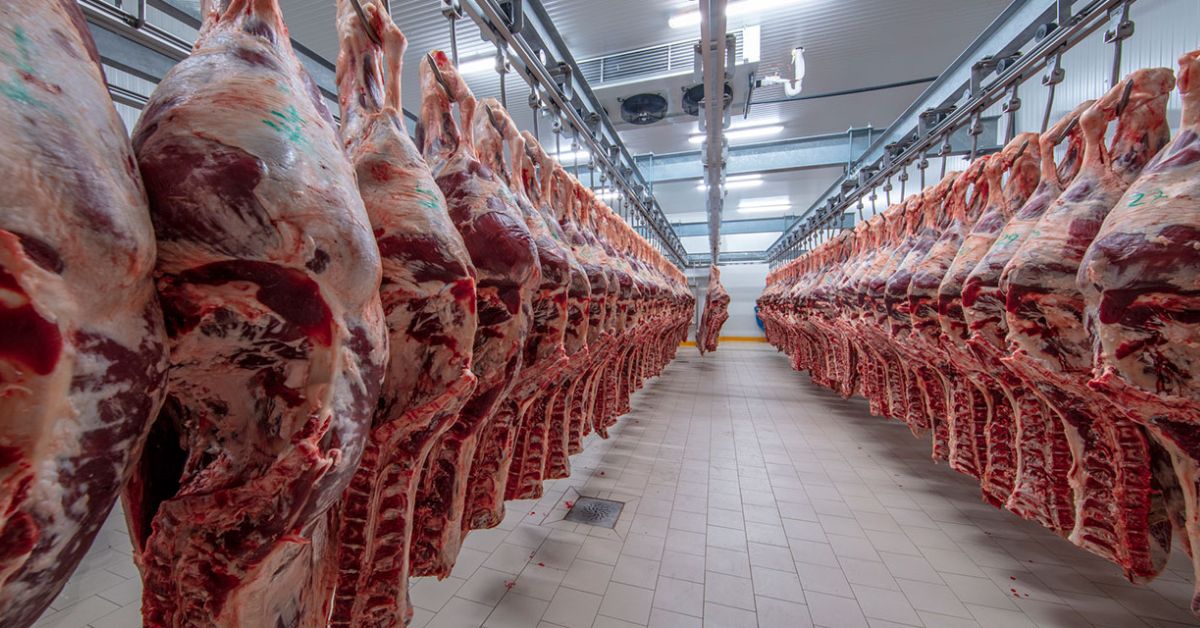

A significant labor dispute is unfolding in Colorado after approximately 3,800 workers walked out of a major beef processing facility, triggering concerns about supply disruptions, worker rights, and broader economic impacts. The protest, taking place at a large processing operation in Greeley, has drawn attention from labor groups, policymakers, and industry analysts alike.
The situation has quickly become one of the most closely watched labor disputes in the meat industry in decades. Workers represented by a local labor union initiated the walkout after negotiations with management broke down over a contract renewal. Union leaders said the strike was necessary after what they described as months of unresolved concerns regarding working conditions, pay structures, and employee treatment.
The dispute has placed the spotlight on the meat industry, particularly the meatpacking workforce that plays a crucial role in the national food supply chain.
Meatpacking facilities across the United States process millions of pounds of beef each day, and disruptions at large plants can ripple through the broader agricultural and food markets.
Labor Tensions Build at the Colorado Facility
The strike began early Monday morning when thousands of employees stopped working and gathered outside the plant gates. Workers formed picket lines while holding signs and chanting messages calling for fair negotiations.
Union representatives said that an overwhelming majority of members had previously voted to authorize the strike if talks failed. According to labor officials, nearly all eligible workers supported the move, reflecting widespread frustration among employees.
The facility itself is one of the largest beef processing operations in the country. Its daily production supports restaurants, grocery stores, and food distributors across multiple states.
When a plant of this size experiences disruptions, the impact can extend far beyond the local area. Industry experts say that even temporary slowdowns can affect supply chains and pricing across the beef market.
Because of this, the situation has drawn national attention within the meatpacking sector.
Why the Meatpacking Strike Began
The strike followed months of negotiations between union representatives and company management. Workers argued that key issues remained unresolved despite repeated bargaining sessions.
Among the concerns raised by employees were wages, staffing levels, workplace safety, and scheduling practices. Some workers said the demanding pace of production had increased pressure on employees in recent years.
Union officials said negotiations stalled after management declined to continue discussions beyond the contract expiration deadline. With the previous agreement ending at midnight, workers proceeded with the strike vote that had been authorized earlier.
Labor leaders said the decision was not taken lightly.
They emphasized that employees wanted to reach a new contract but felt they had exhausted available options. The strike, they argued, became the only remaining way to push for meaningful progress.
Within the broader meatpacking industry, labor negotiations often become complex due to the scale of operations and the economic pressures facing both workers and companies.
Workers Describe Conditions and Concerns
Employees participating in the strike described a workplace environment that they believe requires improvements. Some workers spoke about the physical demands associated with processing operations and the pace required to meet production targets.
Meatpacking plants are known for their intensive workflow. Workers perform repetitive tasks on fast-moving production lines, which can lead to fatigue and injuries if safety protocols are not carefully maintained.
Union representatives said employees are asking for better protections and more sustainable working conditions. They argue that improving workplace standards would benefit both employees and long-term productivity.
Workers also expressed concerns about pay adjustments that reflect rising living costs.
Many employees said they want compensation structures that keep pace with inflation and the economic realities facing working families.
For many people on the picket lines, the strike represents more than a contract negotiation. It represents a broader effort to improve stability and fairness within the meatpacking workforce.
Company Response to the Walkout
Company officials responded to the strike by stating that the facility would remain operational.
Management said employees who choose not to participate in the strike would still have the opportunity to continue working and receive their wages. The company also indicated that it would attempt to maintain production levels by adjusting schedules and shifting operations when possible.
In public statements, the company emphasized that it remains committed to negotiating a fair agreement with the union.
Executives said they hope discussions will resume soon and lead to a resolution that works for both the workforce and the business.
Maintaining production during a strike is not uncommon in the meatpacking industry, though doing so can present logistical challenges depending on staffing levels.
Industry observers are closely watching how operations at the facility will continue during the labor dispute.
Economic Pressure on the Meat Industry
The strike comes at a particularly sensitive moment for the U.S. beef sector. Analysts note that cattle numbers in the United States are currently near historic lows.
Lower livestock availability has already contributed to rising beef prices in recent years. When supply tightens, even small disruptions in processing capacity can influence market dynamics.
Economists say that large processing plants play a vital role in balancing supply and demand.
When operations slow down at major meatpacking facilities, it can affect how quickly cattle are processed and distributed to retailers.
The current labor dispute therefore arrives during a period when the meat industry is already dealing with tight margins and production pressures.
How Meatpacking Impacts the U.S. Food Supply
The meatpacking industry forms a central component of the American food system.
Processing plants transform livestock into packaged products that are shipped nationwide. From supermarkets to restaurants, many businesses rely on these facilities to maintain consistent food supply.
Large plants often process thousands of animals per day. That scale makes them essential to maintaining steady distribution across the country.
When one of these plants experiences disruption, supply chains can feel the effects quickly.
Transportation schedules, storage capacity, and retail inventory all depend on consistent output from processing facilities.
For this reason, the current strike has drawn attention from food industry analysts and policymakers monitoring supply stability.
The Role of Labor Unions in the Dispute
Labor unions have historically played a significant role in representing workers within industrial sectors such as manufacturing, agriculture, and food processing.
In the meatpacking industry, unions negotiate contracts that cover wages, benefits, working conditions, and dispute resolution procedures.
The union involved in this strike has said its goal is to ensure employees receive fair treatment and safe working environments.
Union leaders argue that strong labor agreements can help reduce turnover and maintain experienced workforces.
Critics, however, sometimes argue that strikes risk disrupting operations and affecting supply chains.
The balance between worker rights and economic continuity remains a central topic in labor negotiations across many industries, including meatpacking.
Historical Context of Meatpacking Strikes
Large-scale strikes within the meatpacking sector are relatively uncommon compared with other industrial fields.
One of the most widely remembered labor disputes occurred in the 1980s, when workers at a processing plant in the Midwest engaged in a prolonged strike that lasted more than a year.
That dispute drew national attention and highlighted the intense tensions that can arise in high-pressure industrial environments.
Labor experts say the current situation in Colorado could become one of the most significant meatpacking labor conflicts seen in decades.
Because the sector plays such an important role in food production, events like these are closely followed by economists, policymakers, and agricultural organizations.
Potential Effects on Food Prices
One of the most immediate questions surrounding the strike is whether it could influence consumer food prices.
Beef prices have already experienced fluctuations due to supply conditions, global demand, and livestock availability.
If production at the facility slows significantly, some analysts believe it could place additional pressure on supply chains.
However, the overall impact may depend on how long the strike lasts and how effectively other facilities compensate for potential output reductions.
Large food distributors often maintain multiple sourcing channels to ensure continuity.
Even so, industry observers say extended disruptions could gradually influence pricing and availability.
Local Community and Economic Impact
Beyond national food markets, the strike has major implications for the local community in Greeley.
Large processing facilities often serve as major regional employers. Thousands of workers depend on these jobs to support their families.
Local businesses—from grocery stores to transportation companies—also rely on the economic activity generated by these plants.
When a major workplace dispute occurs, the effects can ripple through the surrounding economy.
Community leaders are therefore watching developments closely as negotiations continue.
Some officials have expressed hope that both sides will return to the bargaining table quickly and reach a resolution that supports workers while preserving economic stability.
What Happens Next in the Negotiations
The next phase of the dispute will likely depend on whether negotiations resume in the coming days.
Labor representatives have indicated they remain open to further discussions if management shows willingness to address key concerns.
Meanwhile, company officials have said they hope to reach an agreement that allows operations to continue without prolonged disruption.
Labor experts say strikes often involve periods of heightened tension before progress is made.
In many cases, outside mediators or government agencies can assist in facilitating negotiations between employers and unions.
The timeline for resolving the conflict remains uncertain, but both sides acknowledge the importance of reaching a solution.
Broader Implications for the Meatpacking Industry
Beyond the immediate dispute, the strike highlights ongoing challenges facing the meatpacking workforce.
Across the country, processing facilities continue to grapple with labor shortages, safety concerns, and shifting economic conditions.
As the industry evolves, companies and workers must find ways to balance efficiency with sustainable working environments.
Labor negotiations like this one often shape broader industry standards.
If new agreements emerge from the dispute, they could influence future contracts across the meatpacking sector.
For now, the situation in Colorado remains a developing story—one that may shape labor relations and supply chain dynamics across the American meat industry.