

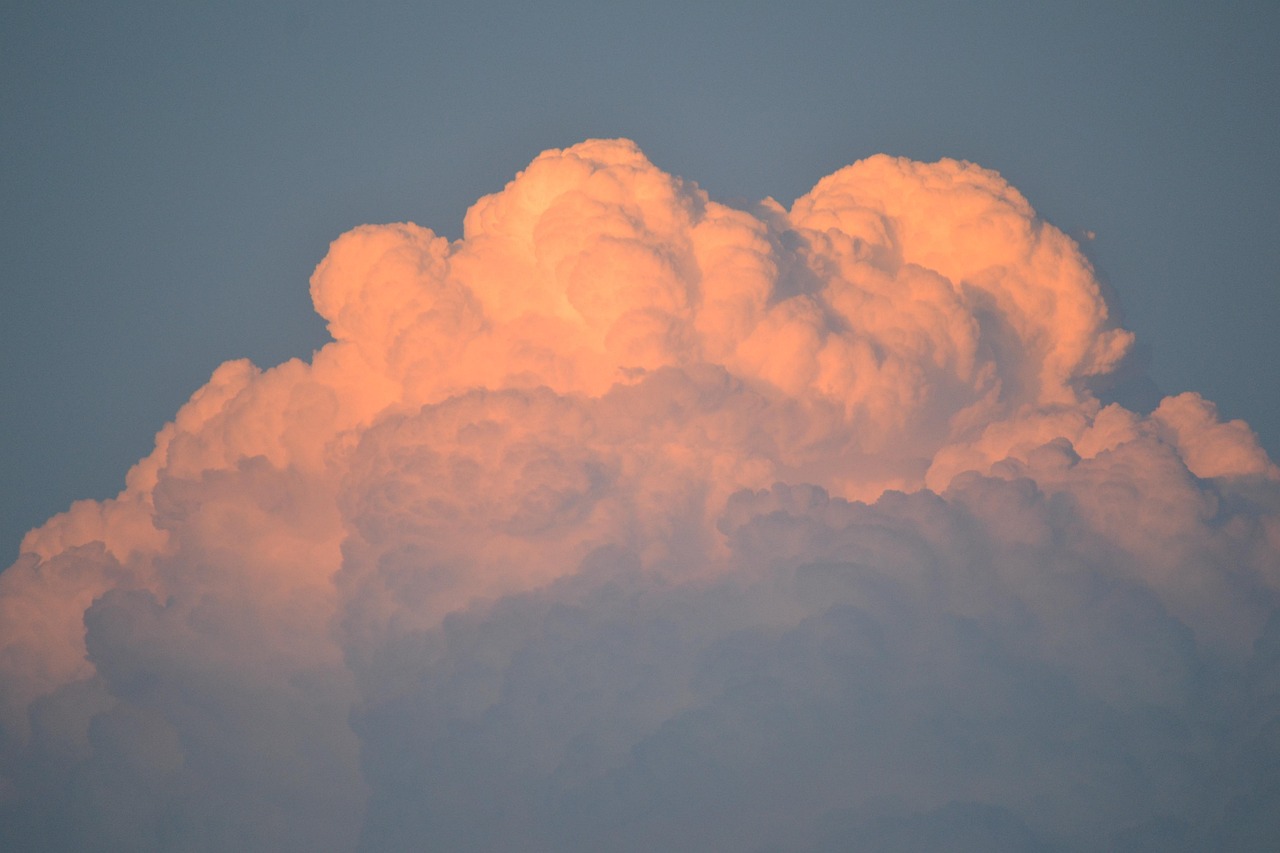

Severe storms: Key Takeaways
Severe Storms Threaten DC: Tornadoes Possible
As the DC area braces for severe weather conditions, the threat of tornadoes looms large. Today, meteorologists have issued warnings for severe storms, emphasizing the potential for tornadoes and damaging winds. Residents are urged to stay informed and prepared as the weather system moves in.
The National Weather Service has categorized this weather event as ‘very rare,’ with the potential to cause significant disruptions. The combination of warm, moist air and an approaching cold front creates ideal conditions for severe weather, making it crucial for residents to heed warnings and take necessary precautions.
Quick Summary
- Severe weather warnings issued for the DC area
- Potential for tornadoes and damaging winds
- National Weather Service describes risk as ‘very rare’
- Residents advised to stay informed and prepared
- Cold front responsible for severe weather conditions
Understanding the Severity of the Storm
The DC area faces a rare and significant weather event today, with the National Weather Service warning of severe storms capable of producing tornadoes. This unusual weather pattern is driven by an intense cold front moving in from the west, colliding with warm, humid air over the region. Such conditions are ripe for the development of severe thunderstorms, which can spawn tornadoes and produce damaging winds.
This weather system is expected to impact a wide area, with authorities issuing warnings across multiple states. In North Carolina, officials have also issued alerts, urging residents to stay vigilant as the storm progresses. The potential for severe weather has prompted statewide warnings, with many areas under a tornado watch.
Preparing for Severe Weather
With the threat of severe weather imminent, residents are encouraged to take proactive measures to ensure their safety. The National Weather Service advises individuals to stay updated with the latest weather forecasts and keep emergency kits ready. In the event of a tornado warning, it is crucial to seek shelter immediately, preferably in a basement or an interior room on the lowest floor of a sturdy building.
Additionally, securing outdoor objects and staying away from windows can help minimize the risk of injury during high winds. Residents should also have a plan in place for communication in case of power outages. Keeping mobile devices charged and having alternative power sources can be vital during emergencies.
Weather Impact on the Community
The impact of severe weather extends beyond immediate safety concerns. Potential tornadoes and damaging winds can lead to power outages, property damage, and disruptions to daily life. Schools and businesses may face closures, and transportation systems could experience delays.
Community leaders are working closely with emergency services to ensure a coordinated response to any incidents that may arise. Local governments are advising residents to follow official channels for updates and adhere to any evacuation orders if issued. This collective effort aims to minimize the impact of the storm and ensure the safety and well-being of all residents.
Conclusion
As severe weather bears down on the DC area, residents are urged to remain alert and prepared. The threat of tornadoes and damaging winds underscores the importance of following official guidance and taking proactive steps to ensure personal safety. By staying informed and ready to act, the community can weather this storm with resilience.
For more detailed updates, visit the National Weather Service and stay connected with local news outlets.
Analysts say Severe storms now sits at the center of a broader shift, with consequences that could extend beyond the immediate headline and shape decisions in the coming weeks.
Reporting around Severe storms has also highlighted how quickly circumstances can change, making context and verified updates essential for readers trying to separate signal from noise.Officials and industry observers are watching Severe storms closely, noting that the next phase of the story may depend on timing, policy responses, and cross-market reactions.
For audiences tracking Severe storms, the key is to follow credible sources and focus on developments that reveal direction rather than isolated short-term swings.The latest developments connected to Severe storms have reopened questions about strategy, risk, and timing, particularly for stakeholders who need clearer signals before making their next move.
In recent coverage, Severe storms has become a reference point for wider discussions about accountability, communication, and how institutions respond under pressure.Beyond the immediate updates, Severe storms is drawing attention because it links short-term events to longer-term structural trends that are still unfolding.
As the story evolves, reporting on Severe storms is expected to focus increasingly on measurable impacts, official follow-through, and whether early assumptions hold up.Taken together, these updates show why Severe storms matters now and why the next round of confirmed information will be critical to understanding the full impact.
Readers looking for practical clarity can treat Severe storms as a developing story, where each official update adds context to what may happen next.