


China solar energy: Key Takeaways
China solar energy is central to this story, and this analysis explains what matters most right now.
China’s Solar Initiative in Cuba: A Strategic Energy Shift
China’s burgeoning relationship with Cuba is marking a significant turn with its strategic move to bolster the island nation’s solar energy capabilities. As the U.S. tightens its grip on Cuba’s oil supply, China steps in with renewable energy solutions, providing a lifeline that could redefine Cuba’s energy landscape. This shift not only alleviates the strain on Cuba’s National Electric System but also enhances China’s influence in the Caribbean.
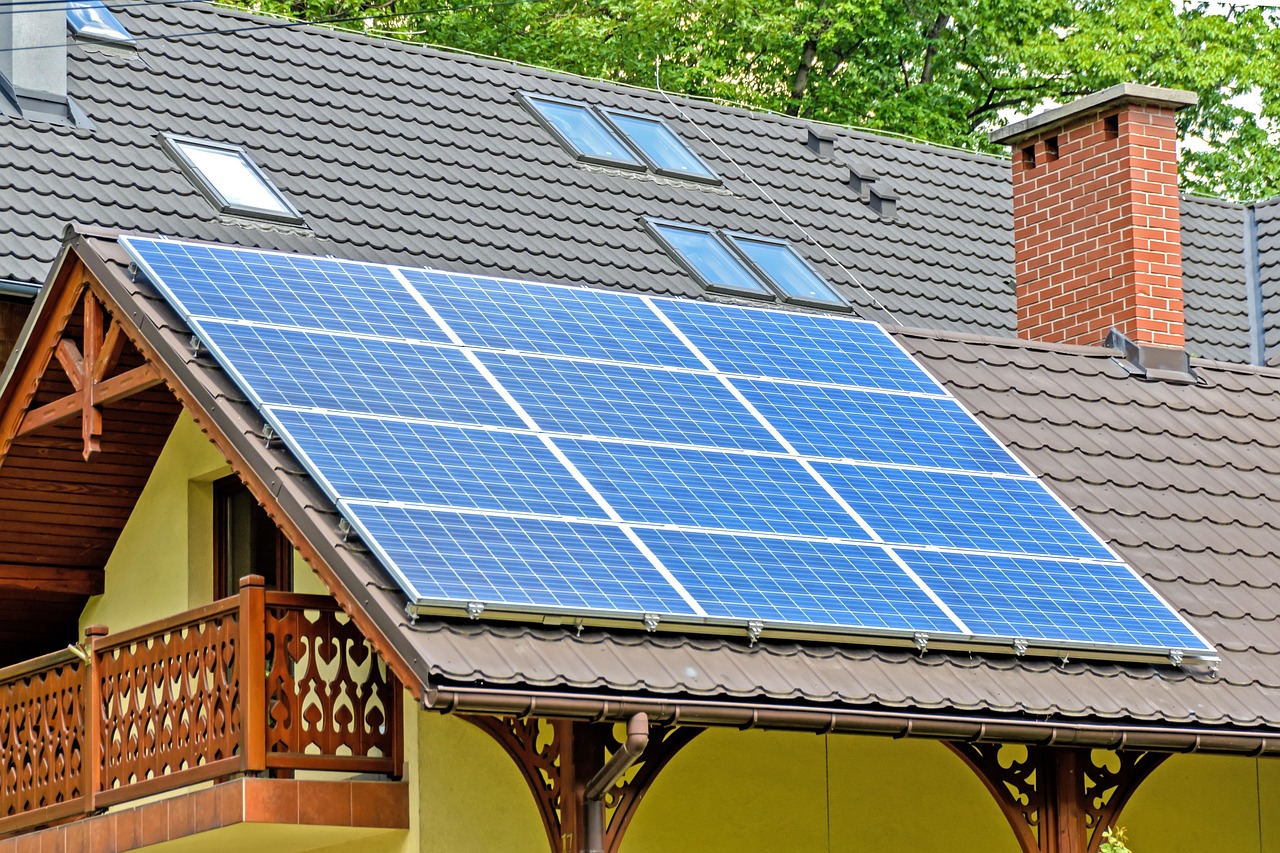
With the U.S. administration under Donald Trump cutting off vital oil supplies to Cuba, the island’s energy situation has grown increasingly precarious. In response, China, showcasing its global leadership in renewable energy, is deploying solar modules to help stabilize Cuba’s energy grid. This move is seen as a dual-purpose strategy, both supporting Cuba’s energy needs and expanding China’s geopolitical reach.
Quick Summary
- China is supplying solar panels to mitigate Cuba’s energy crisis.
- The move strengthens China’s influence in the Caribbean region.
- Renewable energy initiatives align with global sustainability goals.
China’s Strategic Energy Partnership with Cuba
China’s investment in Cuba’s solar energy infrastructure is a testament to its commitment to expanding influence through sustainable energy solutions. By installing new solar modules, China aims to relieve pressure on Cuba’s National Electric System, which has been under strain due to the reduction in oil imports. This initiative not only supports Cuba’s immediate needs but also aligns with China’s long-term strategy of fostering sustainable energy practices globally.
China’s support comes at a critical time for Cuba, as it grapples with energy shortages exacerbated by geopolitical tensions. The introduction of solar energy provides a much-needed alternative to traditional energy sources, reducing reliance on oil and enhancing energy security. Furthermore, this collaboration signals a deepening partnership between China and Cuba, with potential implications for regional politics and international relations.
The Impact of China’s Solar Initiative
The deployment of solar energy in Cuba, facilitated by China’s technological and financial support, is poised to have a transformative impact on the island’s energy sector. By embracing solar power, Cuba can reduce its carbon footprint, contributing to global efforts to combat climate change. This initiative also serves as a model for other nations facing similar energy challenges, demonstrating the viability of renewable energy as a sustainable solution.
Moreover, China’s involvement in Cuba’s energy sector underscores its role as a leader in the global transition to renewable energy. This partnership not only addresses immediate energy needs but also sets the stage for future collaborations in other sectors, potentially paving the way for increased economic and technological exchange between the two countries. The strategic implications of this alliance are significant, as it positions China as a key player in shaping the future of energy in the Caribbean and beyond.
The latest developments connected to China solar energy have reopened questions about strategy, risk, and timing, particularly for stakeholders who need clearer signals before making their next move. In practical terms, that means watching both official statements and real-world indicators to understand whether the current direction is likely to hold.
In recent coverage, China solar energy has become a reference point for wider discussions about accountability, communication, and how institutions respond under pressure. Observers say this broader lens is important because the immediate event is often only one part of a larger sequence of decisions.
Beyond the immediate updates, China solar energy is drawing attention because it links short-term events to longer-term structural trends that are still unfolding. Readers following the story closely are paying particular attention to what changes in response and what remains unresolved after each update.
As the story evolves, reporting on China solar energy is expected to focus increasingly on measurable impacts, official follow-through, and whether early assumptions hold up. That evidence-based framing helps audiences evaluate momentum without overreacting to isolated developments.
Taken together, these updates show why China solar energy matters now and why the next round of confirmed information will be critical to understanding the full impact. Analysts caution that the most meaningful shifts may appear gradually, making sustained coverage more useful than one-off snapshots.
Conclusion
China’s solar initiative in Cuba represents a pivotal moment in the island’s energy landscape. By providing renewable energy solutions, China is not only addressing Cuba’s immediate energy needs but also strengthening its geopolitical influence in the region. This partnership highlights the potential for renewable energy to serve as a bridge between nations, fostering cooperation and sustainability in an increasingly interconnected world.
As global energy dynamics continue to evolve, China’s involvement in Cuba’s solar energy development serves as a reminder of the importance of sustainable solutions in addressing complex geopolitical challenges. With the potential for further collaboration and innovation, this initiative could have far-reaching implications for both countries and the broader international community.
Analysts say China solar energy now sits at the center of a broader shift, with consequences that could extend beyond the immediate headline and shape decisions in the coming weeks. They note that early signals often appear in policy language and market behavior before they are reflected in official summaries, which is why context matters as much as the headline itself.
Reporting around China solar energy has also highlighted how quickly circumstances can change, making context and verified updates essential for readers trying to separate signal from noise. The most reliable coverage connects each new update to the timeline of prior events so audiences can understand what is genuinely new and what is part of a longer trend.
Officials and industry observers are watching China solar energy closely, noting that the next phase of the story may depend on timing, policy responses, and cross-market reactions. Until those responses become clearer, experts recommend focusing on confirmed developments instead of speculation that can distort short-term expectations.
For audiences tracking China solar energy, the key is to follow credible sources and focus on developments that reveal direction rather than isolated short-term swings. That approach helps readers understand not just what happened today, but why the story could carry broader implications over the coming weeks.
Further Reading
Read more on Digital Chew and Read external coverage from Reuters.