

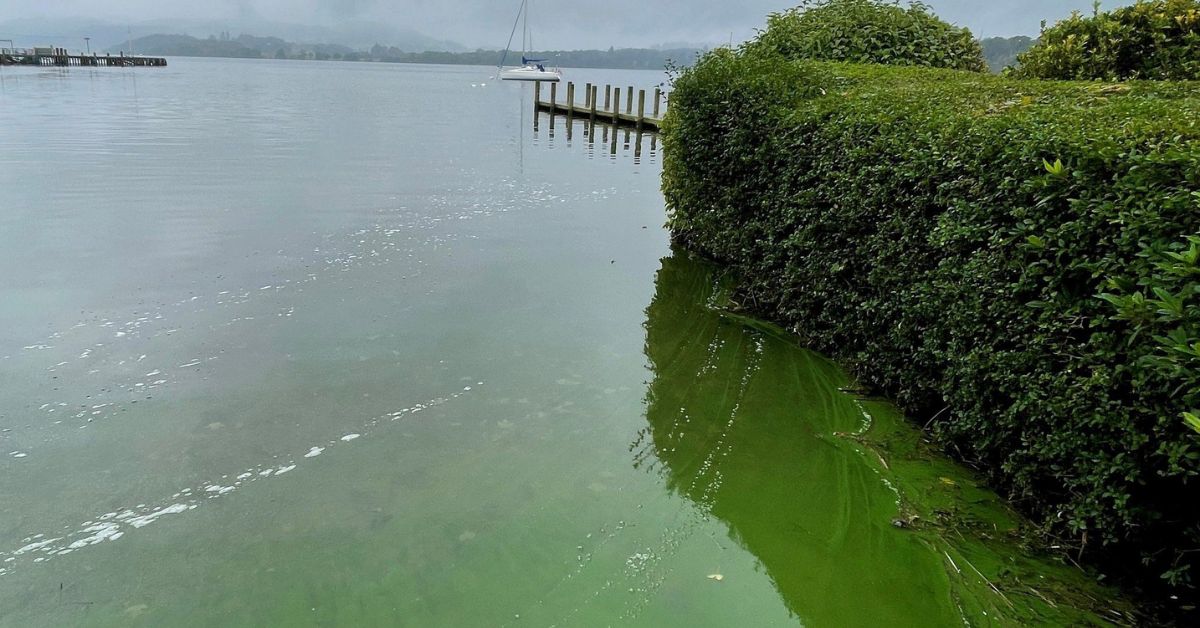

Urgent calls for improved safety measures at one of the United Kingdom’s most visited lakes have intensified after a serious health incident involving a young child. The case has reignited debate about whether current monitoring systems are sufficient to protect the public from hidden risks in open water environments.
Windermere pollution alerts have become a central issue following reports that a seven-year-old boy fell critically ill after being exposed to contaminated lake water during a family outing.
Windermere pollution alerts and rising public concern
The growing demand for Windermere pollution alerts reflects deepening anxiety among visitors, residents, and environmental campaigners. The lake, widely regarded as a symbol of natural beauty and a major tourist destination, now faces renewed scrutiny over the accuracy of its water safety assessments.
The incident that triggered the debate involved a child who had been kayaking with his family. Within days of entering the water, he developed severe symptoms, including stomach pain, vomiting, and internal bleeding. Medical examinations later confirmed that he had contracted a dangerous strain of E. coli, a bacteria often linked to contaminated water sources.
His condition deteriorated rapidly, requiring urgent hospitalization. Over several weeks, he underwent intensive treatment, including emergency procedures and kidney dialysis, after being diagnosed with a serious complication known as haemolytic uraemic syndrome. The case has since become a focal point for those advocating for stronger safety systems and real-time monitoring.
Questions over water quality ratings
Despite the severity of the illness, official sources had previously classified the lake’s water quality as “excellent.” This contradiction has raised serious concerns about how water safety is assessed and communicated to the public.
Current monitoring practices rely on periodic sampling at designated bathing sites, typically conducted during specific months of the year. While these tests provide an overview of water conditions, critics argue that they fail to capture rapid changes caused by environmental factors such as rainfall, sewage discharge, or increased tourist activity.
Windermere pollution alerts are being proposed as a solution to bridge this gap. Campaigners believe that real-time data could offer a more accurate representation of current conditions, allowing visitors to make informed decisions before entering the water.
The role of sewage discharge
One of the key issues driving the push for Windermere pollution alerts is the ongoing concern about sewage entering the lake. Multiple sources, including wastewater treatment systems and storm overflow outlets, contribute to water quality challenges.
During periods of heavy rainfall, these systems can release untreated or partially treated sewage into surrounding waterways. Environmental groups argue that such discharges increase the risk of bacterial contamination, particularly in areas not covered by routine testing.
Independent assessments have reinforced these concerns. In several instances, elevated levels of harmful bacteria have been detected outside official monitoring zones, suggesting that the risk may be more widespread than previously understood.
Impact on visitors and local economy
The lake attracts millions of visitors each year, making it a significant contributor to the regional economy. Outdoor activities such as swimming, boating, and kayaking are central to its appeal, drawing families and tourists from across the country and beyond.
However, the growing focus on Windermere pollution alerts has raised questions about how safety concerns might affect tourism. For many visitors, the assumption of clean and safe water is fundamental to their experience. Incidents involving serious illness have the potential to undermine confidence and alter public perception.
Local businesses, while supportive of environmental improvements, are also mindful of the need to maintain the area’s reputation. Striking a balance between transparency and reassurance has become an important aspect of the ongoing discussion.
Calls for real-time monitoring systems
The concept of Windermere pollution alerts centers on providing up-to-date information about water quality conditions. Similar systems have been implemented in coastal regions, where they offer real-time warnings about pollution levels and potential health risks.
Advocates argue that adopting such technology could significantly improve public safety. By integrating sensors, digital platforms, and public notification systems, authorities could deliver timely updates that reflect current conditions rather than historical data.
This approach would also address one of the key criticisms of existing monitoring methods: the delay between testing and reporting. In rapidly changing environments, even a short lag can result in outdated information being presented as current.
Political attention and policy discussions
The issue of Windermere pollution alerts has begun to attract attention at the national level, with policymakers acknowledging the need for more robust environmental protections. Discussions have focused on how to modernize monitoring systems and reduce sources of contamination.
Proposals include increased funding for infrastructure improvements, stricter regulations on wastewater management, and expanded testing coverage across the lake. There is also growing interest in leveraging technology to enhance transparency and public access to information.
These developments reflect a broader recognition of the importance of safeguarding natural resources while ensuring public health. As environmental challenges become more complex, policymakers are under increasing pressure to implement solutions that are both effective and sustainable.
Scientific and environmental perspectives
Experts in environmental science emphasize that water quality in large lakes is influenced by a range of factors, including weather patterns, human activity, and ecosystem dynamics. This complexity makes it difficult to rely solely on periodic testing to assess safety.
Windermere pollution alerts are seen as a way to incorporate continuous monitoring into existing systems, providing a more comprehensive understanding of water conditions. By collecting and analyzing data in real time, scientists can identify trends, detect anomalies, and respond more quickly to emerging risks.
This approach also aligns with broader efforts to improve environmental management through data-driven decision-making. As technology continues to advance, the potential for more accurate and responsive monitoring systems is expected to grow.
Personal stories driving awareness
The case involving the young boy has had a profound impact on public awareness. His family has spoken about the emotional and physical challenges they faced during his illness, highlighting the importance of timely information and preventive measures.
Their experience has resonated with many, turning a single incident into a wider call for change. By sharing their story, they have helped bring attention to the potential risks associated with recreational water use and the need for improved safety systems.
Windermere pollution alerts have emerged as a key demand from families who want greater assurance that similar incidents can be avoided in the future.
Balancing tourism and environmental safety
Maintaining the balance between promoting tourism and ensuring environmental safety is a complex challenge. The lake’s popularity is both an asset and a source of pressure, as increased visitor numbers can contribute to environmental strain.
Efforts to introduce Windermere pollution alerts are part of a broader strategy to manage this balance. By providing clear and accurate information, authorities can support responsible tourism while protecting public health.
This approach also encourages visitors to engage more thoughtfully with natural environments, fostering a greater appreciation for conservation and sustainability.
The path forward for Windermere pollution alerts
As discussions continue, there is a growing consensus that improvements are needed to address the limitations of current systems. Windermere pollution alerts represent a potential step forward, offering a more dynamic and transparent approach to water safety.
Implementing such systems will require collaboration between government agencies, environmental organizations, and local communities. Investment in technology, infrastructure, and public education will be essential to ensure their effectiveness.
At the same time, addressing the root causes of contamination, including sewage discharge and environmental degradation, remains a critical priority. Without tackling these underlying issues, monitoring systems alone may not be sufficient to guarantee long-term safety.
Conclusion
The call for Windermere pollution alerts highlights a turning point in how water safety is approached in popular natural destinations. The recent health incident has underscored the need for more accurate, timely, and transparent information, prompting renewed efforts to improve monitoring and reduce risks.
As awareness grows and solutions are explored, the focus remains on protecting both public health and the natural environment. The outcome of these efforts will not only shape the future of the lake but also serve as a model for how similar challenges are addressed elsewhere.