

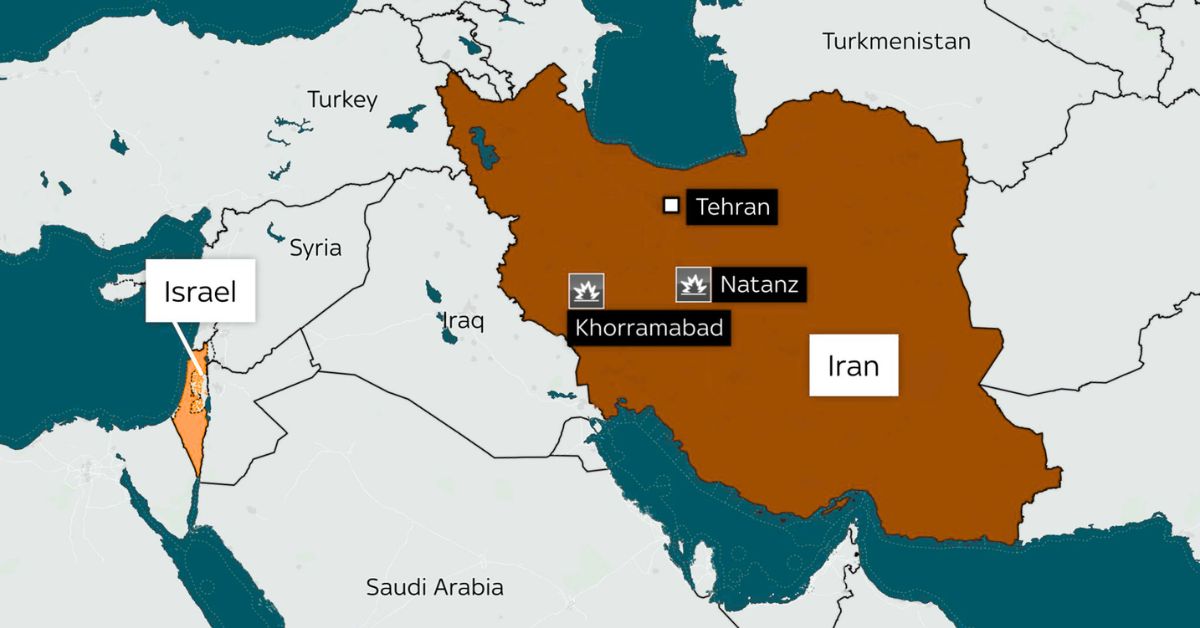

The Israel Iran War has entered a volatile and uncertain phase following Israel’s announcement that it has killed another senior Iranian leader, a move that has sent shockwaves across the Middle East and beyond. The development underscores the growing intensity of the conflict, which is no longer confined to military engagements but is now influencing global markets, diplomatic alignments, and security strategies.
In the immediate aftermath of the strike, Iranian authorities confirmed the death of the leader, signaling a major disruption within the country’s political and military structure. While such targeted operations are often seen as tactical victories, analysts warn that the Israel Iran War is evolving into a broader crisis where individual strikes may not significantly alter the long-term trajectory.
Israel Iran War Escalation Reshapes Regional Dynamics
The latest escalation in the Israel Iran War reflects a pattern of calculated strikes aimed at weakening Iran’s leadership network. These operations demonstrate advanced intelligence capabilities and precision targeting, reinforcing Israel’s strategic focus on dismantling key figures who influence decision-making processes.
However, the removal of senior leadership often has unintended consequences. Experts suggest that instead of weakening Iran’s position, such actions may embolden more hardline factions. These groups may push for stronger retaliation, potentially intensifying the Israel Iran War further and reducing the chances of immediate de-escalation.
The psychological impact of these developments cannot be overlooked. Within Iran, the loss of prominent figures can create uncertainty, but it can also foster unity against external threats. National sentiment may shift toward resilience, with leadership structures adapting quickly to maintain continuity.
Global Oil Markets Feel the Pressure
One of the most significant consequences of the Israel Iran War has been the disruption of global energy supply chains. Iran’s decision to effectively close or restrict access to the Strait of Hormuz—a critical chokepoint for global oil transportation—has triggered sharp fluctuations in oil prices.
This narrow passage is responsible for a substantial portion of the world’s oil shipments. Any disruption in this route immediately affects international markets, leading to increased fuel costs, supply uncertainties, and economic ripple effects across industries.
The Israel Iran War has therefore moved beyond a regional conflict and into a global economic concern. Countries heavily dependent on oil imports are already experiencing rising costs, which are being passed on to consumers through higher transportation and production expenses.
Strategic Calculations and Military Objectives
From Israel’s perspective, targeted eliminations are part of a broader strategy to reduce Iran’s operational capabilities. By disrupting leadership structures, Israel aims to limit coordination among military units and affiliated groups.
However, the Israel Iran War highlights the limitations of such an approach. While tactical successes can create temporary disruptions, they do not necessarily lead to a decisive outcome. Modern conflicts are increasingly complex, involving multiple layers of political, economic, and social factors.
Military analysts emphasize that wars of this nature are rarely resolved through force alone. The Israel Iran War is a clear example of how strategic objectives can extend beyond battlefield victories, requiring a combination of diplomacy and long-term planning.
Rising Tensions and Civilian Impact
As the Israel Iran War intensifies, the humanitarian situation continues to deteriorate. Civilian populations in affected regions are facing increasing risks, with infrastructure damage, displacement, and limited access to essential resources becoming more widespread.
The escalation has also led to heightened security measures in neighboring countries, as governments attempt to prevent the conflict from spilling across borders. This has created an atmosphere of uncertainty, with communities bracing for potential disruptions.
International organizations have expressed concern about the growing civilian toll, urging both sides to consider the broader consequences of continued escalation. The Israel Iran War is no longer just a geopolitical issue—it is also a humanitarian crisis that demands attention.
Role of the United States and Global Powers
The involvement of global powers adds another layer of complexity to the Israel Iran War. The United States, under President Trump, has been closely monitoring developments and engaging with allies to address the escalating situation.
Efforts to stabilize the region have included diplomatic initiatives aimed at reopening critical trade routes and preventing further economic disruption. However, achieving consensus among international stakeholders has proven challenging.
The Israel Iran War has exposed divisions among global powers, with differing priorities and strategies influencing responses. Some nations advocate for immediate de-escalation through dialogue, while others support stronger measures to counter perceived threats.
Economic Consequences Beyond Oil
While the immediate focus has been on oil markets, the economic impact of the Israel Iran War extends far beyond energy. Global supply chains are experiencing disruptions, affecting industries ranging from manufacturing to technology.
Investors are reacting cautiously, with financial markets showing increased volatility. Businesses are reassessing risk exposure, particularly in regions directly or indirectly affected by the conflict.
The Israel Iran War is also influencing currency stability, trade agreements, and investment flows. These factors contribute to a broader economic environment characterized by uncertainty and rapid change.
Internal Political Shifts
Within both Israel and Iran, the Israel Iran War is shaping domestic political landscapes. Leadership decisions, public opinion, and policy directions are all being influenced by the ongoing conflict.
In Israel, the government’s actions are being closely scrutinized, with debates focusing on the effectiveness and long-term implications of current strategies. In Iran, leadership transitions and internal dynamics are becoming increasingly significant as the country navigates external pressures.
The Israel Iran War is therefore not just a military confrontation but also a catalyst for political change within both nations.
Diplomatic Challenges and Opportunities
Despite the escalating tensions, there remains a possibility for diplomatic engagement. History has shown that even the most intense conflicts can eventually lead to negotiations, particularly when economic and humanitarian pressures reach critical levels.
The Israel Iran War presents both challenges and opportunities for diplomacy. On one hand, ongoing hostilities make dialogue difficult. On the other, the shared interest in avoiding further escalation may create incentives for negotiation.
International mediators are exploring potential pathways for dialogue, although progress remains uncertain. The complexity of the Israel Iran War means that any resolution will likely require sustained effort and cooperation.
Long-Term Implications for Global Stability
Looking ahead, the Israel Iran War is expected to have lasting effects on global stability. The conflict is reshaping alliances, influencing defense strategies, and altering the geopolitical landscape.
Countries are reassessing their security policies, investing in new technologies, and strengthening partnerships to address emerging challenges. The lessons learned from the Israel Iran War will likely influence future approaches to conflict management.
The interconnected nature of modern geopolitics means that developments in one region can have far-reaching consequences. The Israel Iran War serves as a reminder of how quickly local tensions can escalate into global concerns.
Uncertain Path Forward
As the Israel Iran War continues to unfold, uncertainty remains the defining characteristic. While individual events—such as the killing of a senior leader—capture global attention, they represent only one aspect of a much larger and more complex situation.
The path forward will depend on a combination of factors, including military decisions, diplomatic efforts, and economic conditions. Each of these elements will play a role in shaping the future of the conflict.
For now, the Israel Iran War stands as a critical issue with implications that extend far beyond the immediate region. Governments, businesses, and individuals around the world are closely watching developments, aware that the outcomes will influence not just regional stability but the global order as well.