

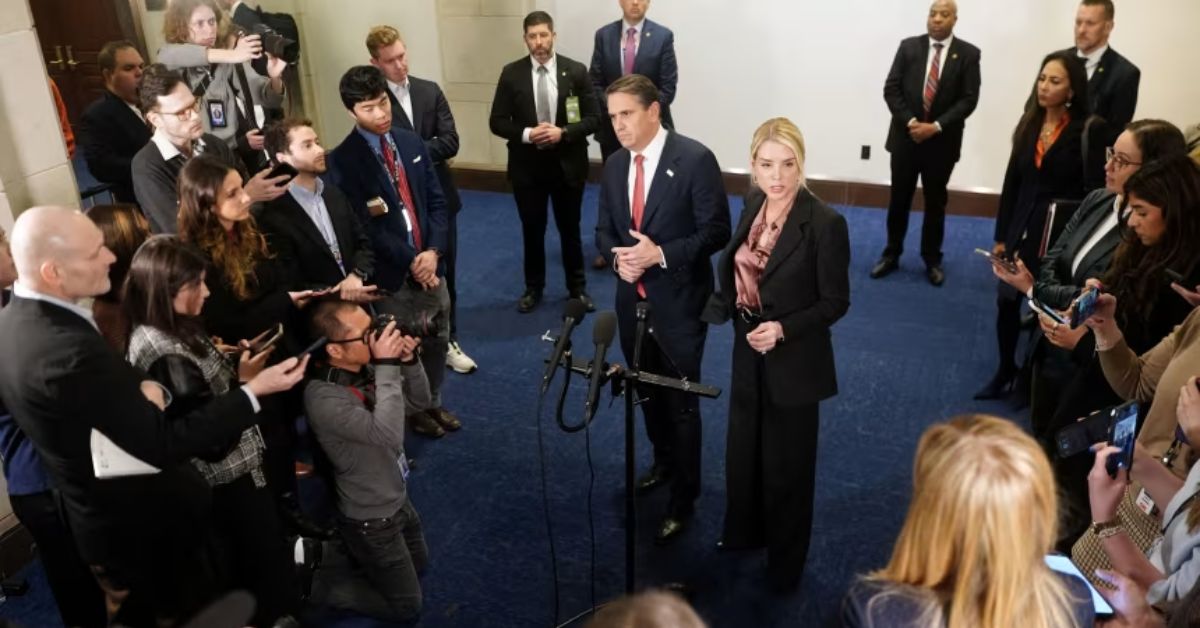

The latest developments surrounding Epstein have triggered a political confrontation in Washington, as lawmakers walked out of a high-level briefing that was meant to address growing concerns about transparency. What began as a closed-door discussion quickly escalated into a public dispute, reflecting deep divisions over accountability and the handling of sensitive information tied to one of the most controversial cases in recent history.
The session was expected to provide clarity and reassurance to lawmakers who have been demanding answers. Instead, it ended abruptly, leaving more questions than answers and intensifying scrutiny over how officials are managing the situation.
A Tense Start to the Epstein Briefing
The Epstein briefing was organized to address mounting concerns among lawmakers regarding the release and handling of documents connected to the case. Expectations were high, as members from both parties sought clarity on unresolved issues.
However, from the outset, the tone of the meeting appeared strained. Lawmakers entered the room with pointed questions and concerns, reflecting weeks of frustration over perceived delays and incomplete disclosures.
As discussions began, it became evident that the session would not proceed as smoothly as planned. The atmosphere quickly shifted from cautious optimism to visible tension, setting the stage for what would soon become a dramatic political moment.
Dispute Over Accountability and Testimony
At the center of the conflict was a disagreement over whether key officials would agree to provide sworn testimony. Lawmakers pressed repeatedly for a clear commitment, emphasizing the importance of accountability in a matter of such public significance.
The refusal to provide a definitive answer became a turning point in the meeting. Several lawmakers expressed concern that without sworn testimony, there would be no assurance of full transparency.
This disagreement underscored a broader issue that has been building over time — a growing lack of trust between lawmakers and those responsible for overseeing sensitive investigations. The situation escalated as frustration turned into open disagreement, with voices raised and tensions visibly increasing.
Walkout Marks Escalation
The decision by lawmakers to walk out of the Epstein briefing marked a significant escalation. What had been intended as a confidential discussion quickly transformed into a symbolic protest.
Participants later described the walkout as a necessary step to signal dissatisfaction with how the meeting was being conducted. For many, remaining in the room without clear answers was no longer acceptable.
The walkout itself lasted only moments, but its impact was immediate. It drew national attention and highlighted the depth of the divide over how the case is being handled.
Bipartisan Frustration Comes Into Focus
Although the walkout was led by Democrats, frustration over the situation has not been limited to one party. In recent weeks, there have been signs of bipartisan concern regarding the pace and scope of information being shared.
Some lawmakers from across the political spectrum have indicated that the issue goes beyond politics, touching on fundamental questions about transparency and institutional responsibility.
This broader frustration has added weight to the controversy, making it more than just a partisan dispute. It reflects a shared concern about whether the system is functioning as intended when it comes to high-profile investigations.
Epstein Case Continues to Draw Attention
The Epstein case has long been a focal point of public interest, largely due to its far-reaching implications and connections to influential figures. The ongoing debate over document access and disclosure has only intensified that attention.
Public interest remains high, with many closely following developments and demanding greater clarity. The case has become a symbol of broader concerns about accountability and fairness, making every new development significant.
The recent briefing controversy has added another layer to this ongoing narrative, reinforcing the perception that key questions remain unanswered.
Concerns Over Transparency
Transparency has emerged as the central issue in the aftermath of the Epstein briefing walkout. Lawmakers have repeatedly emphasized the need for clear and complete information, particularly in cases that carry such public importance.
The lack of definitive answers during the meeting has raised concerns that critical details may not yet be fully disclosed. This has led to renewed calls for stronger oversight and more rigorous accountability measures.
For many observers, the situation highlights the challenges of balancing legal constraints with the public’s right to know. While certain information may be restricted, the demand for transparency continues to grow.
Political and Institutional Implications
The fallout from the Epstein briefing is likely to have broader implications beyond the immediate controversy. It raises questions about how institutions handle sensitive information and how they respond to demands for accountability.
The incident also reflects the increasingly complex relationship between lawmakers and government agencies. When trust breaks down, even routine briefings can become flashpoints for larger disputes.
In this context, the walkout can be seen as more than just a reaction to a single meeting. It represents a deeper challenge in maintaining confidence in institutional processes.
Public Trust at Stake
Public trust is a critical factor in cases like Epstein, where the stakes are high and the details are complex. When transparency is questioned, it can have a ripple effect on how institutions are perceived.
The recent events have added to concerns that the public may not be receiving a full and accurate picture. This perception can be difficult to address once it takes hold, making transparency all the more important.
Ensuring trust requires consistent communication, clear explanations, and a willingness to address concerns directly. Without these elements, skepticism is likely to persist.
What Comes Next After the Epstein Briefing
In the wake of the walkout, attention is now turning to what steps will be taken next. Lawmakers are expected to continue pressing for answers, potentially through additional hearings or formal proceedings.
There may also be renewed efforts to secure sworn testimony, as this has become a central point of contention. The outcome of these efforts could shape the direction of the broader investigation and determine how the situation evolves.
At the same time, officials involved in the process may seek to rebuild trust and address the concerns raised during the briefing. Whether these efforts will be successful remains to be seen.
Ongoing Scrutiny and National Focus
The Epstein case remains under intense scrutiny, and the recent briefing has only heightened that attention. Each development is closely watched, not only by lawmakers but also by the public.
This level of scrutiny reflects the broader significance of the case. It is not just about the details of one investigation, but about how systems operate and whether they deliver accountability.
As the situation continues to unfold, it is likely to remain a key topic of discussion, with implications that extend beyond the immediate controversy.
Conclusion
The Epstein briefing walkout has underscored the growing tension between lawmakers and officials over transparency and accountability. What was intended to provide clarity instead exposed deeper divisions and raised new questions about how sensitive cases are handled.
As pressure continues to build, the focus will remain on whether meaningful steps are taken to address these concerns. The outcome will play a crucial role in shaping public trust and determining how similar situations are managed in the future.