

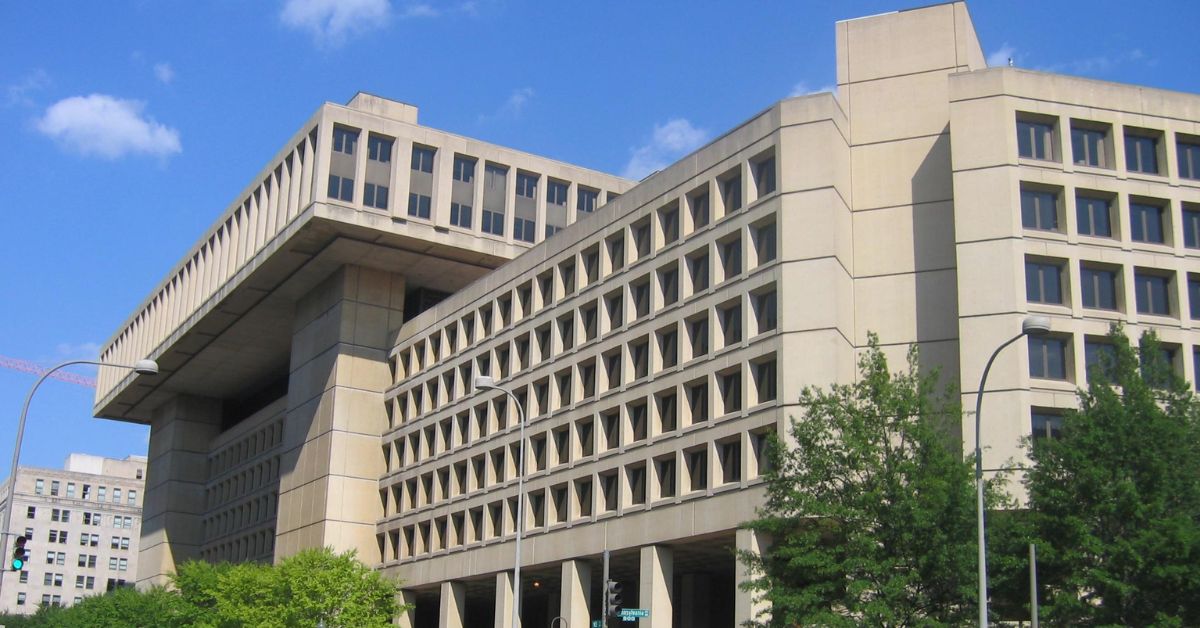

The unfolding developments surrounding the FBI Probe into former counterterrorism chief Joe Kent have triggered widespread attention across Washington, raising serious questions about internal divisions in US national security leadership. His sudden resignation, combined with an ongoing investigation, has brought renewed scrutiny to policy disagreements, particularly those centered on Iran.
The timing of these events has added to the uncertainty. Officials have remained cautious in releasing detailed information, but the overlap between the probe and Kent’s departure has created a narrative that extends far beyond a routine leadership transition.
FBI Probe Raises Concerns Over Leadership Stability
The FBI Probe began before Joe Kent stepped down from his role, according to multiple reports. While the nature of the investigation has not been publicly disclosed, the mere existence of such scrutiny involving a senior official has prompted concern within intelligence and defense circles.
In high-level national security roles, investigations are handled with extreme sensitivity. Even without confirmed findings, such developments can impact both public confidence and internal coordination. The situation has led to speculation about disagreements within leadership ranks and whether those disagreements played a role in triggering the inquiry.
At the same time, officials have emphasized the importance of due process, urging caution against drawing conclusions before more information becomes available. Still, the situation has placed the spotlight firmly on the inner workings of national security decision-making.
A Resignation That Raises Questions
Joe Kent’s resignation came unexpectedly, especially given the critical nature of his position. As head of the National Counterterrorism Center, he was responsible for overseeing intelligence coordination and threat assessment at a time of evolving global risks.
Leadership changes in such roles are typically planned and communicated carefully. However, in this case, the sudden nature of the departure has fueled speculation about underlying tensions.
The FBI Probe has further intensified these concerns, with analysts noting that the combination of an investigation and a resignation often signals deeper institutional challenges. Whether the probe directly influenced his decision to step down remains unclear, but the timing has made it a central point of discussion.
Iran Policy Disagreements at the Core
At the heart of the controversy lies a disagreement over how the United States should approach Iran. The debate over Iran’s threat level has long been a point of division among policymakers, but recent developments appear to have amplified these differences.
Reports suggest that Kent’s assessment of the situation may have differed from the broader direction set by leadership. Such differences are not uncommon in national security discussions, where complex global dynamics often lead to varying interpretations.
However, when these disagreements intersect with policy implementation, they can have significant consequences. The FBI Probe has drawn attention to how these internal debates can escalate, especially when they involve high-ranking officials.
The situation underscores the challenges of balancing diverse perspectives while maintaining a unified national security strategy.
Strong Reactions From Leadership
The response from the administration following Kent’s resignation has been notably direct. President Donald Trump publicly criticized Kent, describing him as weak on security and emphasizing the seriousness of the Iran threat.
Such statements are unusual in the context of intelligence leadership, where disagreements are typically addressed privately. The public nature of the criticism has added another layer to the unfolding situation, highlighting the intensity of the policy divide.
The FBI Probe, in this context, has taken on additional significance. It is not only about the investigation itself but also about how it reflects broader tensions within the administration.
Oversight and Strategic Direction
The National Counterterrorism Center operates under the supervision of the Director of National Intelligence, who plays a key role in shaping strategic direction. Following the resignation, officials reiterated that decisions regarding threat assessments ultimately rest with the president.
This chain of authority is designed to ensure clarity and accountability, even in the face of internal disagreements. However, the current situation suggests that maintaining alignment across different levels of leadership can be challenging.
The FBI Probe has brought these dynamics into focus, raising questions about how policy decisions are communicated and implemented within the system.
A Career Defined by Service
Joe Kent’s career spans both military and intelligence service, reflecting years of experience in counterterrorism operations. As a member of the Special Forces, he participated in multiple deployments, gaining firsthand insight into global security challenges.
After transitioning to intelligence work, he continued to play a role in shaping national security strategy. His appointment to a senior leadership position was seen as a continuation of that trajectory.
His personal experiences, including significant loss during his service years, have also been noted as influencing his perspective on security issues. These factors have contributed to a complex profile that is now being examined in light of the FBI Probe.
Broader Implications of the FBI Probe
The FBI Probe has implications that extend beyond one individual. It reflects broader challenges within the national security framework, particularly when it comes to managing internal disagreements.
Differences in threat assessment, policy priorities, and strategic approaches are inherent in complex systems. However, when those differences become public or intersect with investigations, they can impact both perception and effectiveness.
The situation has prompted discussions about how institutions can maintain cohesion while allowing for diverse viewpoints. It also raises questions about the processes in place for resolving conflicts at the highest levels.
Political and Strategic Ramifications
The developments come at a time when global security concerns are rapidly evolving. Decisions about how to respond to emerging threats require both clarity and coordination.
The FBI Probe and Kent’s resignation have introduced an element of uncertainty into this equation. Analysts have noted that such situations can influence both domestic policy discussions and international perceptions.
From a political standpoint, the controversy highlights the intersection of governance and security. Leaders must navigate the balance between transparency and the need to protect sensitive information.
The situation also underscores the importance of consistent messaging, particularly when dealing with complex issues like Iran policy.
What Lies Ahead
As the investigation continues, attention will remain focused on its findings and their implications. The FBI Probe is likely to shape discussions about leadership, policy alignment, and institutional processes in the months ahead.
There is also a broader question about how the system adapts to such challenges. Ensuring stability while addressing underlying issues will be critical for maintaining confidence in national security operations.
The outcome of the probe may influence future appointments and policy decisions, making it a key development to watch.
Conclusion
The FBI Probe into Joe Kent, combined with his sudden resignation, has brought significant attention to internal dynamics within US national security leadership. While many details remain unclear, the situation highlights the complexities of managing policy disagreements, maintaining institutional stability, and addressing evolving global threats.
As debates over Iran continue, the developments serve as a reminder of how internal challenges can shape broader strategic outcomes. The focus moving forward will be on clarity, accountability, and restoring confidence in the systems designed to protect national security.