

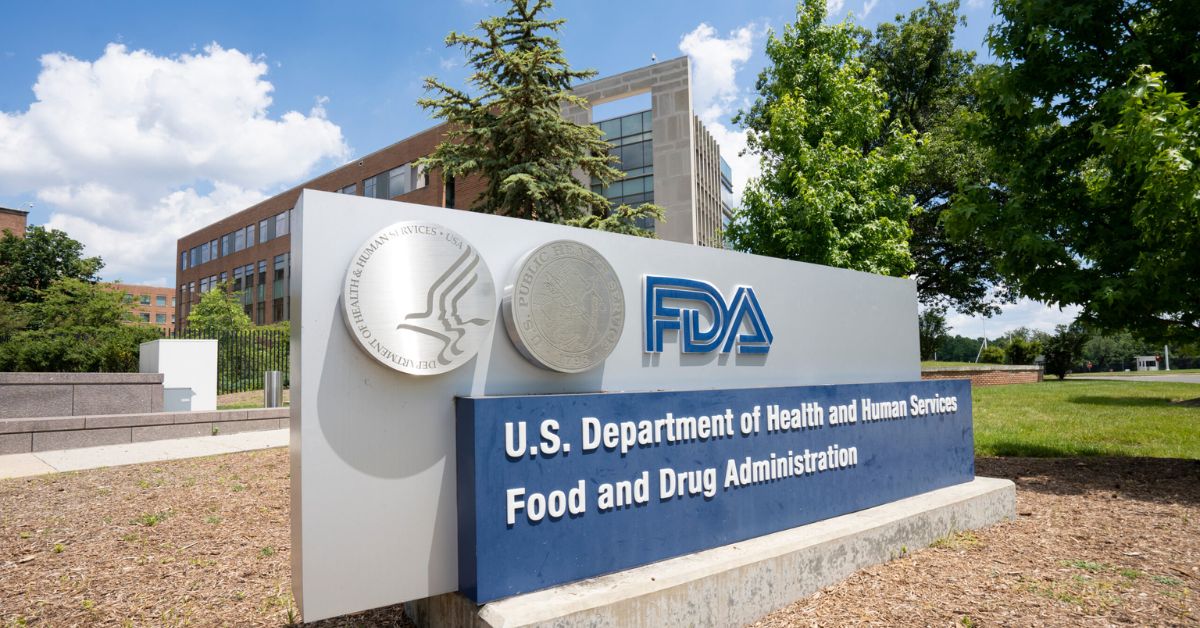

The FDA children’s ibuprofen recall has drawn national attention after nearly 90,000 bottles of a commonly used pediatric medication were pulled from circulation due to contamination concerns.
Health officials confirmed that the recall was initiated after reports of foreign substances found inside sealed bottles, raising alarms among parents and healthcare providers. The product, widely used to reduce fever and relieve pain in children, had been distributed across the United States before the issue was identified.
Growing Concern Over FDA Children’s Ibuprofen Recall
The FDA children’s ibuprofen recall emerged after consumers reported unusual particles inside the liquid medication. Some described seeing black specks, while others noticed a gel-like formation that appeared inconsistent with the product’s normal composition.
Such findings immediately triggered safety reviews, as medications for children are held to particularly strict standards. Even minor deviations in quality can create widespread concern due to the vulnerability of young patients.
Authorities emphasized that while no widespread injuries have been confirmed, the presence of foreign material in a pediatric product requires immediate action. As a result, the affected batches were removed from shelves to prevent further distribution.
What Led to the FDA Investigation
The FDA children’s ibuprofen recall began with consumer complaints, which are often the first indicator of a potential issue in pharmaceutical products. These reports prompted laboratory testing and internal quality checks, ultimately confirming inconsistencies within certain batches.
Manufacturing defects can occur at different stages, including formulation, packaging, or storage. In this case, investigators focused on identifying how foreign substances entered sealed containers, a scenario that typically points to production or quality control lapses.
The company involved voluntarily initiated the recall, working alongside regulators to limit risk. While voluntary recalls are a standard safety mechanism, they also highlight the importance of continuous monitoring in pharmaceutical production.
Scope and Distribution of the Affected Product
The FDA children’s ibuprofen recall covers approximately 90,000 bottles of oral suspension medication. The product had been distributed nationwide, meaning households across multiple states may have purchased affected units.
The medication is commonly found in pharmacies, supermarkets, and online retail platforms. Because of its widespread availability, the recall has reached a broad consumer base, increasing the urgency of public awareness.
Parents are advised to carefully check packaging details, including lot numbers and expiration dates, to determine whether their product is included. Identifying affected bottles is a crucial step in preventing accidental use.
Health Risks Linked to the Recall
The FDA children’s ibuprofen recall has been classified as a moderate-risk situation, meaning the likelihood of serious harm is relatively low. However, the presence of unknown substances still poses potential risks, particularly for children with sensitive immune systems.
Possible health effects may include mild irritation, digestive discomfort, or allergic reactions, depending on the nature of the contaminant. While severe outcomes are considered unlikely, medical professionals stress that any compromised medication should be avoided entirely.
Parents are encouraged to monitor children who may have already consumed the product and seek medical advice if unusual symptoms appear. Early intervention remains key in minimizing potential complications.
Why Quality Control Matters in Pediatric Medicine
The FDA children’s ibuprofen recall underscores the critical importance of quality assurance in medications designed for children. Pediatric drugs must meet rigorous standards to ensure both safety and effectiveness.
Manufacturers are required to follow strict guidelines throughout production, including ingredient testing, sterilization processes, and packaging verification. Even small errors in these processes can result in contamination or product inconsistency.
This incident highlights the need for continuous improvement in manufacturing systems, including advanced monitoring technologies and more robust inspection protocols. Ensuring reliability is essential to maintaining public trust in healthcare products.
Response From Health Authorities
The FDA children’s ibuprofen recall prompted swift communication from regulatory bodies, emphasizing transparency and public safety. Officials issued clear instructions advising consumers to stop using the affected product immediately.
Retailers were also notified to remove impacted batches from shelves, preventing further sales. Coordination between manufacturers, distributors, and regulatory agencies played a key role in containing the issue.
Health authorities continue to monitor the situation closely, ensuring that any additional risks are identified and addressed promptly. Such oversight is vital in maintaining confidence in the healthcare system.
Guidance for Parents and Caregivers
The FDA children’s ibuprofen recall serves as a reminder for parents to remain vigilant when using over-the-counter medications. Even widely trusted products can occasionally face quality concerns.
Parents should:
- Inspect medication for unusual appearance or texture
- Verify lot numbers against recall notices
- Store medications properly to avoid contamination
- Consult healthcare providers for alternative treatments
Taking these precautions can help reduce risk and ensure children receive safe and effective care.
Broader Implications of the FDA Recall
The FDA children’s ibuprofen recall raises broader questions about pharmaceutical oversight and manufacturing practices. While recalls are relatively common, each incident provides an opportunity to improve safety systems.
Industry experts suggest that increased automation and stricter compliance measures could reduce the likelihood of similar issues in the future. Enhanced transparency and faster reporting mechanisms may also help detect problems earlier.
For consumers, the recall highlights the importance of staying informed. Awareness of safety alerts and recall announcements can significantly reduce exposure to potentially compromised products.
Ongoing Monitoring and Future Steps
The FDA children’s ibuprofen recall remains under review as authorities continue investigating the root cause of the contamination. Identifying the source is essential to preventing recurrence and ensuring long-term safety improvements.
Manufacturers may implement additional safeguards, including revised production protocols and enhanced quality checks. These measures aim to strengthen the reliability of pharmaceutical products and restore consumer confidence.
In the coming months, regulatory agencies are expected to release further findings, providing deeper insights into what led to the recall and how similar incidents can be avoided.
Public Trust and Medication Safety
The FDA children’s ibuprofen recall highlights the delicate balance between accessibility and safety in healthcare products. Medications must be both widely available and consistently reliable to meet public needs.
Incidents like this can temporarily shake consumer confidence, but they also demonstrate the effectiveness of monitoring systems designed to protect public health. Swift recalls and clear communication help ensure that risks are minimized.
Maintaining trust requires ongoing commitment from both regulators and manufacturers. Transparency, accountability, and continuous improvement remain essential components of a safe healthcare system.
Conclusion
The FDA children’s ibuprofen recall involving nearly 90,000 bottles serves as a significant reminder of the importance of vigilance in pharmaceutical safety. While the risk to consumers is considered moderate, the presence of foreign substances has prompted decisive action to protect public health.
For families, the priority is clear: check medications, follow official guidance, and seek alternatives when necessary. As investigations continue, the focus remains on ensuring that such incidents are prevented in the future, reinforcing confidence in essential medical products.