

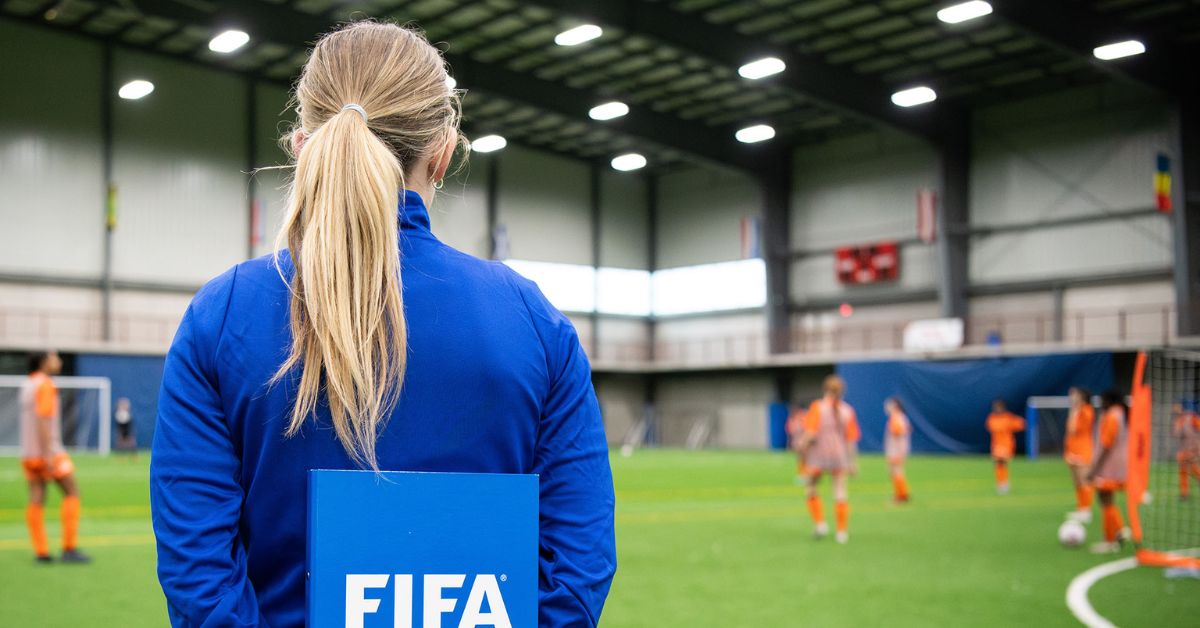

The global football landscape is entering a new phase of transformation as FIFA introduces a policy designed to redefine leadership within the women’s game. The decision reflects a broader effort to address long-standing disparities and create structural opportunities for women in coaching roles across international competitions.
FIFA Women coaching policies have increasingly become a focal point in discussions about equality and representation in sport.
A Structural Shift in Global Football Leadership
The newly introduced regulation requires national teams competing in women’s tournaments to include women in key coaching positions. Under this framework, teams must appoint either a female head coach or ensure a woman serves in an assistant coaching role. In addition, female representation on the bench is expected to expand, signaling a clear institutional push toward inclusion.
The move is not merely symbolic. It establishes a measurable requirement that directly impacts eligibility for major tournaments. As a result, national federations are now compelled to rethink their coaching structures and long-term development strategies.
FIFA Women Coaching Rule and Its Immediate Impact
The FIFA Women coaching rule is expected to influence preparations for upcoming competitions, including the next Women’s World Cup cycle. Teams that fail to meet the requirement risk falling short of compliance standards, placing pressure on federations to act quickly.
For many countries, this means accelerating recruitment efforts and investing in coaching education programs. In regions where female coaching representation has historically been limited, the change presents both a challenge and an opportunity.
The policy also reinforces FIFA Women development pathways, encouraging federations to build sustainable pipelines rather than relying on last-minute adjustments.
Addressing the Leadership Gap
Despite rapid growth in women’s football, leadership roles have remained disproportionately occupied by men. This imbalance has persisted even as participation rates and global viewership continue to rise.
Statistics from recent international tournaments reveal that female head coaches remain a minority. The gap between on-field participation and off-field leadership has become increasingly difficult to ignore. By introducing mandatory requirements, FIFA is attempting to close this gap through direct intervention.
The FIFA Women initiative aims to ensure that leadership reflects the diversity seen on the pitch. This approach aligns with broader global movements advocating for equity in professional environments.
Development Programs and Support Systems
Recognizing that policy alone is not enough, FIFA has also emphasized the importance of supporting women entering coaching careers. Development programs are expected to play a crucial role in preparing candidates for high-level positions.
These initiatives include training courses, mentorship opportunities, and financial assistance. By lowering barriers to entry, FIFA Women programs seek to expand the pool of qualified coaches worldwide.
However, challenges remain. Coaching licenses can be expensive, often requiring significant financial investment. For many aspiring coaches, particularly in developing regions, these costs can be prohibitive.
Efforts to subsidize or sponsor licensing programs are likely to become a key component of the policy’s long-term success.
Economic and Structural Barriers
One of the most significant obstacles facing women in coaching is access to resources. Licensing systems typically involve multiple tiers, each requiring time, money, and institutional support.
Without targeted interventions, these barriers could limit the effectiveness of the new rule. FIFA Women leadership strategies therefore emphasize not only representation but also accessibility.
Clubs and federations are increasingly being encouraged to provide scholarships, sponsorships, and structured career pathways. These measures are intended to ensure that the policy leads to meaningful change rather than superficial compliance.
A Global Standard for Inclusion
By implementing a mandatory rule, FIFA is setting a precedent that may influence other sports organizations. The shift from voluntary guidelines to enforceable requirements marks a significant evolution in how governing bodies approach diversity.
The FIFA Women framework demonstrates a willingness to address systemic issues through policy-driven solutions. This approach could inspire similar initiatives across different levels of sport, from grassroots programs to professional leagues.
National associations may also adopt parallel regulations, further extending the impact of the policy beyond international competitions.
Reactions Across the Football Community
The response to the FIFA Women coaching rule has been varied. Supporters view it as a necessary step toward achieving equality, arguing that representation in leadership is essential for the continued growth of the sport.
They point to the potential benefits of diverse coaching perspectives, including improved player development and more inclusive team environments.
Critics, however, have raised questions about implementation. Concerns include the availability of qualified candidates in certain regions and the logistical challenges of meeting the requirements within tight timelines.
Despite these concerns, there is broad recognition that the policy represents a significant moment in the evolution of women’s football.
Long-Term Implications for the Game
The introduction of the FIFA Women coaching rule is likely to have far-reaching effects. Beyond immediate compliance, the policy encourages federations to invest in long-term development strategies.
This includes identifying talent at the grassroots level, providing education and training, and creating clear pathways to leadership roles. Over time, these efforts could lead to a more balanced and representative coaching landscape.
The visibility of female coaches is also expected to increase, offering role models for the next generation of players. Representation at the highest levels can have a powerful influence on career aspirations and participation.
FIFA Women and the Future of Leadership
As the policy takes effect, its success will depend on consistent enforcement and ongoing support. Monitoring compliance across different regions will require coordination and transparency.
FIFA Women initiatives are expected to evolve alongside the rule, incorporating feedback and adapting to changing circumstances. The goal is not only to meet quotas but to foster an environment where women can thrive in leadership roles.
This shift reflects a broader understanding that diversity strengthens organizations, enhances decision-making, and contributes to sustainable growth.
Preparing for the Transition
For national teams, the transition period will be critical. Federations must assess their current structures, identify gaps, and implement changes to meet the new requirements.
This process may involve recruiting experienced coaches, promoting internal talent, and investing in training programs. Collaboration between governing bodies, clubs, and educational institutions will be essential.
The FIFA Women coaching rule is not an isolated policy but part of a larger strategy aimed at transforming the sport’s leadership landscape.
Challenges and Opportunities Ahead
While the policy introduces new challenges, it also creates opportunities for innovation and progress. Federations that embrace the change may benefit from stronger, more diverse coaching teams.
The emphasis on inclusion could lead to new approaches in training, strategy, and player development. By integrating different perspectives, teams may gain a competitive edge.
At the same time, ensuring that opportunities are distributed fairly across regions will remain a key priority. Addressing disparities in resources and access will be essential for achieving global impact.
A Turning Point for Women’s Football
The FIFA Women coaching rule represents more than a regulatory change. It signals a shift in how leadership is defined and distributed within the sport.
By mandating female representation, FIFA is taking a proactive stance on equality. The policy acknowledges that systemic change requires deliberate action and sustained commitment.
As the global football community adapts to this new reality, the focus will remain on creating an environment where talent and opportunity are aligned.
Conclusion
The FIFA Women coaching rule marks a defining moment in the evolution of women’s football. By requiring female leadership within coaching staff, FIFA is addressing longstanding disparities and setting a new standard for inclusion.
The success of this initiative will depend on effective implementation, continued support, and a commitment to long-term development. As the sport moves forward, the impact of this policy is expected to shape the future of leadership in football for years to come.