


Ozempic generics: Key Takeaways
Ozempic Generics to Cost $14 in 2026 India
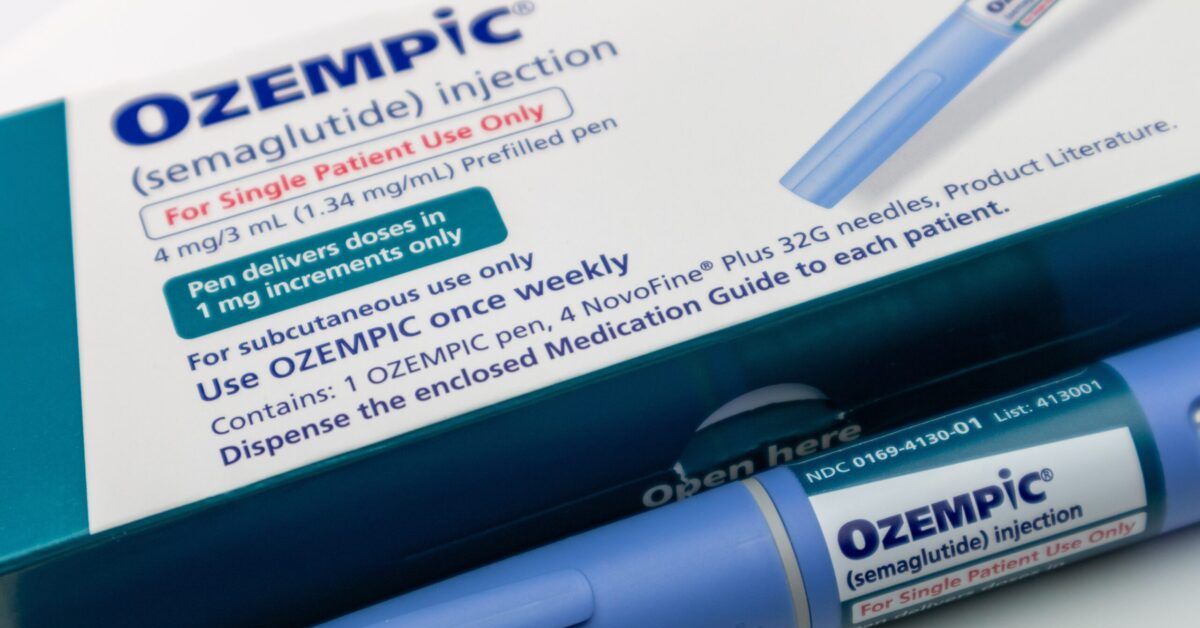
In a significant development, the price of Ozempic generics is set to drop to $14 in India by 2026, marking a new era for GLP-1 medications. This move comes as Novo Nordisk’s patent on semaglutide, the active ingredient in Ozempic, approaches its expiration. With the generic versions of this popular diabetes and weight-loss drug entering the market, Indian pharmaceutical companies are poised to offer affordable alternatives.
The advent of affordable generics is expected to have a profound impact on the global fight against obesity and diabetes. As the expiration of the patent nears, countries like China and Canada are also preparing to introduce their own versions of the drug. This could potentially reshape the accessibility and affordability of weight-loss treatments worldwide.
Impact on Global Health
The introduction of low-cost Ozempic generics is anticipated to revolutionize the healthcare landscape, particularly in nations grappling with high diabetes rates. The availability of these generics at a fraction of the cost will make the drug accessible to millions who previously could not afford it. Experts suggest that this could lead to a decrease in diabetes-related complications and a healthier population overall.
Moreover, the competition among pharmaceutical companies is expected to drive innovation and research in the field of GLP-1 medications. As more players enter the market, advancements in drug efficacy and delivery methods are likely to follow, benefiting patients globally.
Quick Summary
- Ozempic generics to cost $14 in India by 2026.
- Patent expiration opens market in China and Canada.
- Affordable generics to impact global obesity fight.
- Competition to drive innovation in GLP-1 drugs.
- Potential decrease in diabetes-related complications.
Market Dynamics and Competition
As Indian pharmaceutical companies prepare to launch their Ozempic generics, the market is bracing for increased competition. This is expected to benefit consumers through reduced prices and improved product offerings. The entry of generics not only challenges existing brand names but also encourages companies to enhance their research and development efforts.
The potential for competition extends beyond India, as international pharmaceutical firms eye the opportunity to enter new markets. This global competition is likely to lead to a surge in innovation, with companies striving to distinguish their products through improved formulations and delivery systems.
Looking Ahead: Opportunities and Challenges
While the introduction of Ozempic generics presents numerous opportunities, it also poses challenges. Regulatory hurdles, quality control, and market penetration strategies will play a crucial role in determining the success of these generics. Companies must navigate these factors to ensure that their products meet international standards and gain acceptance in the global market.
Despite these challenges, the potential benefits are substantial. With increased access to affordable medication, countries facing high obesity and diabetes rates may see significant improvements in public health. This, in turn, could alleviate the burden on healthcare systems and boost economic productivity.
As we approach 2026, the global pharmaceutical industry is poised for a transformative shift. The introduction of Ozempic generics in India and beyond signifies a critical step toward making effective treatments accessible to all, regardless of financial constraints.
The latest developments connected to Ozempic generics have reopened questions about strategy, risk, and timing, particularly for stakeholders who need clearer signals before making their next move. In practical terms, that means watching both official statements and real-world indicators to understand whether the current direction is likely to hold.
In recent coverage, Ozempic generics has become a reference point for wider discussions about accountability, communication, and how institutions respond under pressure. Observers say this broader lens is important because the immediate event is often only one part of a larger sequence of decisions.
Beyond the immediate updates, Ozempic generics is drawing attention because it links short-term events to longer-term structural trends that are still unfolding. Readers following the story closely are paying particular attention to what changes in response and what remains unresolved after each update.
As the story evolves, reporting on Ozempic generics is expected to focus increasingly on measurable impacts, official follow-through, and whether early assumptions hold up. That evidence-based framing helps audiences evaluate momentum without overreacting to isolated developments.
Taken together, these updates show why Ozempic generics matters now and why the next round of confirmed information will be critical to understanding the full impact. Analysts caution that the most meaningful shifts may appear gradually, making sustained coverage more useful than one-off snapshots.
Readers looking for practical clarity can treat Ozempic generics as a developing story, where each official update adds context to what may happen next. Following that progression over time gives a clearer picture of direction, risk, and likely outcomes.
Conclusion
The upcoming introduction of $14 Ozempic generics in India marks a pivotal moment in the fight against diabetes and obesity. As pharmaceutical companies gear up for this change, the global healthcare landscape is set to benefit from increased accessibility and innovation. By 2026, the availability of affordable generics could transform millions of lives, underscoring the importance of continued investment in pharmaceutical research and development.
Further Reading
Read more on Digital Chew and Read external coverage from Reuters.