


Prague protest: Key Takeaways
Prague protest is central to this story, and this analysis explains what matters most right now.
Thousands Rally in Prague Against Babiš Government
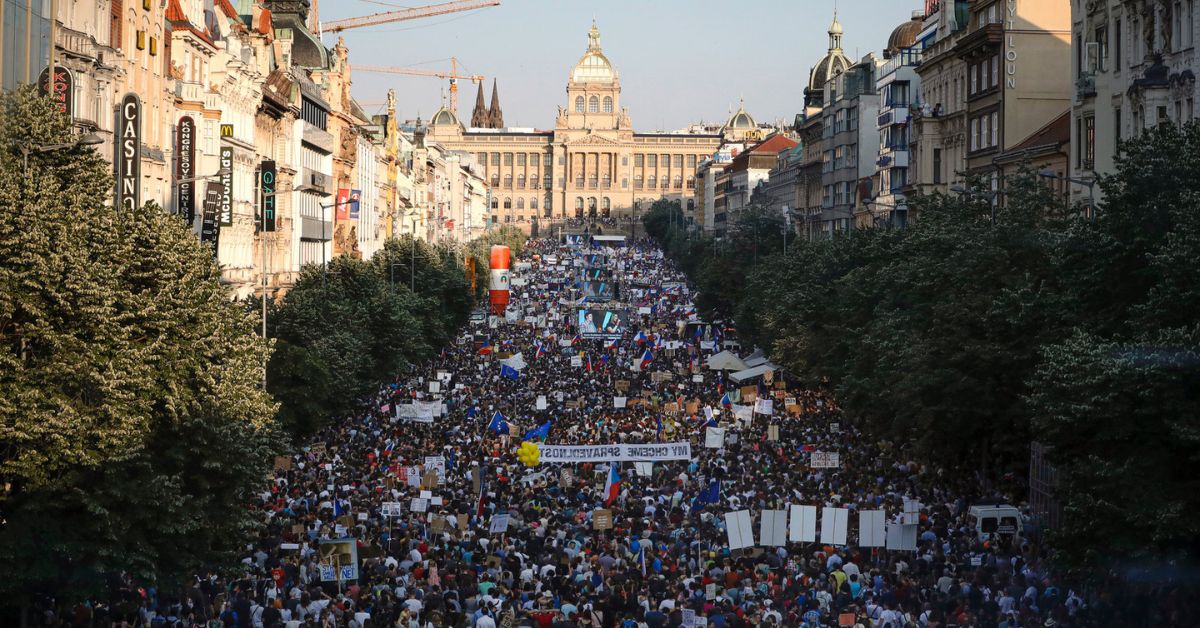
Tens of thousands of protesters took to the streets of Prague over the weekend, voicing their dissatisfaction with the new government led by Czech Prime Minister Andrej Babiš. The protest, seen as the largest anti-government demonstration since 2019, reflects growing public discontent over political issues such as corruption, transparency, and recent legislative proposals. Organizers claim that up to 100,000 people participated, demanding significant changes and accountability from the government.
The protest comes amid debates over a controversial ‘foreign agent’ law being considered by Czech parliament members. This legislation, critics argue, could infringe on civil liberties and target non-governmental organizations that receive foreign funding. The rally’s organizers emphasized the importance of maintaining democratic freedoms and urged the government to reconsider its stance.
Quick Summary
- Up to 100,000 protesters gathered in Prague.
- Focus on corruption and transparency.
- Concerns over ‘foreign agent’ law.
- Organizers demand government accountability.
- Largest protest since 2019.
Protest Roots and Public Sentiment
Many participants cited corruption scandals linked to Prime Minister Babiš as a primary motivator for attending the rally. Babiš, a billionaire businessman turned politician, has faced numerous allegations regarding misuse of EU funds and conflicts of interest. These accusations have eroded public trust and fueled calls for greater government transparency.
Beyond corruption concerns, the proposed ‘foreign agent’ law has also sparked fears of increased government control over civil society. Critics argue the law is reminiscent of similar measures adopted in countries with authoritarian tendencies, potentially stifling critical voices and limiting the operations of NGOs.
Significance of the Protest
The Prague protest is significant not only for its size but also for its potential impact on Czech politics. Demonstrators are calling for a reconsideration of policies and reforms that prioritize citizen rights and democratic values. The rally highlights a critical moment in Czech politics, where public sentiment could influence legislative outcomes and the future of Babiš’s government.
In response to the protest, government officials have acknowledged the public’s concerns but insist that the proposed laws are necessary for national security and transparency. However, opposition leaders and activists remain skeptical, urging continued public engagement and vigilance.
International Reactions and Future Implications
The international community is closely monitoring developments in the Czech Republic, with many expressing support for the protesters’ demands. International human rights organizations have called on the Czech government to uphold democratic principles and ensure that any new legislation respects civil liberties.
As the situation unfolds, the outcome of these protests could set a precedent for other countries facing similar challenges. The extent to which the Czech government addresses public concerns may influence regional politics and inspire similar movements across Europe.
The latest developments connected to Prague protest have reopened questions about strategy, risk, and timing, particularly for stakeholders who need clearer signals before making their next move. In practical terms, that means watching both official statements and real-world indicators to understand whether the current direction is likely to hold.
In recent coverage, Prague protest has become a reference point for wider discussions about accountability, communication, and how institutions respond under pressure. Observers say this broader lens is important because the immediate event is often only one part of a larger sequence of decisions.
Beyond the immediate updates, Prague protest is drawing attention because it links short-term events to longer-term structural trends that are still unfolding. Readers following the story closely are paying particular attention to what changes in response and what remains unresolved after each update.
As the story evolves, reporting on Prague protest is expected to focus increasingly on measurable impacts, official follow-through, and whether early assumptions hold up. That evidence-based framing helps audiences evaluate momentum without overreacting to isolated developments.
Taken together, these updates show why Prague protest matters now and why the next round of confirmed information will be critical to understanding the full impact. Analysts caution that the most meaningful shifts may appear gradually, making sustained coverage more useful than one-off snapshots.
Readers looking for practical clarity can treat Prague protest as a developing story, where each official update adds context to what may happen next. Following that progression over time gives a clearer picture of direction, risk, and likely outcomes.
Conclusion
The recent protests in Prague underscore a pivotal moment for the Czech Republic. With growing calls for transparency and against restrictive laws, the government faces mounting pressure to address citizens’ demands. As the world watches, the resolution of these issues could have lasting implications for Czech democracy and broader European political dynamics.
Analysts say Prague protest now sits at the center of a broader shift, with consequences that could extend beyond the immediate headline and shape decisions in the coming weeks. They note that early signals often appear in policy language and market behavior before they are reflected in official summaries, which is why context matters as much as the headline itself.
Reporting around Prague protest has also highlighted how quickly circumstances can change, making context and verified updates essential for readers trying to separate signal from noise. The most reliable coverage connects each new update to the timeline of prior events so audiences can understand what is genuinely new and what is part of a longer trend.
Officials and industry observers are watching Prague protest closely, noting that the next phase of the story may depend on timing, policy responses, and cross-market reactions. Until those responses become clearer, experts recommend focusing on confirmed developments instead of speculation that can distort short-term expectations.
For audiences tracking Prague protest, the key is to follow credible sources and focus on developments that reveal direction rather than isolated short-term swings. That approach helps readers understand not just what happened today, but why the story could carry broader implications over the coming weeks.
Further Reading
Read more on Digital Chew and Read external coverage from Reuters.