


FCC ban: Key Takeaways
FCC ban is central to this story, and this analysis explains what matters most right now.
FCC Imposes Ban on Foreign Routers: Security Concerns Rise
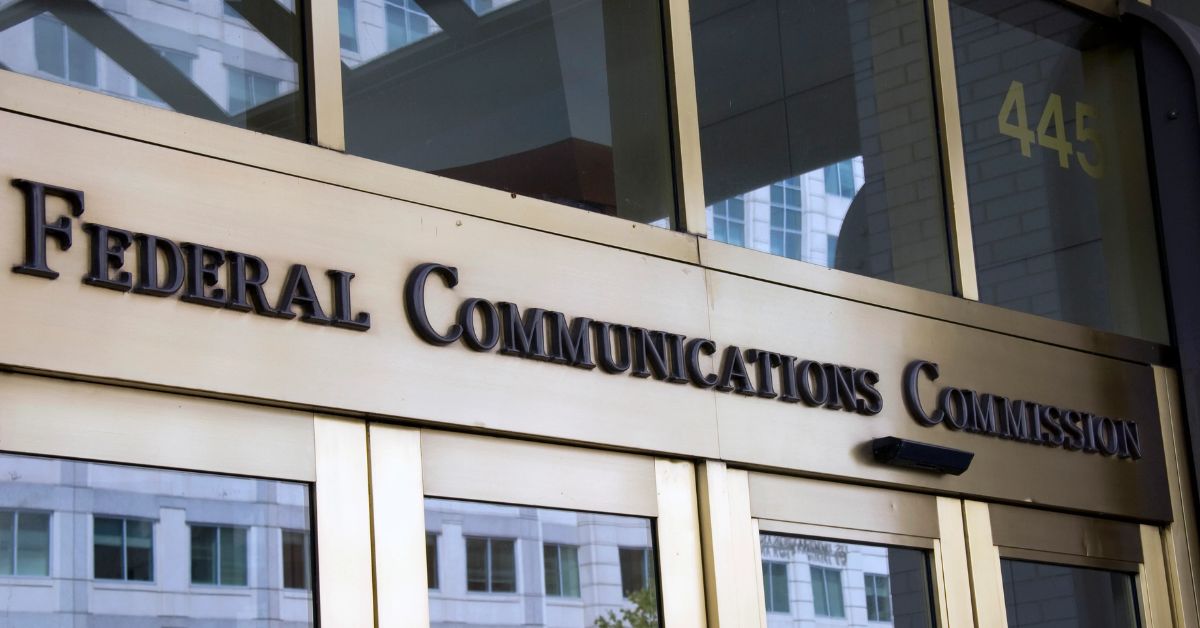
The Federal Communications Commission (FCC) has announced a ban on the import of foreign-made wireless routers, citing significant security concerns. This decisive move aims to protect American consumers from potential cyber threats posed by devices manufactured outside the United States. The decision comes amidst rising tensions over cybersecurity and the increasing need for robust protection of national networks.
In recent years, the reliance on internet-enabled devices has grown exponentially, making the security of these devices a top priority for regulatory bodies. The FCC’s decision aligns with broader government efforts to safeguard national security by controlling the sources of critical technology imports.
Impact of the FCC’s Decision
The ban specifically targets routers manufactured in countries with less stringent regulatory standards. The FCC believes these devices could serve as a gateway for malicious actors to exploit vulnerabilities within domestic networks. By blocking these imports, the FCC aims to mitigate potential risks to both personal and national security.
Experts argue that this measure will have a profound impact on the router market, pushing domestic manufacturers to ramp up production to meet consumer demand. Additionally, consumers may experience a temporary rise in prices as the market adjusts to the new restrictions.
Quick Summary
- The FCC bans foreign-made wireless routers due to security threats.
- This move is part of broader government cybersecurity efforts.
- Domestic manufacturers might see increased demand and production.
- Consumers could face higher prices temporarily.
- The ban highlights the importance of securing digital networks.
Reactions from Industry and Experts
The tech industry has expressed mixed reactions to the FCC’s decision. Some companies argue that the ban is a necessary step to ensure consumer safety, while others fear it could stifle innovation and competition. Industry leaders are calling for clearer guidelines and support to facilitate a smooth transition for businesses affected by the new regulations.
Cybersecurity experts generally support the ban, emphasizing the need for stringent measures to protect against potential threats. They point out that foreign-made routers may not adhere to the same security standards as those manufactured domestically, increasing the risk of cyber attacks.
Looking Forward: Implications for the Future
The FCC’s decision marks a significant shift in how the United States approaches the security of imported technology. As cybersecurity threats continue to evolve, regulatory bodies may implement additional measures to secure digital infrastructure. This trend underscores the importance of developing and maintaining high security standards for all internet-enabled devices.
For consumers, this decision highlights the importance of staying informed about the security features of their devices. As the market adapts, consumers may need to be more discerning in their purchasing decisions, prioritizing security over cost.
In conclusion, the FCC’s recent ban on foreign-made routers reflects a growing concern over cybersecurity threats and the need to safeguard national networks. By limiting imports from countries with less stringent security standards, the FCC is taking a proactive step to protect American consumers and infrastructure. As the industry adjusts to these changes, both manufacturers and consumers will need to prioritize security to navigate this new landscape effectively.
Analysts say FCC ban now sits at the center of a broader shift, with consequences that could extend beyond the immediate headline and shape decisions in the coming weeks. They note that early signals often appear in policy language and market behavior before they are reflected in official summaries, which is why context matters as much as the headline itself.
Reporting around FCC ban has also highlighted how quickly circumstances can change, making context and verified updates essential for readers trying to separate signal from noise. The most reliable coverage connects each new update to the timeline of prior events so audiences can understand what is genuinely new and what is part of a longer trend.
Officials and industry observers are watching FCC ban closely, noting that the next phase of the story may depend on timing, policy responses, and cross-market reactions. Until those responses become clearer, experts recommend focusing on confirmed developments instead of speculation that can distort short-term expectations.
For audiences tracking FCC ban, the key is to follow credible sources and focus on developments that reveal direction rather than isolated short-term swings. That approach helps readers understand not just what happened today, but why the story could carry broader implications over the coming weeks.
The latest developments connected to FCC ban have reopened questions about strategy, risk, and timing, particularly for stakeholders who need clearer signals before making their next move. In practical terms, that means watching both official statements and real-world indicators to understand whether the current direction is likely to hold.
In recent coverage, FCC ban has become a reference point for wider discussions about accountability, communication, and how institutions respond under pressure. Observers say this broader lens is important because the immediate event is often only one part of a larger sequence of decisions.
Beyond the immediate updates, FCC ban is drawing attention because it links short-term events to longer-term structural trends that are still unfolding. Readers following the story closely are paying particular attention to what changes in response and what remains unresolved after each update.
As the story evolves, reporting on FCC ban is expected to focus increasingly on measurable impacts, official follow-through, and whether early assumptions hold up. That evidence-based framing helps audiences evaluate momentum without overreacting to isolated developments.
Taken together, these updates show why FCC ban matters now and why the next round of confirmed information will be critical to understanding the full impact. Analysts caution that the most meaningful shifts may appear gradually, making sustained coverage more useful than one-off snapshots.
Readers looking for practical clarity can treat FCC ban as a developing story, where each official update adds context to what may happen next. Following that progression over time gives a clearer picture of direction, risk, and likely outcomes.
What Comes Next
What happens next with FCC ban will likely depend on upcoming decisions, official statements, and how fast new information is confirmed.
For now, the most reliable approach is to follow verified updates closely and focus on the signals that could shape the next phase of this story.
Further Reading
Read more on Digital Chew and Read external coverage from Reuters.