

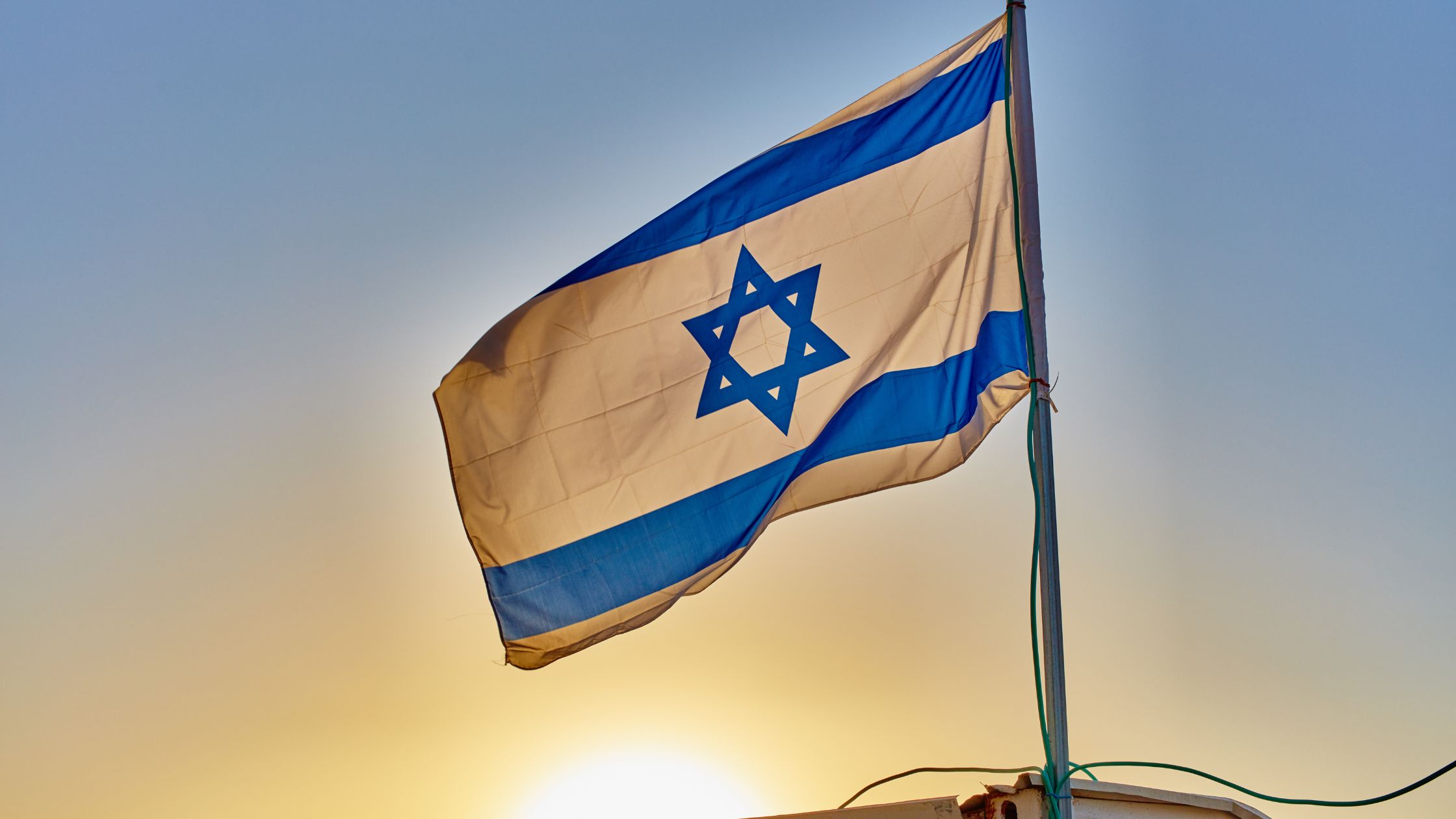

Iran-Israel conflict: Key Takeaways
Iran-Israel conflict is central to this story, and this analysis explains what matters most right now.
Quick Summary
- Iran-Israel conflict is central to this story, and this analysis explains what matters most right now.
- The conflict between Iran and Israel has intensified, capturing global attention and sparking international concern.
- The geopolitical climate in the Middle East has been further destabilized by the recent exchange of hostilities.
- The ongoing tensions have also impacted global oil markets, with prices experiencing fluctuations amid the uncertainty.
Tensions Between Iran and Israel Reach New Heights
The conflict between Iran and Israel has intensified, capturing global attention and sparking international concern. Recent developments include a series of missile attacks by Iranian forces targeting key areas within Israel. This escalation has prompted urgent calls for diplomatic intervention from world leaders, as both countries demonstrate their military capabilities in an increasingly volatile situation.
Conflict Overview and Recent Developments
The geopolitical climate in the Middle East has been further destabilized by the recent exchange of hostilities. Iranian forces launched missile strikes on Israeli targets, causing significant alarm in affected regions. While initial reports suggested a higher casualty count, the number of injuries has been confirmed to be four, with no critical harm. These events have drawn international reactions, with leaders urging restraint and dialogue.
- Iran launched missile attacks on Israel, heightening tensions.
- Global leaders call for immediate diplomatic intervention.
- Israel reinforces its defensive measures in response.
International Reaction and Diplomatic Efforts
World leaders, including U.S. President Donald Trump, have expressed deep concern over the escalating violence. Trump has dismissed Iran’s recent diplomatic gestures as insincere, emphasizing the need for genuine dialogue. Meanwhile, the European Union has urged both nations to exercise caution and engage in meaningful discussions to de-escalate the situation. These diplomatic efforts are critical as the conflict threatens to affect regional stability and global markets.
The ongoing tensions have also impacted global oil markets, with prices experiencing fluctuations amid the uncertainty. Analysts suggest that if hostilities continue, a broader regional conflict could ensue, involving other nations with vested interests. The need for a comprehensive peace plan is urgent, as stakeholders seek to prevent further destabilization in the region.
Impact on Regional Stability and Global Markets
The intensifying conflict between Iran and Israel is reshaping the geopolitical landscape of the Middle East. Neighboring countries are closely monitoring the situation, wary of potential spillover effects. The volatility has highlighted the interconnectedness of global markets, with shifts in oil prices reflecting the uncertainty of the situation.
Strategists and policymakers are calling for a measured approach to prevent further escalation. The latest developments have reopened discussions about strategy, risk, and timing, particularly for stakeholders who need clearer signals before making their next move. Observers emphasize the importance of understanding both official statements and real-world indicators to gauge whether the current trajectory is likely to persist.
Beyond immediate updates, the Iran-Israel conflict is drawing attention because it ties short-term events to longer-term structural trends that are still unfolding. Analysts caution that the most meaningful shifts may appear gradually, making sustained coverage more useful than isolated snapshots. This approach helps audiences evaluate momentum without overreacting to isolated developments.
Conclusion: The Path Forward
As the 2023 Iran conflict escalates, the international community is faced with the challenge of preventing further violence and fostering dialogue between the involved parties. Diplomatic efforts remain a priority, with hopes that a resolution can be achieved before the situation worsens. Global leaders continue to call for calm, urging both Iran and Israel to prioritize peace over aggression.
Analysts say the conflict now sits at the center of a broader shift, with consequences that could extend beyond the immediate headline and shape decisions in the coming weeks. Early signals often appear in policy language and market behavior before they are reflected in official summaries, making context as important as the headline itself.
For audiences tracking the conflict, the key is to follow credible sources and focus on developments that reveal direction rather than isolated short-term swings. This approach helps readers understand not just what happened today, but why the story could carry broader implications over the coming weeks.
Further Reading
Read more on Digital Chew and Read external coverage from Reuters.
Analysts say Iran-Israel conflict now sits at the center of a broader shift, with consequences that could extend beyond the immediate headline and shape decisions in the coming weeks. They note that early signals often appear in policy language and market behavior before they are reflected in official summaries, which is why context matters as much as the headline itself.
Reporting around Iran-Israel conflict has also highlighted how quickly circumstances can change, making context and verified updates essential for readers trying to separate signal from noise. The most reliable coverage connects each new update to the timeline of prior events so audiences can understand what is genuinely new and what is part of a longer trend.
Officials and industry observers are watching Iran-Israel conflict closely, noting that the next phase of the story may depend on timing, policy responses, and cross-market reactions. Until those responses become clearer, experts recommend focusing on confirmed developments instead of speculation that can distort short-term expectations.
For audiences tracking Iran-Israel conflict, the key is to follow credible sources and focus on developments that reveal direction rather than isolated short-term swings. That approach helps readers understand not just what happened today, but why the story could carry broader implications over the coming weeks.
The latest developments connected to Iran-Israel conflict have reopened questions about strategy, risk, and timing, particularly for stakeholders who need clearer signals before making their next move. In practical terms, that means watching both official statements and real-world indicators to understand whether the current direction is likely to hold.
In recent coverage, Iran-Israel conflict has become a reference point for wider discussions about accountability, communication, and how institutions respond under pressure. Observers say this broader lens is important because the immediate event is often only one part of a larger sequence of decisions.
Beyond the immediate updates, Iran-Israel conflict is drawing attention because it links short-term events to longer-term structural trends that are still unfolding. Readers following the story closely are paying particular attention to what changes in response and what remains unresolved after each update.
As the story evolves, reporting on Iran-Israel conflict is expected to focus increasingly on measurable impacts, official follow-through, and whether early assumptions hold up. That evidence-based framing helps audiences evaluate momentum without overreacting to isolated developments.
What Comes Next
What happens next with Iran-Israel conflict will likely depend on upcoming decisions, official statements, and how fast new information is confirmed.
For now, the most reliable approach is to follow verified updates closely and focus on the signals that could shape the next phase of this story.