


Summary
Self-test health kits are becoming a common part of modern healthcare, offering quick and private insights into personal health conditions. However, medical experts caution that while these tests provide convenience, they may not always deliver accurate or reliable results. Doctors emphasize that these kits should be used as a preliminary tool rather than a replacement for professional diagnosis.
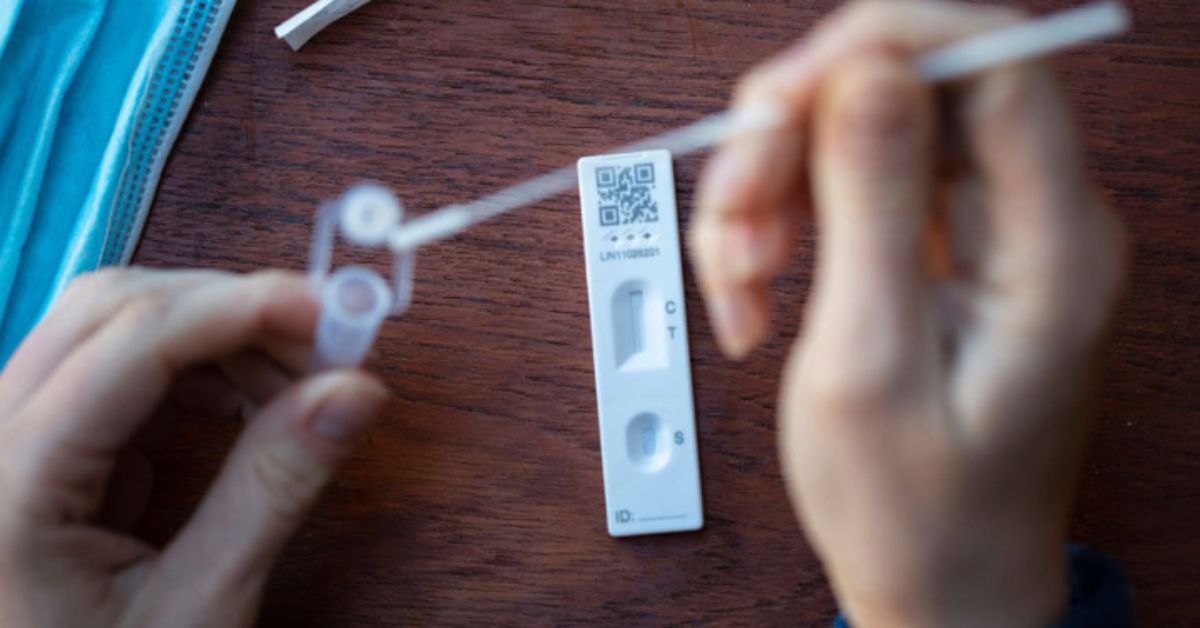
The growing demand for faster and more accessible healthcare solutions has fueled the rise of self-test health kits across global markets. From pharmacy shelves to online platforms, these kits promise quick answers to common health concerns without the need for a doctor’s visit.
self-test health kits are now used to check everything from vitamin levels and iron deficiency to hormone changes and infections, reflecting a shift toward more consumer-driven healthcare decisions.
These products appeal to individuals seeking convenience, privacy, and affordability. Many of them are priced significantly lower than traditional clinical testing, making them accessible to a wider population. However, as their popularity increases, so do questions about their reliability and medical value.
The Growing Popularity of Self-Test Health Kits
The expansion of self-test health kits is closely tied to broader trends in digital health and personal wellness. Consumers today are more informed and proactive about their health, often seeking immediate answers rather than waiting for clinical appointments.
Pharmacies now stock a wide range of testing kits, including those designed for detecting nutritional deficiencies, monitoring glucose levels, and even identifying hormonal shifts. Online marketplaces have further accelerated access, allowing users to purchase and use these kits without any medical consultation.
This convenience has been particularly appealing in regions where access to healthcare services may be limited or delayed. In such cases, self-test health kits provide a quick starting point for understanding potential health issues.
Despite their accessibility, experts caution that the ease of use can sometimes lead to over-reliance. Without proper medical guidance, individuals may misinterpret results or take unnecessary actions based on incomplete information.
What Doctors Say About Self-Test Health Kits
Medical professionals acknowledge that self-test health kits can serve a purpose, but they emphasize that these tools come with limitations. The primary concern is accuracy.
Unlike laboratory tests conducted under controlled conditions, at-home kits rely on user handling, environmental factors, and simplified testing methods. This increases the risk of errors.
Doctors highlight several key issues:
False positives can cause unnecessary anxiety and lead to further testing that may not be needed.
False negatives can provide false reassurance, delaying proper diagnosis and treatment.
Results may vary depending on how the test is performed, including timing, sample collection, and storage conditions.
Another concern is the lack of context. Clinical tests are interpreted alongside medical history, symptoms, and additional diagnostics. In contrast, self-test health kits provide isolated results that may not reflect the full health picture.
Healthcare professionals stress that while these kits can indicate potential issues, they should never be treated as definitive medical conclusions.
When Self-Test Health Kits Can Be Useful
Despite the concerns, there are situations where self-test health kits offer real value. For individuals who face barriers to healthcare access, such as geographic limitations or long waiting times, these kits provide an initial step toward awareness.
They are particularly useful in cases where early detection is important. For example, some tests can highlight potential deficiencies or abnormalities that encourage users to seek professional care sooner.
The benefits include:
Quick results that allow immediate action
Privacy for sensitive health concerns
Lower costs compared to clinical testing
Certain categories of self-test health kits are considered more reliable than others. Tests that have been widely studied and validated, such as those for pregnancy or infectious diseases, tend to have higher accuracy levels.
However, even in these cases, confirmation through laboratory testing is often recommended.
Concerns Around Hormonal Testing
One of the most debated areas in self-test health kits is hormonal testing, particularly those related to menopause and reproductive health.
These kits often measure hormone levels through urine or saliva samples, claiming to provide insights into conditions like perimenopause. However, experts point out that hormone levels fluctuate naturally over time, making single measurements unreliable indicators.
Doctors explain that diagnosing hormonal changes requires a broader evaluation that includes age, symptoms, and medical history. Relying solely on self-test health kits for such conditions can lead to confusion or incorrect assumptions.
As a result, healthcare professionals advise against using these tests as the primary method for diagnosing hormonal issues.
Nutritional Testing and Its Limitations
Another popular category within self-test health kits includes tests for vitamin deficiencies and iron levels. These kits are often marketed as a solution for fatigue, weakness, or general health concerns.
While they can provide a basic indication of nutrient levels, experts caution that they are not diagnostic tools. Laboratory testing remains the standard for accurate measurement.
There are several reasons for this:
Finger-prick samples may not provide enough data for precise analysis
Results can vary based on hydration levels and recent dietary intake
Interpretation requires medical expertise to avoid incorrect conclusions
Doctors recommend that individuals use these tests as a preliminary screening method rather than a final answer. Any abnormal results should be followed up with professional evaluation.
Multi-Condition Testing: Broad but Unclear
Some self-test health kits combine multiple tests into a single package, offering results for various health markers at once. These may include glucose, protein, ketones, and infection indicators.
While this approach seems comprehensive, it also introduces challenges. Testing multiple parameters without proper context can create confusion, especially when results vary across different markers.
Experts note that health conditions are rarely isolated. A single abnormal value does not necessarily indicate a problem unless supported by other clinical findings.
The risk with multi-condition self-test health kits is that users may focus on individual results without understanding the broader implications.
The Role of Commercial Influence
The rapid growth of self-test health kits is also driven by the expanding wellness industry. Companies often market these products as essential tools for maintaining health, encouraging frequent testing.
This raises concerns among healthcare professionals about over-commercialization. Some experts believe that unnecessary testing can lead to increased anxiety and unnecessary spending on supplements or treatments.
There is also limited regulation in certain markets, which means not all self-test health kits meet the same quality standards. This makes it difficult for consumers to distinguish between reliable products and those with questionable accuracy.
Doctors emphasize the importance of informed decision-making when choosing to use these kits.
Understanding the Risks and Benefits
The key to using self-test health kits effectively lies in understanding both their strengths and limitations. They are best viewed as tools for awareness rather than diagnosis.
When used correctly, they can:
Encourage early detection of potential health issues
Prompt individuals to seek medical advice
Provide convenience in monitoring certain conditions
However, misuse can lead to:
Misinterpretation of results
Delayed medical treatment
Unnecessary stress and confusion
Healthcare professionals advise users to approach these kits with caution and to always consider professional consultation when needed.
How to Use Self-Test Health Kits Responsibly
Doctors recommend several guidelines for individuals considering self-test health kits:
Follow instructions carefully to ensure accurate results
Avoid repeated testing without medical advice
Do not rely solely on results for diagnosis
Consult a healthcare provider if symptoms persist
Understanding when to use these kits—and when not to—is essential for making informed health decisions.
The Future of At-Home Testing
As technology continues to advance, the accuracy and reliability of self-test health kits are expected to improve. Innovations in diagnostics and digital health may enhance their role in preventive care.
However, experts believe that these tools will complement—not replace—traditional healthcare systems. Clinical evaluation, professional diagnosis, and personalized treatment will remain central to effective healthcare.
The integration of self-test health kits into broader healthcare frameworks may help bridge gaps in access while maintaining safety and accuracy standards.
Conclusion
The rise of self-test health kits reflects a broader shift toward accessible and personalized healthcare. These tools offer convenience, affordability, and quick insights, making them an attractive option for many individuals.
However, their limitations particularly in terms of accuracy and interpretation mean they should be used with caution. Medical experts agree that while these kits can support early awareness, they cannot replace professional medical evaluation.
Ultimately, the responsible use of self-test health kits lies in understanding their role as a starting point rather than a final answer. For accurate diagnosis and effective treatment, consultation with healthcare professionals remains essential.
For more updates, read the latest news on Digital Chew.